Every hotel opening has a moment where someone realizes the furniture is arriving on schedule, but nobody has actually ordered the towels. That gap is OS&E Operating Supplies and Equipment, and it causes more delayed openings than FF&E does, mostly because it gets treated as an afterthought until it is suddenly urgent.
This guide covers what OS&E actually is, what it includes, who should be managing it, how the procurement process runs, and where hotel openings typically lose weeks they did not plan to lose.
The core problem with OS&E is organizational, not logistical. The items themselves are usually easy to source; towels and glassware are not custom manufactured on a 20-week lead time the way bespoke casegoods are. What makes OS&E hard is that responsibility for it is split across five or six department heads who rarely talk to each other about procurement until someone notices a gap.
What Is OS&E?
OS&E vs FF&E: Quick Recap
If you have not read our FF&E procurement guide, the short version is this: FF&E is what you buy once and depreciate. OS&E is what you buy continuously and expense.
| FF&E | OS&E | |
|---|---|---|
| Examples | Beds, chairs, lamps, desks, minibars | Linens, towels, amenities, glassware, cleaning supplies |
| Budget line | Capital expenditure (CapEx), ~10% of project cost | Operating expenditure (OpEx), ~4 to 5% of project cost |
| Replacement cycle | Years, tied to brand refresh cycles | Weeks to months, continuous reordering |
| Who procures | Developer, designer, or FF&E procurement firm | Hotel operations team, department heads, GM sign-off |
The two processes run in parallel before opening and need to be scheduled together, since OS&E delivery and staging usually happens in the same window as FF&E installation.
What OS&E Actually Includes
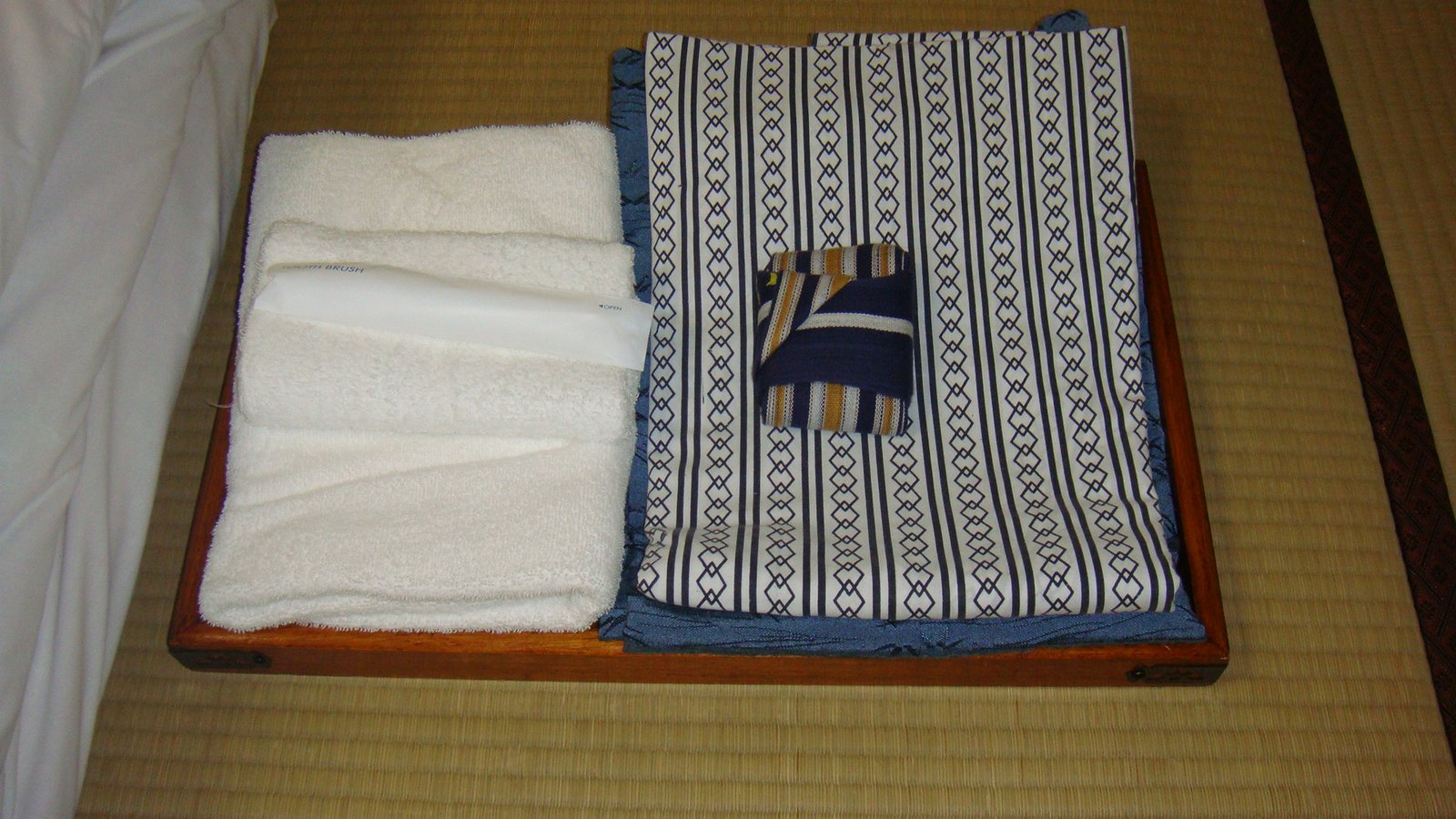
OS&E spans nearly every department in a hotel, which is exactly why it is hard to manage with one spreadsheet owned by one person. It splits naturally into guest-facing items and back-of-house operational items.
The reason OS&E is harder to track than FF&E has less to do with item complexity and more to do with sheer count. A 200-room hotel might carry fewer than 50 distinct FF&E line items across the whole property, but easily 150 to 200 distinct OS&E SKUs once every linen size, amenity type, and piece of chinaware is counted separately. That volume is exactly why a single consolidated list matters more here than almost anywhere else in the opening process.
Guest-Facing OS&E May Include
- Bed linen, towels, bathrobes
- Guest amenities and toiletries
- Glassware, chinaware, flatware
- In-room electronics and accessories
- Decorative but functional items
Back-of-House OS&E May Also Include
- Housekeeping carts and cleaning supplies
- Kitchen equipment and smallwares
- Staff uniforms
- F&B serving equipment
- Office and engineering tools and supplies
Who Manages OS&E Procurement?
Unlike FF&E, which usually has one clear owner, OS&E procurement is split across department heads, which is exactly why master lists tend to fall apart without a single person consolidating them.
| Role | Typical OS&E Responsibility |
|---|---|
| General Manager | Final budget approval, brand standards sign-off |
| Director of Housekeeping | Linens, amenities, cleaning supplies, uniforms |
| Director of F&B | Chinaware, glassware, flatware, kitchen equipment |
| Chief Engineer | Tools, engineering supplies, safety equipment |
| Opening Project Manager | Master list consolidation, par levels, delivery scheduling |
Without one person owning the master list, the same item often gets ordered twice by two departments, while something else gets missed entirely until opening week.
On branded properties, the brand’s Property Improvement Plan (PIP) or opening standards manual often dictates specific OS&E requirements, such as thread count minimums, approved amenity brands, and uniform specifications, that override whatever the local team would otherwise choose. Checking the PIP before sourcing anything avoids ordering a full opening stock that then fails brand inspection.
The OS&E Procurement Process

OS&E procurement is less about custom production and more about consolidation, par-level planning, and timing delivery to match when the hotel can actually receive and store everything.
For a typical hotel opening, OS&E procurement runs on a shorter timeline than FF&E, usually starting 3 to 4 months before opening rather than the 9 to 14 months FF&E needs, since most OS&E items are stock or semi-custom rather than built to order. The compressed timeline is exactly why delays here feel more urgent: there is far less schedule buffer to absorb a late start.
Every department submits its list; one owner merges them into a single master OS&E list to kill duplicate and missed items.
Set opening par stock per item based on room count and occupancy projections, not guesswork.
Cross-check the list against brand-required items and approved vendor lists for branded properties.
Issue quotes to hospitality distributors or direct manufacturers; compare price, MOQ, and lead time.
Confirm quality, branding placement, and finish on key items before placing the full order.
Orders placed in phases, often split so slow-moving items arrive early and perishable-adjacent stock arrives closer to opening.
Goods received, counted against the PO, and staged by department in designated storage areas.
Final handoff to housekeeping, F&B, and engineering so par stock is in place before the first guest arrives.
Reordering OS&E After Opening
Opening par stock is only the first order. Once the hotel is operating, OS&E procurement shifts from a project with a deadline to an ongoing operational function, and the people responsible for it usually change too, from an opening project manager to each department head managing their own reorder cycle.
Reorder frequency varies sharply by category. Linens and amenities, consumed every stay, need weekly or biweekly reordering once occupancy stabilizes. Uniforms and kitchen equipment move far more slowly and might only need reordering quarterly or on damage. Getting this cadence wrong costs money in both directions: too often ties up cash in excess inventory, too rarely risks running out mid-stay.
| Category | Typical Reorder Cadence |
|---|---|
| Guest amenities and toiletries | Weekly to biweekly |
| Bed linen and towels | As needed, replacement-driven |
| Cleaning and housekeeping supplies | Weekly to monthly |
| Chinaware, glassware, flatware | Monthly, breakage-driven |
| Uniforms | Quarterly or on damage |
Most hotels set reorder points in their property management or inventory system once real consumption data exists, usually after the first 60 to 90 days of operation. Before that, reorders are based on the opening projections rather than actuals, so building in a buffer for the first few cycles is worth the extra carrying cost.
How to Build a Master OS&E List That Actually Works
The master list is the most important document in the OS&E process, and also the one most likely to be cobbled together from a dozen department spreadsheets the week before opening. Building it properly from the start saves more time than any other single step in the whole procurement chain.
Start with a template structured by department and space, not by supplier or category. Each row should carry: item name, room type or area, unit of measure, opening par quantity, reorder point, approved supplier, unit cost, and lead time. Every department head fills in their own section, and one person, usually the opening project manager or the general manager, holds the master copy and is the only one who can change quantities or approve new lines.
Version-control matters more than most people expect. A master list that gets emailed around as attachments tends to drift: housekeeping edits their copy, F&B edits theirs, and by the time the orders go out nobody is sure which version is current. A single shared document with edit history, even a simple Google Sheet, is more reliable than the most beautifully formatted Excel file that lives in three inboxes at once.
Review the master list as a complete document at least once before any purchase orders go out. Cross-check quantities against the actual room count and outlet capacity, not the figures that were copied from another property. A 200-room hotel and a 120-room hotel need different par levels even if they share the same brand standard, and nobody usually catches that discrepancy until the first reorder cycle runs short.
OS&E for Renovations vs. New-Build Hotels
A renovation changes the OS&E procurement problem in a way new-build projects do not have to deal with: the hotel is still operating, or reopening in phases, so supply has to be coordinated against live occupancy rather than a single opening date.
On a phased renovation, OS&E for renovated floors needs to arrive and stage before those floors come back online, while the untouched floors keep running on existing stock. This means running two par-level systems in parallel for a period: old stock for live floors and new stock staged for renovated ones, until the renovation is complete and everything consolidates onto one standard.
Brand-driven renovations add another layer: a Property Improvement Plan (PIP) often specifies exact OS&E standards, thread count, amenity brand, and uniform specifications that must be met property-wide once the renovation is signed off, not just on the renovated floors. Ordering enough of the new standard to retrofit unrenovated floors at the same time, rather than running two different guest experiences side by side, is usually the cleaner approach even though it costs more upfront.
Budgeting for OS&E: Par Stock and Opening Inventory
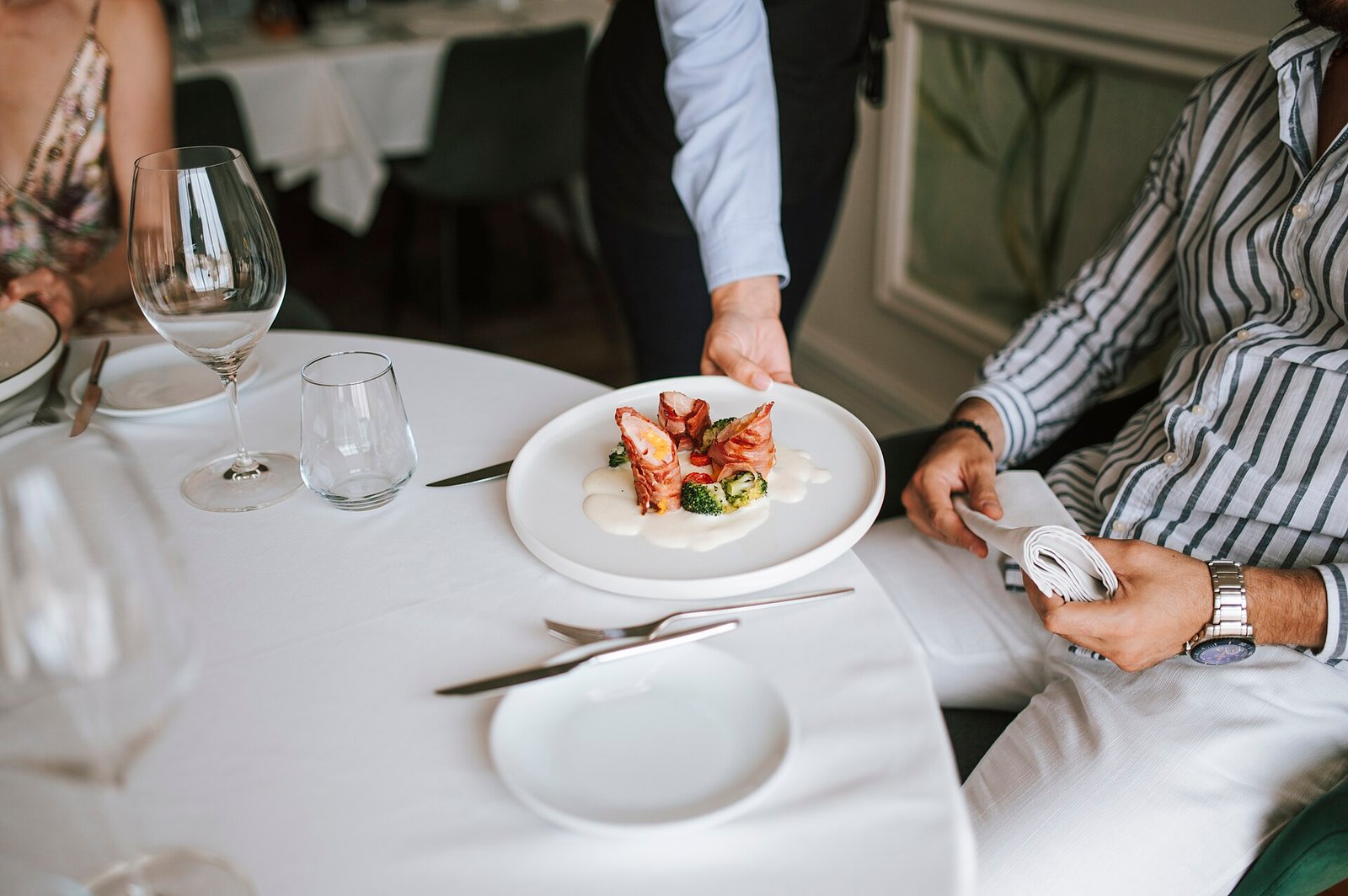
OS&E budget is usually expressed as a percentage of total project cost, with the split varying by category. These are general planning ranges, not quotes.
| OS&E Category | Approx. Share of OS&E Budget |
|---|---|
| Guestroom linens and amenities | 30 to 35% |
| F&B chinaware, glassware, flatware | 20 to 25% |
| Housekeeping and cleaning supplies | 15 to 20% |
| Uniforms | 10 to 12% |
| Kitchen smallwares and equipment | 10 to 15% |
Opening par stock typically covers 2 to 3 full inventory cycles, since the first reorder after opening often takes longer than a normal operating reorder while new supplier relationships settle in.
These percentages shift with property type. A full-service hotel with multiple restaurants pushes F&B chinaware and glassware well above 25 percent of OS&E spend, while a limited-service, breakfast-only property spends almost nothing there and shifts more weight to guestroom linens and amenities. Running the budget split against the actual outlet count, rather than the generic percentages above, avoids both over-ordering kitchen equipment nobody needs and under-ordering the amenities every room needs.
OS&E Supplier Types
OS&E sourcing options differ from FF&E in one key way: speed and reorder reliability usually matter more than rock-bottom unit price, since you will be reordering continuously.
| Supplier Type | Best For | Trade-off |
|---|---|---|
| Hospitality distributor | Fast reorders, broad catalog, one invoice | Higher per-unit cost than direct |
| Direct manufacturer | Large volume, custom branding, lower unit cost | Longer lead time, higher MOQ |
| Wholesale / local supplier | Urgent gaps, small top-up orders | Limited selection, least consistent quality |
Most hotels end up using a hybrid: a distributor for fast-moving consumables and reorders, and a direct manufacturer for high-volume branded items like linens and amenities where unit cost matters at scale.
Minimum order quantities are the practical constraint that usually decides the split. A direct manufacturer’s MOQ on custom-branded amenities might be 5,000 units, which makes sense for a 300-room property’s annual supply but is wasteful for a 40-room boutique property that will take years to work through that stock. Smaller properties typically lean more heavily on distributors even at a higher unit cost, simply because the MOQ math on direct manufacturing does not work at their scale.
Shelf life matters too, in ways it does not for FF&E. Branded amenities with a printed expiration or batch date, and certain cleaning chemicals, can expire before a slow-moving property works through a large direct-manufactured order. Factoring expected consumption rate into the order size, not just the best unit price at volume, avoids writing off expired stock a year into operation.
Common OS&E Procurement Mistakes at Hotel Opening
Most OS&E problems at opening trace back to a handful of repeated mistakes, not bad luck.
Each department keeps its own spreadsheet. Items get ordered twice or missed entirely with nobody catching it until opening week.
Par stock copied from a different property without adjusting for this hotel’s actual room count and occupancy plan.
Lead times underestimated, so the first OS&E delivery lands after rooms are supposed to be guest-ready.
Deliveries arrive with nowhere designated to store them, so items sit in hallways instead of department storage.
Opening stock purchased before confirming PIP requirements, discovered to fall short only at brand inspection.
Opening par stock runs out because nobody configured reorder thresholds in the property management system before go-live.
Frequently Asked Questions
What does OS&E stand for?
OS&E stands for Operating Supplies and Equipment, the consumable and operational items a hotel needs to run, as opposed to furniture and fixtures.
What is the difference between OS&E and FF&E?
FF&E is capital expenditure you buy once and depreciate. OS&E is operating expenditure you buy continuously and reorder as it is used.
How much does OS&E cost for a hotel?
OS&E typically runs 4 to 5 percent of total project cost, compared with roughly 10 percent for FF&E.
Who is responsible for OS&E procurement?
Usually a split between department heads (housekeeping, F&B, engineering), with one opening project manager consolidating the master list and getting GM sign-off.
When should OS&E ordering start before opening?
At least 3 to 4 months before opening for most categories, earlier for branded or customized items with longer lead times.
What is par stock in OS&E procurement?
The quantity of each item kept on hand to cover normal operations between reorders, usually set to cover 2 to 3 inventory cycles at opening.
How often should OS&E be reordered after a hotel opens?
It varies by category. Fast-moving items like amenities and linens need weekly or biweekly reordering, while uniforms and kitchen equipment might only need quarterly reordering or replacement on damage.
Does a hotel renovation need a separate OS&E plan?
Yes, especially on a phased renovation where some floors stay operational while others are renovated. Two par-level systems often need to run in parallel until the renovation is complete.
What happens if OS&E does not meet brand PIP standards?
A branded property failing its brand inspection on OS&E standards, such as thread count or approved amenity brands, can delay the property’s brand affiliation and public listing until it is corrected.
The Bottom Line
OS&E does not get the same attention FF&E does during planning, but it causes just as many opening delays when it is treated as an afterthought. One consolidated master list, realistic par levels, and ordering that starts months before opening, not weeks, is what separates a smooth opening from a scramble.
YM Furniture works alongside hotel developers on FF&E programs from specification through installation. See our FF&E procurement guide for how the two processes run in parallel before opening.
Last Updated: October 31, 2026