
Filter
Showing all 8 resultsSorted by latest
-
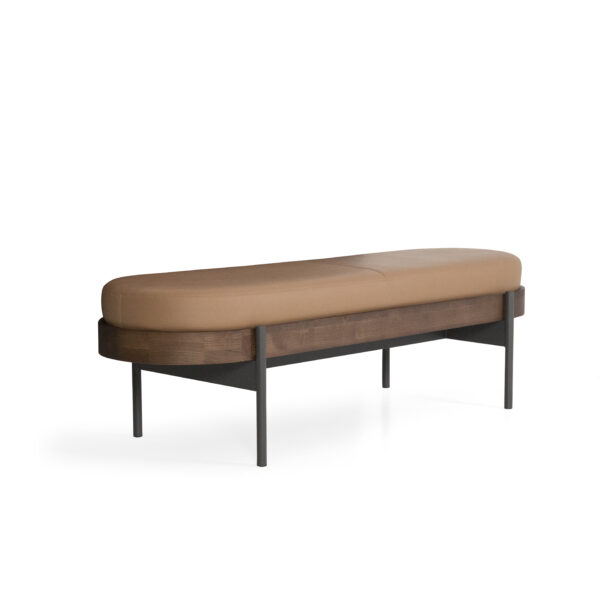
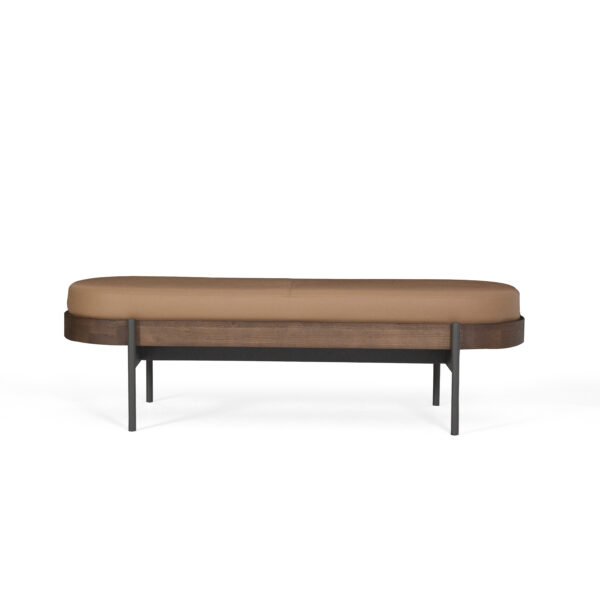
-
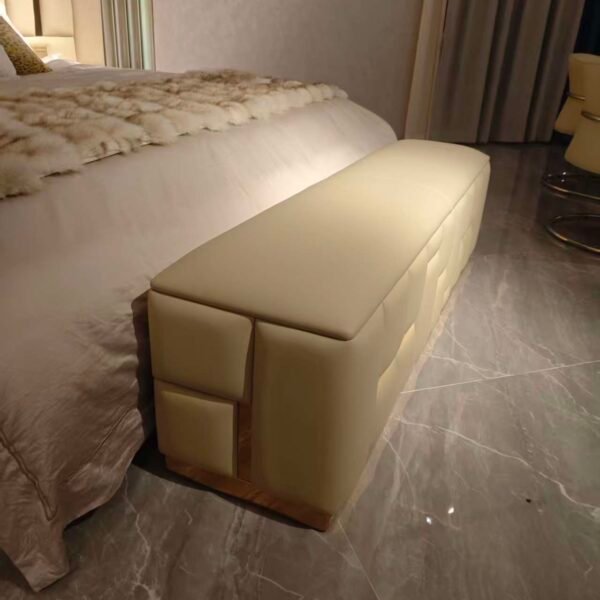
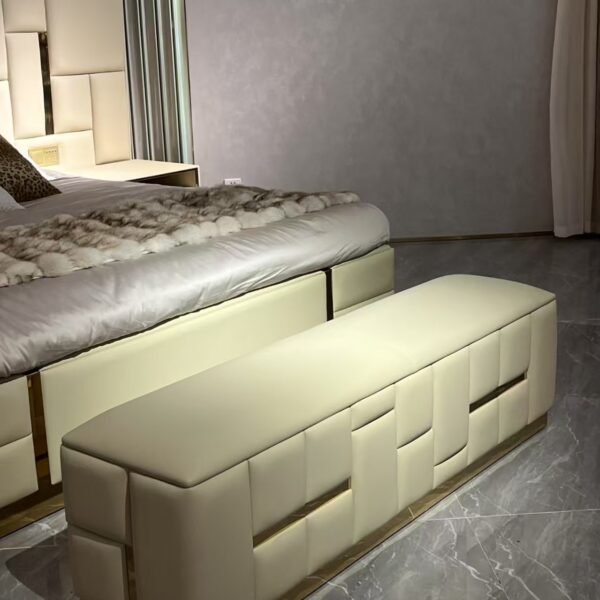
Babylon Bedend Stool LED Lighting – Architectural Luxury Bench
-
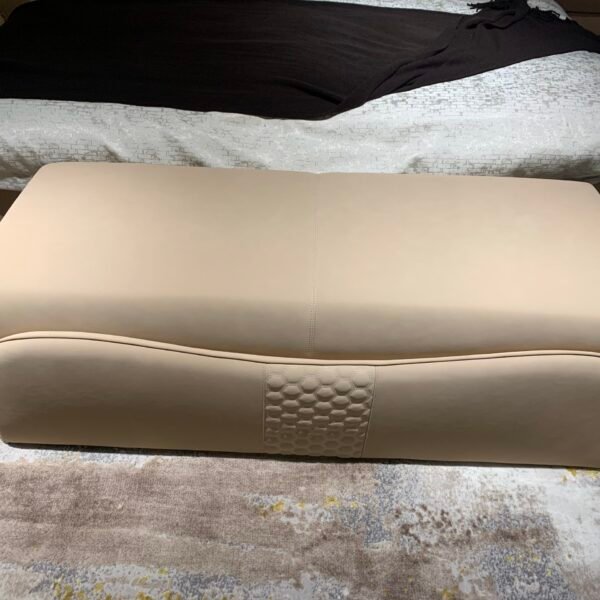
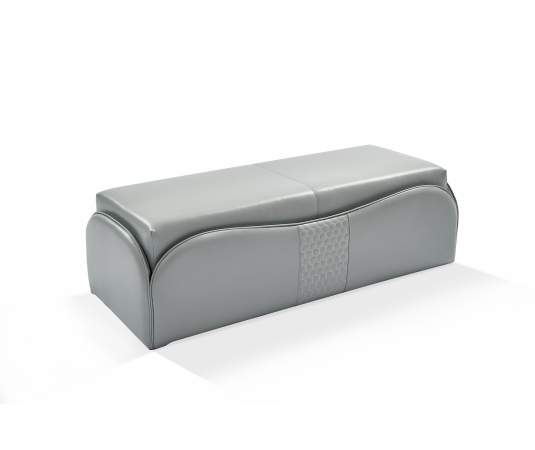
Canterbury Bedend Bench Multi-Material – Luxury Bedroom Seating
-
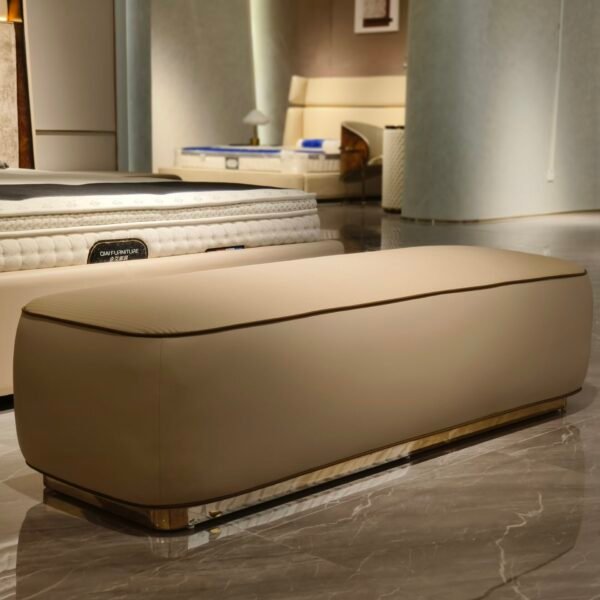
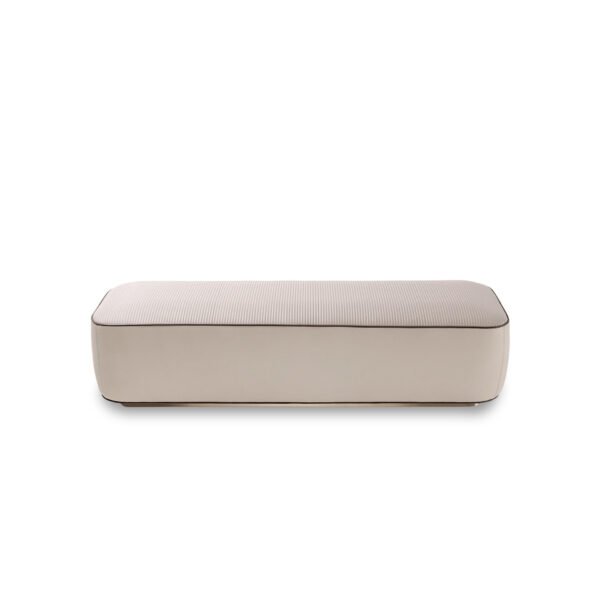
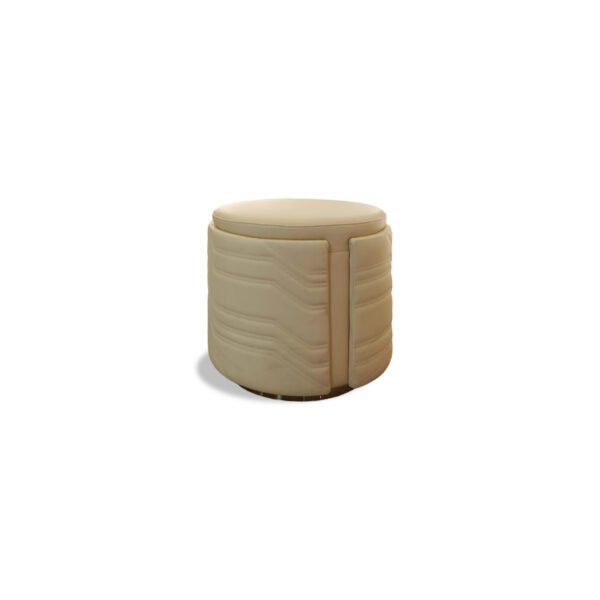
Genuine Leather Bedend Luxury Stool – Luxury Bedroom Bench Design
-
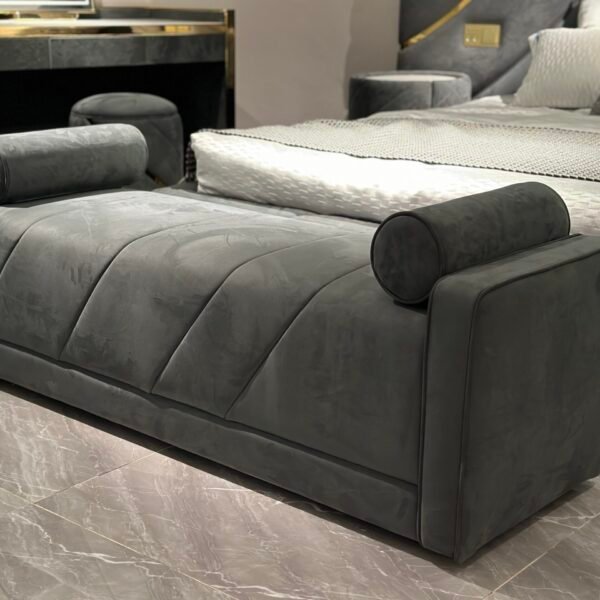
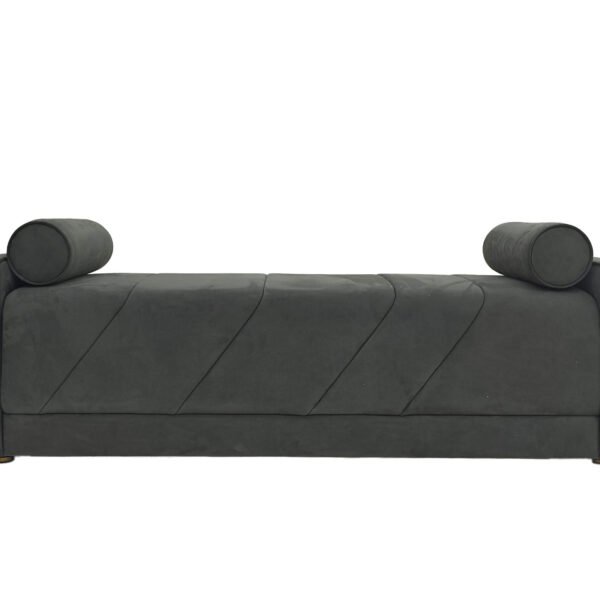
Bedend Stool with Bolster Pillows – Premium Bedroom Lounge Bench
-
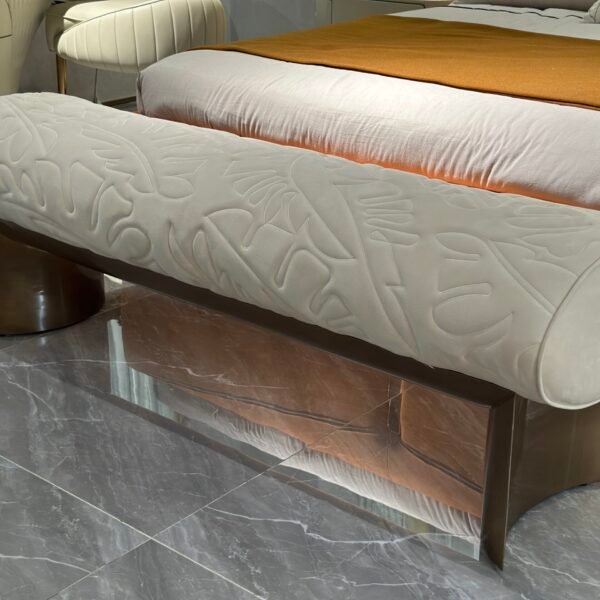
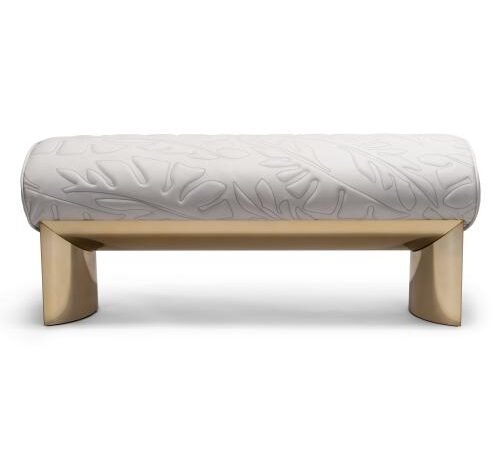
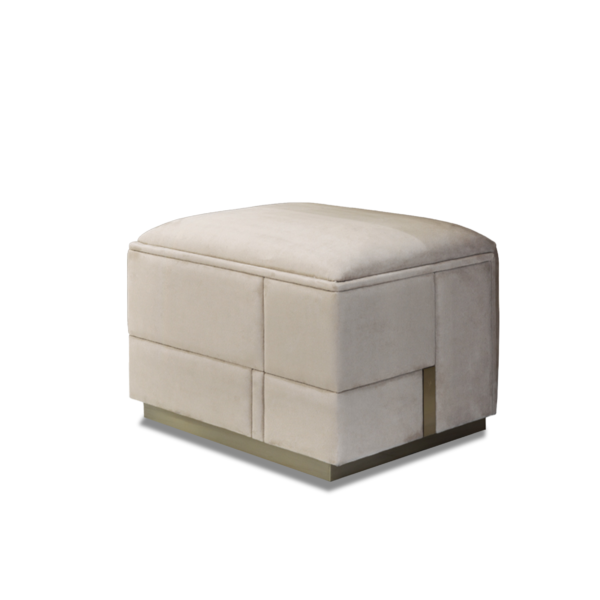
Bedend Stool with Brushed Gold Finish – Luxury Bedroom Bench
-
-
Stools – Versatile, Stylish and the Hardest Working Seat in Your Home
The Stool Reimagined – Far More Than an Extra Seat
There was a time when the stool was considered a backup plan, something brought out when there weren’t enough chairs to go around. That perception has changed completely. Today, the stool is one of the most intentional, most considered, and most design-forward pieces of seating available, equally at home in a sleek contemporary kitchen, a relaxed living room, a carefully curated home bar, or a beautifully dressed bedroom vanity. The modern stool has earned its place not as an afterthought but as a first choice, and this collection reflects that shift entirely.
From bar stools that define the kitchen island experience to counter stools that make casual dining feel genuinely special, every piece here has been selected for its combination of style, functionality, and lasting quality. Whether someone is furnishing a compact apartment or a generously proportioned family home, there’s a stool in this collection that will work harder, look better, and last longer than they might ever have expected.
Why Stools Have Become One of the Most Versatile Pieces in Modern Interiors
The rise of the stool as a design staple is no coincidence. It reflects broader shifts in the way people live, cook, eat, and socialise at home. Open-plan living has dissolved the boundaries between kitchen, dining area, and living room, creating fluid spaces that need seating solutions capable of serving multiple functions without visual disruption. The stool answers that need better than almost any other piece of furniture.
Its compact footprint makes it ideal for spaces where a full chair would feel too heavy or too permanent. Its height options, from low footstool to extra-tall stools suited to the highest counters, mean it can be configured to suit virtually any surface or situation. And its sheer range of designs, materials, and styles means it can slot into almost any interior without looking out of place.
Open-concept living in particular has driven demand for bar stools and counter stools that are as beautiful as they are practical. When the kitchen is visible from the living room and the dining area flows seamlessly into both, every piece of seating needs to carry its aesthetic weight. The stool does exactly that, providing comfortable seating that contributes to the overall look of the space rather than simply occupying it.
How to Use Stools Beyond the Obvious in Your Home
Most people’s first thought when considering a stool is the kitchen island or breakfast bar, and that’s entirely understandable. But the stool has far more to offer than its most obvious application. With a little creative thinking, it can serve a key role in almost every room of the home.
In the living room, a low upholstered stool or pouf serves as a footrest beside a sofa, an occasional side table, or even extra seating when guests arrive. In the bedroom, a stool at the vanity provides a dedicated dressing seat with considerably more elegance than a standard chair. In the home office, a backless stool encourages better posture and gentle movement throughout the working day. Even in hallways and entryways, a small stool provides a practical surface for sitting while putting on shoes, adding both function and warmth to a transitional space.
The flexibility of the stool is arguably its greatest quality. It moves easily, stores compactly, and adapts to new situations without effort, making it one of the few pieces of furniture that genuinely earns its keep in every room it inhabits.
Discover Our Stool Collection by Type
Every type of stool serves a distinct purpose, and understanding those differences is the key to choosing the right piece for each space and situation. Here’s a closer look at what each category offers.
Bar Stools – Elevate Your Kitchen Island or Home Bar to Another Level
The bar stool is the undisputed star of the kitchen island, and for good reason. It transforms what might otherwise be a purely functional surface into a genuine social hub, a place where meals are shared, conversations unfold, and everyday moments become memorable ones. A well-chosen bar stool makes the kitchen island feel like the heart of the home, which in many households it truly is.
Bar stools typically measure between 28 and 32 inches in seat height, making them compatible with standard bar-height surfaces and island heights of around 40 to 42 inches. Swivel bar stools add an additional layer of functionality, allowing the sitter to turn freely without having to push the stool back from the surface, a particularly useful feature in busy kitchens where movement and flexibility are prized.
The range of bar stool designs available in this collection spans everything from sleek minimalist metal frames to richly upholstered statement pieces, ensuring that the aesthetic needs of every kitchen and every style preference are fully catered for. Whether the goal is a streamlined look that disappears into the kitchen cabinetry or a bold contrast that makes the seating area a feature in its own right, the right bar stool is here.
Counter Stools – The Perfect Height for Casual Dining Done Beautifully
Counter stools occupy the sweet spot between the low chair and the tall bar stool, and they’re perfectly calibrated for the standard kitchen counter height of 34 to 36 inches. For those with a kitchen counter or island at this height, counter stools are the natural choice, offering a comfortable place to sit for casual meals, morning coffee, and the kind of relaxed, informal socialising that defines modern kitchen life.
Wood counter stools are among the most popular options in this category, bringing natural warmth and organic character to the kitchen or dining area. Their warmth and versatility mean they work across a remarkably wide range of interior styles, from rustic farmhouse to contemporary Scandi, and they age beautifully with everyday use. Counter stools bar configurations that combine the proportions of a counter stool with the swivel functionality of a bar stool offer the best of both worlds for those who value flexibility above all.
Footstools and Poufs – Rest, Prop and Relax in Pure Comfort
The footstool and pouf occupy a different position in the stool family, one defined by comfort and relaxation rather than function at a surface. Placed beside a sofa or armchair, a well-chosen footstool transforms a good seating arrangement into a genuinely restorative one, providing a surface on which to rest tired legs, prop up a laptop, or simply extend the sense of ease that good living room seating should always deliver.
Upholstered poufs in particular have become one of the most popular seating accessories in modern interiors, valued for their flexibility as much as their comfort. They can be moved effortlessly from room to room, stacked when not in use, and styled with throws and cushions to contribute to the overall look of the living space. In a home where space is at a premium, the pouf is one of the most practical investments available.
Backless Stools – Clean, Compact and Endlessly Adaptable
The backless stool is the purist’s choice, a piece reduced to its essential elements and all the more elegant for it. Without a back or arms, the backless stool has a visual lightness that makes it ideal for spaces where a fully framed chair would feel too heavy or too dominant. It tucks neatly under a counter or island when not in use, freeing up floor space and maintaining the clean, uncluttered look that contemporary interiors demand.
Backless stools are also the most compact seating option for busy kitchens and dining areas, where the ability to push seats fully under the surface when clearing up or moving around makes a genuine practical difference. Their streamlined look suits minimalist interiors particularly well, and their simplicity means they can be introduced into almost any existing design scheme without disruption.
Swivel Stools – Functionality That Never Sacrifices Style
The swivel stool adds a dimension of movement to the seating experience that fixed stools simply can’t offer. By rotating freely on a central mechanism, the swivel stool allows the sitter to turn toward the kitchen, toward a conversation partner, or toward the television without having to reposition the stool itself. In open-concept living spaces where the seating area needs to work in multiple directions at once, this functionality is genuinely valuable.
Swivel bar stools are among the most popular configurations in this category, combining the height of a bar stool with the rotational freedom of a swivel mechanism. They’re a particularly strong choice for home bar and entertainment areas, where the social dynamic of the space means that people are frequently turning to engage with different conversations and activities throughout the evening.
Nesting Stools – Clever Design for Homes That Work Harder
The nesting stool is one of the most intelligently designed pieces in this collection, offering multiple seats in the footprint of one by stacking or sliding together when not in use. For those who need occasional extra seating without the permanent spatial commitment of multiple full chairs, the nesting stool set is an elegant solution that balances flexibility with considered design.
Nesting stools work particularly well in dining rooms, living rooms, and home offices where space is limited but the need for adaptable seating is real. When guests arrive, they can be separated and distributed around the space in moments. When the occasion passes, they nest back together into a compact, visually pleasing unit that takes up minimal space and adds a design detail of its own.
Shop Stools by Material and Finish
The material of a stool determines not just its appearance but its durability, its maintenance requirements, and how it will age over time. Here’s a guide to the key material options available in this collection.
Upholstered Stools – Cushioned Comfort Wrapped in Beautiful Fabric
The upholstered stool brings a layer of tactile comfort to the seating experience that hard-seat alternatives simply can’t match. Whether wrapped in velvet, boucle, linen, or leather, an upholstered stool adds softness and visual warmth to any space it occupies, making it a natural choice for living rooms, bedrooms, and any area where comfort is the primary priority.
Upholstered counter stools and bar stools are increasingly popular in contemporary kitchen design, where the desire for a more relaxed, lounge-like dining area aesthetic has driven demand for seating that feels as comfortable as it looks. A padded seat with a generous depth makes extended periods of sitting genuinely pleasurable, transforming the kitchen island from a functional surface into a true social space.
The wide variety of fabric options available across the upholstered stool range means there’s a colour, texture, and weight of fabric to suit every interior style and every practical requirement.
Solid Wood Stools – Timeless Craftsmanship That Grounds Any Space
Solid wood is one of the most enduring materials in furniture design, and the solid wood stool reflects all of its best qualities: warmth, character, durability, and the kind of natural beauty that improves with age and use. A wood counter stool or bar stool in oak, walnut, ash, or pine brings an organic grounding to the kitchen or dining area that manufactured materials simply can’t replicate.
Wood stools are also remarkably versatile in terms of style. Their natural tones work equally well in rustic, traditional, contemporary, and Scandi-influenced interiors, making them one of the safest and most rewarding material choices for those furnishing a space that needs to balance multiple aesthetic influences. The warmth of wood seating has a particular appeal in kitchens and dining rooms, where the area is intended to feel welcoming and genuinely lived-in.
Metal Frame Stools – Industrial Strength With a Refined Aesthetic
The metal frame stool brings a structural precision and visual clarity to the seating category that softer materials can’t quite achieve. Whether in brushed steel, powder-coated black, or polished brass, a metal frame stool communicates confidence and considered design, making it a natural choice for industrial, contemporary, and loft-style interiors where hard materials and clean lines are central to the aesthetic.
Metal frame stools are also among the most durable options available, resistant to the everyday wear and knocks that busy kitchens and high-traffic dining areas inevitably generate. Their support structures are engineered for longevity, and their finishes, particularly powder-coated options, maintain their appearance well across years of daily use.
Footrests on metal frame bar stools and counter stools add an important practical dimension, providing a comfortable resting point for the feet that makes extended periods of sitting considerably more comfortable. A well-positioned footrest is one of the details that separates a truly well-designed stool from one that looks good but falls short in everyday use.
Leather and Faux Leather Stools – Sleek, Durable and Effortlessly Sophisticated
Leather is one of the most sophisticated materials available for stool upholstery, and its application to bar stools, counter stools, and footstools creates pieces of genuine luxury and lasting appeal. A leather stool develops a beautiful patina with age and use, acquiring a character and richness that only deepens over time. For those seeking a stool that will genuinely improve with the years, leather is one of the finest choices available.
Faux leather offers a closely related aesthetic with additional practical benefits, including greater resistance to moisture, easier cleaning, and a more accessible price point. In busy kitchens and home bars where spills are an occupational hazard, faux leather seating provides the look and feel of luxury with the practicality that real-world use demands.
Rattan and Natural Fibre Stools – Relaxed Texture for Organic Interiors
The rattan stool and its natural fibre relatives bring a textural richness and organic warmth to the seating category that manufactured materials simply can’t replicate. Rattan’s woven structure creates a surface of genuine visual interest, and its natural tone works beautifully in coastal, bohemian, and nature-inspired interiors where the goal is a space that feels as relaxed and organic as possible.
Natural fibre stools are also lightweight and easy to move, making them ideal for spaces where flexibility is valued and the stool is likely to be relocated frequently. Their relatively compact design suits smaller rooms and tighter areas, and their natural palette means they can be introduced into almost any existing colour scheme without visual conflict.
Marble and Stone Top Stools – A Statement Piece Hiding in Plain Sight
The marble top stool is one of the most unexpected and most rewarding options in this collection. Combining the structural simplicity of a stool base with the extraordinary surface beauty of natural marble or stone, these pieces occupy a unique position in the design landscape, simultaneously understated in form and deeply luxurious in material.
A marble top stool used as a side table or occasional surface in the living room or bedroom creates a moment of material luxury that elevates the entire space around it. The natural veining of each marble top is unique, ensuring that every piece is genuinely one of a kind and that the stool contributes a level of individual character that manufactured surfaces can never quite achieve.
Find the Right Stool for Every Room in Your Home
The stool is one of the few pieces of furniture that genuinely belongs in every room of the home. Here’s how to find the perfect option for each specific context.
Kitchen and Dining Stools – Where Meals, Mornings and Conversations Happen
The kitchen and dining area are where the stool does some of its most important work. Whether positioned at a kitchen island, a breakfast bar, or a dining table of standard height, the right stool transforms these spaces from purely functional zones into genuine gathering places where meals, morning routines, and relaxed conversations all feel better for the quality of the seating around them.
Choosing stools for the kitchen involves balancing several practical considerations alongside the aesthetic ones. Height is paramount, and the relationship between stool seat height and counter or island height must be carefully calibrated to ensure comfortable seating for everyone who will use the space. Footrests are an important comfort consideration, particularly for children or shorter adults for whom a high stool without a footrest can become uncomfortable quickly. And material choices should account for the reality of kitchen life, where spills, splashes, and everyday contact with cabinetry and surfaces are unavoidable.
Living Room Footstools – The Finishing Touch Your Sofa Has Been Waiting For
A footstool in the living room is one of those additions that, once experienced, becomes impossible to imagine living without. It transforms good seating into exceptional seating, providing a surface on which to rest, a perch for guests, and a design detail that completes the composition of the room in a way that nothing else quite can.
The choice of footstool for a living room is primarily guided by comfort and aesthetic fit. An upholstered ottoman in a fabric that complements the sofa creates a cohesive, considered look. A leather cube adds a more structured, contemporary edge. A rattan pouf introduces natural texture and a relaxed quality that suits casual, organic interior schemes. Whatever the style of the living room, there’s a footstool here that will make it feel more complete.
Lighting choices in the living room interact with the footstool in ways worth considering, particularly when the stool is positioned as a central element of the seating arrangement. The right lighting at the right height makes the footstool feel like a designed element of the space rather than a practical addition.
Bedroom Stools and Vanity Seats – Function and Beauty in Equal Measure
A stool at the bedroom vanity is one of the most elegant functional pieces in any well-dressed bedroom. It provides a dedicated, comfortable seat for the morning and evening routines that mark the beginning and end of each day, and it adds a layer of considered design to the bedroom that a standard chair rarely achieves.
Vanity stools in this collection range from slim, backless options in polished metal or wood to generously upholstered seats in velvet or boucle that make the dressing table experience feel genuinely luxurious. The height of the vanity stool should align with the height of the dressing table surface, ensuring that the sitter can work comfortably without straining.
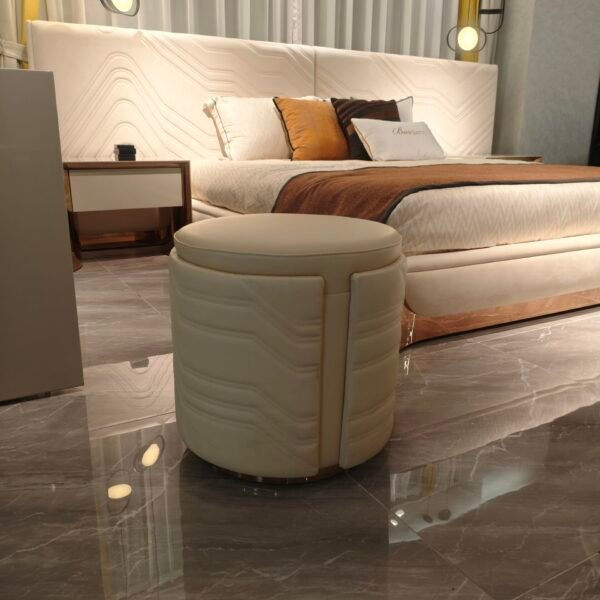
A stool at the foot of the bed serves a different purpose, providing a surface for laying out clothes, sitting while dressing, and adding visual weight to the foot of the bed that balances the composition of the room. An upholstered stool in a fabric that complements the bedding and surrounding design scheme creates a cohesive, considered finish to the bedroom that feels genuinely complete.
Home Bar and Entertainment Stools – Set the Scene for Every Occasion
The home bar is one of the most social spaces in the modern home, and the stools that furnish it play a central role in shaping the experience of everyone who gathers there. The right bar stool makes guests feel welcomed and comfortable, creates a relaxed, convivial atmosphere, and contributes to the overall aesthetic of the entertainment area in ways that extend well beyond their functional purpose.
Swivel bar stools are particularly well suited to home bar settings, where the social dynamic of the space means that people are frequently turning to engage with different conversations, activities, and areas of the room. Their rotational functionality makes the seating experience feel more natural and more connected to the broader social energy of the space.
Bar chairs in premium materials, whether leather, velvet, or polished metal, elevate the home bar aesthetic considerably, signalling that the space has been thoughtfully designed rather than simply assembled. These are the stools that make guests feel as though they’re somewhere special, and that transform an ordinary evening at home into something genuinely memorable.
Home Office Stools – A Fresh Alternative to the Traditional Office Chair
The home office stool is a relatively recent addition to the furniture landscape, born from a growing understanding of the benefits of active seating for those who spend long hours at a desk. Unlike a conventional office chair, a stool encourages subtle postural movement throughout the day, engaging the core muscles and reducing the fatigue that comes from static, supported sitting.
Backless stools at desk height are the most common configuration for home office use, providing a firm, supportive seat that keeps the sitter upright and alert without the visual bulk of a traditional office chair. Their compact design suits smaller home office spaces particularly well, and their clean aesthetic means they can transition easily between the office and other rooms of the home when needed.
Choosing the Right Stool Without Getting It Wrong
With so many options available, selecting the right stool for a specific space and purpose requires a little knowledge and careful consideration. Here’s what to think through before making a decision.
How to Get the Height Right Every Single Time
Height is the single most important practical consideration when choosing a stool, and getting it wrong creates a seating experience that no amount of good design can rescue. The fundamental principle is simple: there should be approximately 9 to 12 inches of clearance between the stool seat and the underside of the surface it accompanies. This space allows the sitter to sit comfortably with their legs at a natural angle, with enough room to move freely without feeling cramped.
For a standard kitchen counter height of 34 to 36 inches, a counter stool with a seat height of 24 to 26 inches is the right choice. For a bar height surface of 40 to 42 inches, a bar stool with a seat height of 28 to 30 inches is appropriate. Extra-tall stools with seat heights of 32 to 34 inches suit the tallest island heights and home bar surfaces, providing comfortable seating at surfaces that standard stools can’t reach.
The space measure from floor to the underside of the counter or table should always be confirmed before purchasing, as actual heights can vary considerably from the stated standard, particularly in older kitchens or custom cabinetry installations.
Upholstered vs Solid Seat – Which One Actually Suits Your Lifestyle?
The choice between an upholstered and a solid seat comes down to a balance of comfort, practicality, and aesthetic preference. Upholstered seats offer greater immediate comfort for extended sitting, making them the better choice for dining rooms and home bars where people are likely to sit for longer periods. Solid seats in wood or metal are easier to clean, more resistant to staining, and better suited to the practical demands of busy kitchens where spills and splashes are a regular occurrence.
For those who want the comfort of upholstery with the practicality of easy cleaning, a stool with a removable or replaceable cushion offers an excellent middle ground. The seat can be wiped clean when needed, and the cushion can be replaced if it becomes worn or stained, extending the life of the stool considerably.
Kindle lovers and home readers who spend long periods perched at a counter or island will almost certainly find that an upholstered seat makes the experience considerably more comfortable, while those who use their stools primarily for quick meals and brief interactions may find that a solid seat serves their needs perfectly well.
How Many Stools Do You Need and How Far Apart Should They Sit?
The number of stools needed for a kitchen island or breakfast bar depends on the length of the surface and the amount of space allocated to each sitter. As a general rule, each stool should have between 26 and 30 inches of surface width to ensure that sitters have enough room to sit comfortably without feeling crowded. For a kitchen island of 72 inches, this calculation yields space for approximately two to three stools depending on their width and the desired level of comfort.
The gap between stools is equally important. Allowing at least 6 inches between adjacent stools prevents the seating area from feeling cramped and gives each sitter enough room to get on and off their stool without disturbing their neighbour. For swivel bar stools, a slightly larger gap of 8 to 10 inches is advisable to accommodate the rotational movement of the seat without conflict.
Searches bar stools by measurement rather than by style is a reliable approach for those working with a specific surface length, ensuring that the practical requirements are met before aesthetic preferences are considered.
Mixing Stool Styles With Your Existing Furniture and Decor
Mixing stool styles with existing furniture is one of the most effective ways to create an interior that feels personal and considered rather than catalogue-perfect. The key is finding the common thread that ties different designs together into a coherent whole, whether that’s a shared material, a consistent colour palette, or a unified height that maintains the visual rhythm of the space.
A set of wood counter stools paired with a wood dining table creates an obvious and deeply satisfying material cohesion. A bar stool in brushed brass paired with brass lighting fixtures overhead creates a tonal connection that feels designed and intentional. Even a set of stools in a bold upholstery colour, chosen to echo an accent colour elsewhere in the room, can bring a space together with a confidence that more cautious choices rarely achieve.
The role of the stool in the wider design scheme should always be considered before a final decision is made. Is it intended to blend quietly into the kitchen or dining area, or to serve as a deliberate statement of style and personality? Both approaches are entirely valid, but they lead to very different choices, and clarity on this question from the outset makes the selection process considerably more straightforward.
Frequently Asked Questions About Stools
What Is the Difference Between a Bar Stool and a Counter Stool?
The primary difference between a bar stool and a counter stool is height. Counter stools are designed for surfaces of 34 to 36 inches, which corresponds to the standard kitchen counter height found in most kitchens and dining areas. Their seat height typically falls between 24 and 26 inches, providing the 9 to 12 inch clearance beneath the counter that makes for comfortable seating.
Bar stools are taller, designed for surfaces of 40 to 42 inches such as kitchen islands, home bars, and raised counter surfaces. Their seat height falls between 28 and 30 inches, maintaining the same comfortable clearance at a greater overall height. Extra-tall stools with seat heights of 32 to 34 inches cater for the tallest surfaces, ensuring that comfortable seating is available at every island height and counter configuration.
Understanding this distinction before purchasing is essential, as a bar stool used at a standard kitchen counter will sit too high and feel uncomfortable, while a counter stool used at a bar-height surface will leave the sitter too low for easy, comfortable use of the surface above.
How Do I Measure the Right Stool Height for My Kitchen Island?
Measuring for the right stool height is straightforward. Using a tape measure, measure from the floor to the underside of the kitchen island or counter surface. This measurement, combined with the 9 to 12 inch clearance rule, gives the ideal seat height range for any stool in that space.
For example, a kitchen island with an underside height of 38 inches calls for a stool with a seat height of 26 to 29 inches. A bar height surface with an underside height of 40 inches calls for a stool with a seat height of 28 to 31 inches. Always measure the underside of the surface rather than the top, as the thickness of the counter top can add several inches to the overall height and throw off the calculation if not accounted for.
It’s also worth considering the height of the people who will use the stools most frequently. Taller individuals may be comfortable with slightly less clearance, while shorter individuals and children will benefit from a stool with a footrest that allows their feet to rest comfortably rather than dangling above the floor.
Are Backless Stools Comfortable Enough for Everyday Use?
Backless stools are comfortable enough for everyday use in most contexts, provided the seat itself is well designed and appropriately proportioned. The key factors are seat depth, seat width, and the presence or absence of a footrest. A backless stool with a generous seat area, a comfortable height relative to the surface it accompanies, and a well-positioned footrest can be used for extended periods without discomfort by most people.
That said, backless stools are generally better suited to shorter periods of sitting than fully backed chairs. For dining rooms where meals last an hour or more, a stool or chair with back support will almost always be more comfortable over the course of a long sitting. For kitchen islands and breakfast bars where the typical period of use is shorter, a well-designed backless stool is a perfectly comfortable and highly practical choice.
Those with back issues or specific support requirements will generally find a backed stool or chair more suitable for regular, extended use. The comfort of a backless stool improves considerably when core strength and posture are good, making it a particularly popular choice in home office settings where active seating is a deliberate lifestyle decision.
What Is the Most Durable Material for Stools in a Busy Household?
For busy kitchens and high-traffic households, durability and ease of maintenance are the primary material considerations. Solid wood and metal are the two most durable options available, each offering a different combination of qualities that suit different lifestyles and interior styles.
Solid wood stools are exceptionally durable, can be refinished if scratched or marked, and improve in character with age and use. Their natural warmth makes them a perennial favourite in family kitchens and dining rooms where the seating area is used intensively throughout the day. Metal frame stools, particularly those with powder-coated finishes, are equally durable and considerably easier to wipe clean, making them a strong practical choice for spaces where hygiene and ease of maintenance are priorities.
For upholstered stools in high-traffic areas, the choice of fabric makes an enormous difference to long-term durability. Performance fabrics treated for stain and moisture resistance offer the comfort of upholstery with significantly better practical durability than standard decorative fabrics, making them the most sensible choice for busy kitchens, dining rooms, and home bars where the seating will see daily, intensive use.
