A round back dining room chair does two things at once. It makes a dining room look intentional, and it genuinely supports your posture through a meal. Unlike straight-back chairs that prioritize visual simplicity, curved-back designs wrap the body rather than just hold it upright. That distinction matters whether you’re buying two chairs for a breakfast nook or outfitting an entire hotel restaurant.
Studies on spinal alignment suggest that a properly curved backrest can reduce lower-back pressure by 30 to 50 percent compared to a flat surface, because it cradles the lumbar region and creates multiple contact points rather than one uniform surface. The biomechanics behind that claim are well-established, and they explain why hospitality designers and developers increasingly specify curved-back dining chairs by profile and dimension, then source them directly from manufacturers to hit both specification and budget.
This guide covers everything you need to make the right decision. By the end, you’ll know which style fits your space, which materials hold up under real use, how to size chairs correctly against your table, and what to expect at different price points across Canada.
What sets round back dining chairs apart from other designs
The ergonomic case for a curved back
A straight backrest forces your body to adapt to the chair. A curved backrest adapts to your body. That difference plays out over the length of a meal: with a straight back, most people unconsciously lean forward well before a meal ends, losing the support entirely. A well-designed curved back maintains contact with the natural inward curve of the lumbar spine, which reduces the muscular effort required to stay upright and keeps fatigue from setting in.
Not all curved backs are created equal, though. Decorative curved backs, the thin carved arcs on many traditional chairs, look the part but offer minimal actual lumbar contact. Ergonomically curved backs have a deeper profile that reaches the mid-back and sits flush against the spine when you’re seated naturally. Seat depth of 16 to 18 inches and back height work together as a system, so checking just one measurement isn’t enough.
Why the silhouette works across so many interior styles
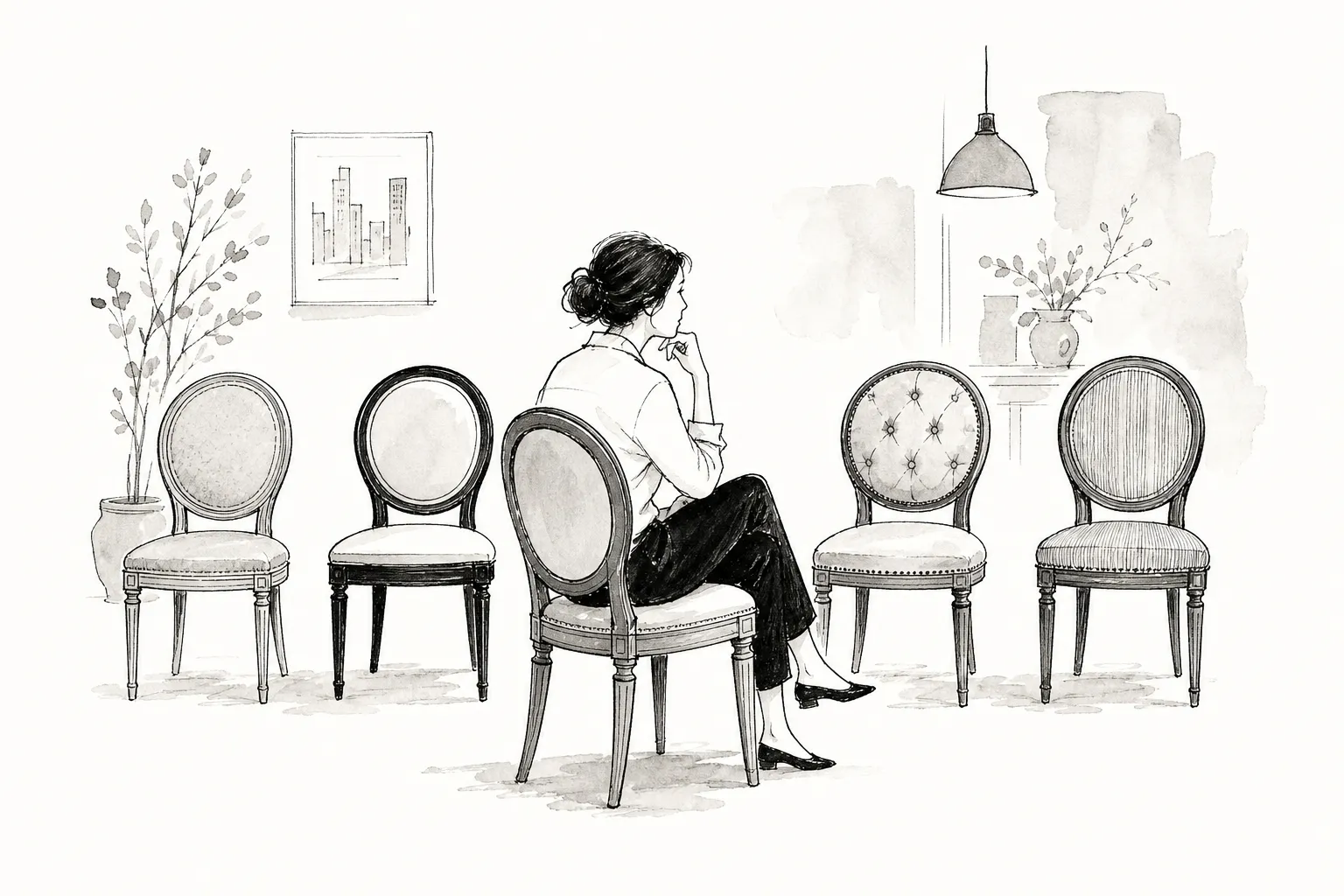
The curved silhouette has stayed relevant through multiple design cycles because it bridges traditional and contemporary aesthetics in a way that straight-back chairs simply don’t. A Louis-style medallion back reads as formal and classic in a French-country setting. A shell-back chair fits mid-century modern rooms. A tight bouclé-upholstered round chair with a sculptural frame feels completely current and organic in 2026’s comfort-forward interiors.
That flexibility is genuinely rare in furniture design. Most silhouettes are period-specific, which means they date quickly when design trends shift. The curved back, by contrast, changes its material and finish to stay relevant, which is why designers reach for it repeatedly across projects and periods.
Main styles for the round back dining room chair
Louis-style and medallion-back chairs
The Louis-style chair features a carved wood frame with an open medallion back, typically upholstered at the seat and sometimes at the back pad as well. It suits formal dining rooms, pairs naturally with ornate tables and velvet or damask fabrics, and brings an unmistakable sense of occasion to the space. This style has remained a reference point in European furniture production for generations because it solves a genuine design problem: how to make a chair feel important without overwhelming the room.
Reproductions are widely available at every price point, and quality varies significantly. The key indicator is frame joinery. Mortise-and-tenon or doweled construction indicates a chair built to last. Staple-and-glue construction, common in budget versions, will loosen within a couple of years under regular use. Ask about the wood species too: beechwood and ash hold stain and finish better than rubberwood and are worth the slight premium.
Shell-back and mid-century curved designs
The molded shell back, popularized in the Eames era, takes the curved back concept to its logical extreme: a single continuous form that flows from seat to backrest in one piece. Modern versions are produced in molded plywood, polypropylene, and fiberglass. These chairs suit tulip-base tables, tapered-leg designs, and glass-top tables particularly well because their clean geometry doesn’t compete with a complex table base.
Mid-century curved dining chairs are trending strongly in 2026. They offer a lighter visual footprint than upholstered designs, which is useful in smaller dining rooms where you want to keep the space feeling open. The Wishbone-style chair, with its sculptural rounded splat back, consistently ranks among the most searched designs in this category for Canadian shoppers.
Modern upholstered round back dining room chairs
The current wave of fully upholstered round back dining room chairs in bouclé, performance velvet, and linen has moved the category into territory that used to belong exclusively to the living room. These chairs prioritize comfort and tactile richness, and they’ve become the default choice for boutique hospitality and high-end residential dining rooms alike. High-density foam construction is what separates chairs that retain their shape for years from those that flatten out within months, when reviewing specs, look for density ratings in the range manufacturers typically describe as “contract-grade” or “commercial-grade.”
This style bridges residential and commercial design in a way the other categories don’t. A well-specified upholstered round back dining room chair looks at home in a private dining room and equally appropriate in a boutique hotel restaurant. That crossover appeal explains why specification rates in boutique hospitality have climbed sharply since 2024.
Materials that determine how a chair actually feels and lasts
Upholstery: bouclé, velvet, and leather side by side
Fabric choice isn’t just aesthetic. It directly affects how long the chair looks good and how much work it takes to keep it that way. Here’s how the three most popular options compare for dining use specifically.
- Bouclé: Textured and upscale-looking, but the looped yarn structure snags easily under regular use. Ideal for lower-traffic dining rooms or design-forward spaces where appearance matters more than durability. Spot clean only with mild detergent; spills rubbed in aggressively push liquid deeper into the loops and can fray the yarn.
- Performance velvet: Dense and plush with a rub count of 30,000 or more, making it genuinely durable for frequent dining use. Standard velvet shows crushing marks and wears unevenly; performance velvet doesn’t. Vacuum regularly with a soft brush attachment and avoid water-based cleaners that leave rings.
- Leather and faux leather: The most durable and easiest to maintain. Genuine leather needs periodic conditioning but lasts 15 to 20 years with proper care. Faux leather cleans with a damp cloth and is the better choice in households with children or for any commercial dining application.
Factor in how the chairs will actually be used, not how they’ll look in a product photo. If you host weekly dinner parties, leather or performance velvet will reward you for years. If the chairs are mostly decorative, bouclé is a reasonable choice.
Frame materials: solid wood vs. metal legs
Solid wood frames, particularly beechwood and ash, bring warmth and allow for classic carved detailing. They hold paint and stain reliably and feel substantial underfoot. The trade-off is moisture sensitivity: solid wood needs protection from humidity, direct heat, and water exposure or it will crack and warp over time.
Metal frames and powder-coated steel legs offer greater durability under daily commercial use. They support heavier loads without flexing, don’t react to moisture, and hold up better in high-traffic settings. The best chairs for long-term use often combine the two: solid wood backs for aesthetic warmth and carved detail, with metal leg construction for structural reliability. That combination is standard in contract-grade hospitality furniture.
Getting the sizing right before you buy
Seat height, table clearance, and the 9 to 12 inch rule
Seat height is the measurement most buyers overlook and the one that matters most. Standard dining tables run 28 to 30 inches tall. Standard dining chair seat heights fall between 17 and 20 inches. The number you actually need to check is the gap between the seat and the table surface: it should land between 9 and 12 inches, with 10 inches being the most comfortable for the widest range of adults.
The math is straightforward. A 29-inch table minus a 19-inch seat height gives you 10 inches of clearance. That’s your target. A chair that photographs well but sits at 16 inches will put you too low at a standard table. A chair at 21 inches will put you too high. Always verify the exact seat height from the product specification, not from a visual estimate.
Seat width, depth, and spacing per person
Seat width should be at least 18 inches for comfortable use. Seat depth of 16 to 18 inches provides adequate thigh support for most adults without forcing you into a posture where your legs dangle or your knees hit the table apron. Total chair width, including legs and any curved back flair, often runs 18 to 24 inches, and that’s the measurement you need for planning spacing around the table.
Each person at a round table needs at least 24 inches (60 cm) of circumference space for comfortable elbow room. A 48-inch round table seats four people comfortably at this spacing. A 60-inch round table seats six without crowding. Trying to fit six chairs around a 48-inch table doesn’t work: the math simply doesn’t support it, regardless of what the product listing claims. (For a compact reference on standard measurements see this dining chair dimensions guide.)
Styling a round back dining room chair for your room
Small dining rooms: what actually works
Armless round-back side chairs with a slim profile are the right move for compact dining rooms. Light wood frames or metal legs keep visual weight low and allow the eye to travel through the space rather than stopping at each chair. Pair them with a round table rather than rectangular: round tables improve flow around the room and let chairs tuck fully under the table when not in use, freeing up meaningful floor space in a room that can’t spare it. (If you want examples of recommended pairings, see this list of the best chairs for round dining tables.)
Keep color choices tonal. Matching or near-matching chair fabric and wall color avoids the visual fragmentation that makes small rooms feel choppy and cluttered. If the room is genuinely tight, transparent polycarbonate chairs are worth serious consideration: they provide seating without registering as visual mass, which creates an effective illusion of more space. Stick to three chairs even at a four-seat table if the room feels crowded with all four in place.
Large dining rooms: going bold with scale and texture
Larger rooms can handle upholstered arm chairs with high curved backs, richer fabrics, and decorative legs without feeling overwhelmed. Mixing materials adds sophistication that an all-wood or all-upholstered room can’t achieve: a timber dining table with fabric-upholstered curved-back chairs prevents the visual heaviness that comes from matching every surface to the same material. The contrast is what creates depth.
For a large round table at 60 inches or wider, a set of six to eight matching upholstered round-back chairs creates a cohesive, restaurant-quality look. Deep velvet, bouclé (in a lower-traffic formal room), or leather in a rich tone all work well at this scale. This is also the configuration where a high curved back reads as intentional grandeur rather than oversized furniture in the wrong room.
What to expect at different price points in Canada
Entry to mid-range: $150 to $400 per chair
At this price range, buyers typically find wood-frame round-back side chairs with fabric seats in linen or polyester blend, or basic faux leather upholstery. Wayfair Canada and Walmart Canada stock the widest selection here, with Wayfair offering free shipping on most items and a 30-day return policy, and Walmart offering a 90-day return window with in-store returns available. Sets of four to six chairs sold together often bring the per-chair price closer to the lower end of that range.
Frame joinery quality varies considerably at this price point. Look for mortise-and-tenon or doweled construction in the product description. If the listing mentions particleboard components or doesn’t specify joinery at all, the chair is likely staple-and-glue construction and will show it within a couple of years of regular use. For an overview of the Canadian retail market and practical tips on buying chairs, consult this 2026 guide to buying dining chairs in Canada.
Mid-to-premium: $400 to $700 per chair
This range opens up solid hardwood frames, genuine bouclé or performance velvet upholstery over high-density foam, and meaningfully better structural durability. Crate and Barrel Canada, West Elm Canada, and higher-end independent retailers operate in this tier. Contract-grade versions built for restaurant and hospitality use are available here too, and they’re worth considering for any household that uses the dining room heavily. Scandinavian imports and Amish-made options also fall in this range.
The price difference between tiers comes down to a consistent set of variables: wood species and grade, upholstery fabric quality, foam density, frame joinery method, and finish quality. A higher price doesn’t guarantee better design, but it reliably means better longevity. For chairs that will see daily use over ten or more years, the mid-to-premium tier usually pays for itself in replacement costs avoided.
Confirming the details before you order
Transformer Table ships solid wood ergonomic curved chairs quickly and offers free delivery over $999, which is worth noting if lead time matters, verify current dispatch times directly with the retailer, as these can change. Etsy Canada has the strongest selection of custom and handmade options, but return policies vary by seller and custom orders are almost always final sale, so request samples before committing. Verify the exact seat height (not just “standard height”), total chair width including legs, and whether the listing ships from within Canada or internationally before placing any order.
Sourcing custom round back chairs for hospitality and design projects
Why retail options don’t scale for hotels and villas
When outfitting a hotel restaurant, boutique villa, or luxury residential development, retail purchasing creates three compounding problems: limited customization for brand standards, inconsistent quality across restocked batches, and per-unit costs that eat through FF&E budgets fast. A standard mid-range curved-back dining chair at $400 retail across 100 restaurant seats is $40,000 before shipping. That’s before accounting for lead times that can stretch months on popular SKUs, or the near-impossibility of sourcing identical replacement chairs two years later when a few get damaged.
Hospitality projects also require documentation that retail products rarely come with: fire-safety compliance certificates, load-testing data, finish specifications for brand standards review. Retailers are rarely positioned to supply that documentation, whereas manufacturers treat it as standard procedure.
Factory-direct custom chairs built to your specification
The more practical route for volume buyers is working directly with a specialized hospitality furniture manufacturer. YM Furniture (Foshan Yauming Furniture & Construction Co., Ltd.) is a Foshan, China-based factory with over 17 years focused on custom curved-back and round back dining room chairs for 4- and 5-star hotels, luxury villas, and commercial dining spaces across more than 30 countries. The company’s project portfolio includes work for major international hospitality brands across the Americas, Europe, and Asia-Pacific.
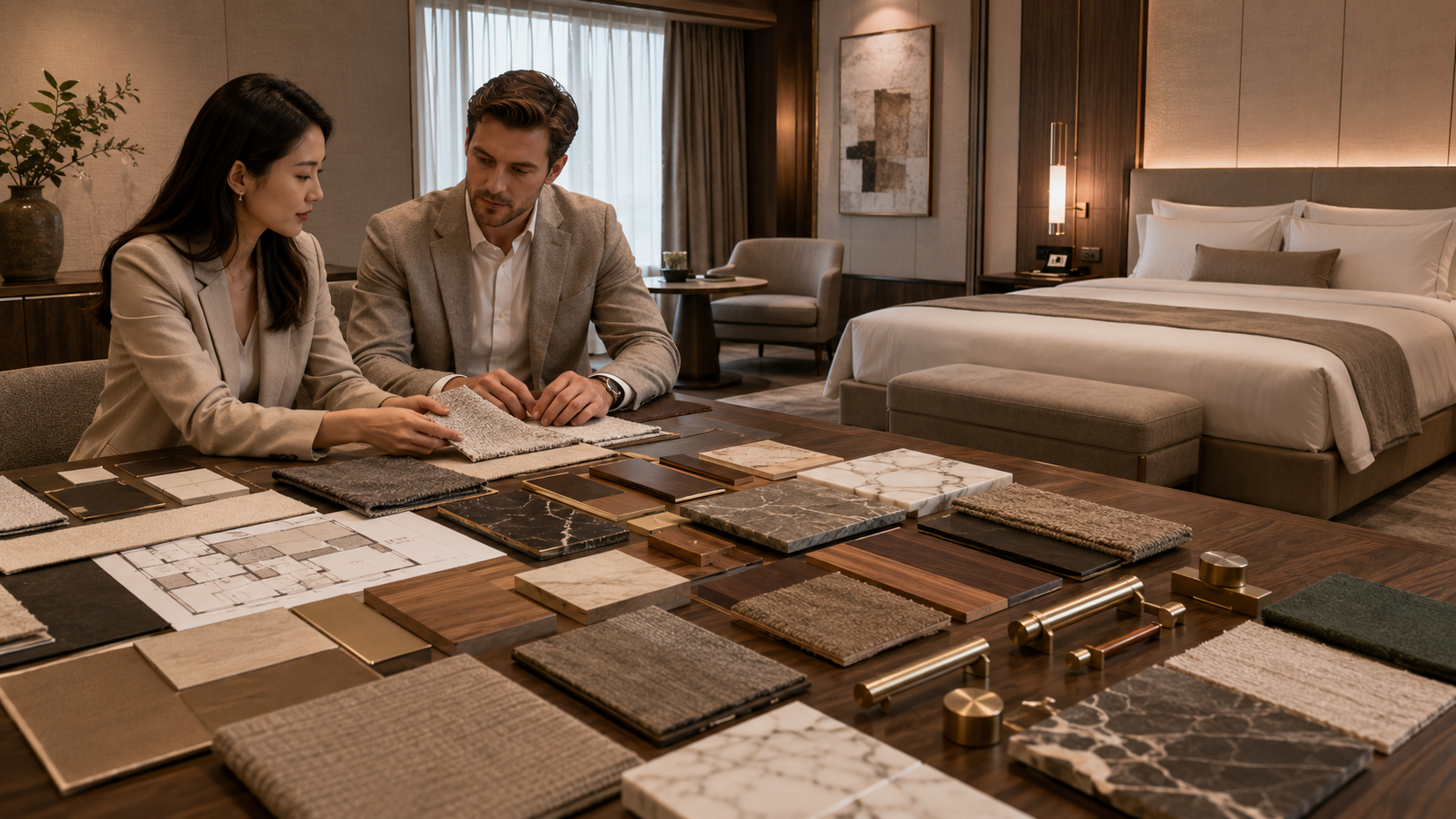
Buyers specify exact dimensions, upholstery fabric, frame finish, and leg style. YM produces to that specification at factory-direct pricing that removes the retail and distribution markups typically built into comparable chairs. At volume, that pricing difference is substantial, on a 100-chair order, the gap between factory-direct and retail-sourced costs frequently covers an entire additional room category in the FF&E program. Quality management certifications and compliance documentation are supplied as standard, giving hospitality procurement managers and interior designers the audit-ready materials needed for due-diligence sign-off.
For Canadian developers and designers, the process starts with a design consultation, moves through sample approval and a 20-day model room delivery for proof-of-concept, and then into full production. That sequencing reduces risk considerably compared to committing to volume before seeing physical samples. If you’re running an FF&E program at scale and the per-unit cost of retail chairs is straining the budget, direct manufacturing is worth a serious conversation.
Choosing the right chair comes down to four decisions
Start with style: identify the silhouette that fits both the room and the design period you’re working in. A mid-century shell-back chair in a formal Victorian dining room creates conflict, not character. A medallion-back chair in a minimalist space reads as out of place. Get the silhouette right first, and material and sizing decisions become easier.
Then match the material to the actual use. A bouclé chair in a household with young children or heavy weekly entertaining is likely to show wear sooner than expected. Performance velvet or leather in the same context will still look sharp at year five. Size the chair against your specific table using the 9 to 12 inch clearance rule, and verify seat height from the spec sheet rather than the product photo.
Budget determines which version of the right chair you get, not whether the right chair exists at your price point. The retailers covered here span the full Canadian range from accessible to premium. For hospitality buyers and interior designers sourcing at volume, the decision moves from retail browsing to specification and direct manufacturing. Whichever category you fall into, the best round back dining room chair is the one that fits your table dimensions, suits the room’s design register, and holds up through the way the space actually gets used. Return to the style and material sections when you’re ready to build your shortlist (see our luxury dining room furniture buying guide).
Frequently asked questions
What is a round back dining room chair?
A round back dining room chair is any dining chair featuring a curved or circular backrest, including styles such as medallion-back, shell-back, and fully upholstered curved designs. The curved profile offers both aesthetic versatility and ergonomic benefits over flat, straight-back alternatives.
How do I know if a round back dining room chair will fit my table?
Check the gap between the chair seat and the underside of the table surface, it should measure 9 to 12 inches. For round tables, allow at least 24 inches of table circumference per chair. A 48-inch round table comfortably seats four; a 60-inch round table seats six.
What upholstery fabric holds up best on a round back dining room chair?
For households with regular use, performance velvet (rub count 30,000+) and genuine or faux leather outperform bouclé in longevity and cleanability. Bouclé works well in lower-traffic, design-forward spaces. For commercial applications, leather or contract-grade performance fabrics are the most practical choice.
Are round back dining room chairs suitable for commercial and hospitality use?
Yes, particularly when sourced as contract-grade pieces built for daily high-traffic use. Chairs combining solid wood or metal frames with high-density foam and durable upholstery are standard in hotel restaurants, boutique venues, and commercial dining spaces. Volume buyers typically source direct from manufacturers rather than retail for both pricing and customization reasons. For related specification advice on seating used in workspaces, see our guide to luxury chairs for your office.
What is the price range for a round back dining room chair in Canada?
Entry to mid-range chairs run $150 to $400 per chair through retailers like Wayfair Canada and Walmart Canada. Mid-to-premium options from retailers such as Crate and Barrel Canada and West Elm Canada range from $400 to $700 per chair. Hospitality and volume buyers sourcing factory-direct can access custom-specified chairs at significantly lower per-unit costs.