When sourcing luxury bar chairs, you can find a stool that looks perfect in the showroom, the proportions right, the leather gorgeous, and the finish photogenic. Then it arrives, and something is off. The seat is two inches too high for your island. The back angle feels awkward after ten minutes. Or it works fine at home but in a hotel bar lounge it falls apart under three months of daily use. This is a frustration that hospitality designers, interior specifiers, and homeowners alike run into constantly, and it almost always comes down to the same handful of avoidable decisions.
The gap between a bar chair that merely looks premium and one that genuinely elevates a space is smaller than you might think. It comes down to four decisions: material quality, correct proportions, construction integrity, and where you source it. Get those four right, and the chair works. Get one of them wrong, and no amount of aesthetic appeal saves it.
This guide does two things at once. It gives you a curated list of ten of the best luxury bar chairs available in the UK right now, covering leather classics, velvet and boucle statements, and designer-grade pieces from £99 to £1,495. And it gives you a practical framework for assessing any bar chair independently, so you can walk into a showroom or click through a product page with real buying criteria rather than just a feeling. Whether you’re furnishing a kitchen island in a private home or specifying premium bar seating for a hotel lounge at scale, what follows covers the full picture.
What separates truly luxury bar chairs from ordinary stools
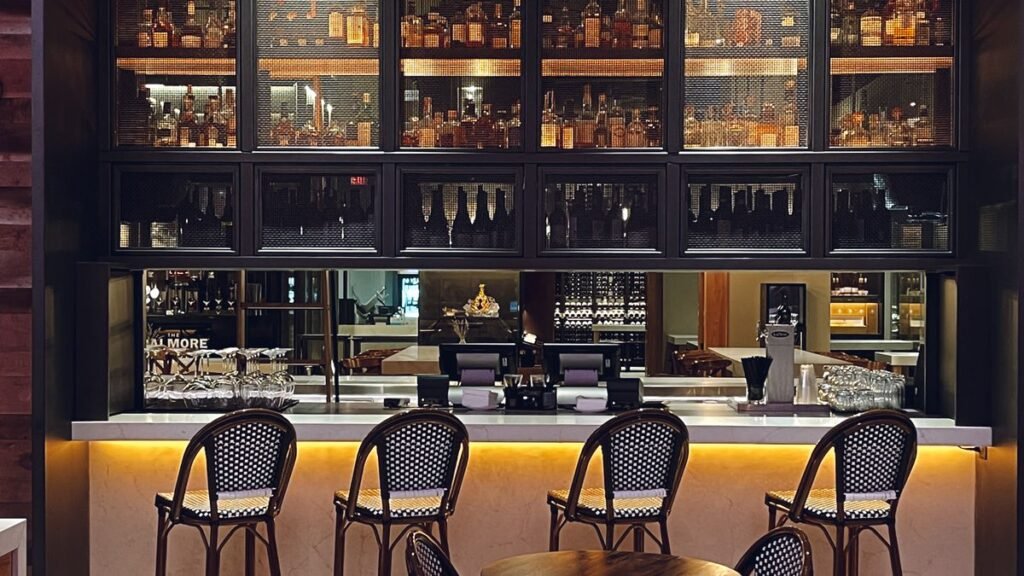
The word “luxury” is doing a lot of heavy lifting in furniture retail right now. A padded seat and a brushed metal base at £180 gets described as luxury. So does a handmade full-grain leather stool at £1,495. Before you spend anything, it helps to have a working definition that actually means something.
A genuinely premium bar chair combines material quality, structural integrity, and considered ergonomics. The price tag is a poor proxy for any of those three things on its own. A chair can carry a premium price because of branding, retail margin, or a showroom postcode, not because of what went into making it.
The materials that signal real quality
Full-grain and genuine leather upholstery is the benchmark for premium bar seating. It ages well, cleans easily, and develops character over time rather than deteriorating. What separates genuine leather from faux at a glance is the stitching: look for tight, even saddle stitching at seams and a grain pattern that varies slightly across the surface, which is natural to hide. Perfectly uniform grain is often indicative of a synthetic surface finish or an embossed correction layer rather than natural hide.
Velvet and boucle fabrics dominate the residential luxury market in 2026. Quality velvet has a consistent pile depth with no bald patches or shading variation across the seat. Boucle should feel dense and springy, not loosely looped. For frames, solid hardwood, including ash, walnut, and oak, will show visible grain variation; lower-grade constructions sometimes reveal themselves at edges or joints where a veneer doesn’t quite meet cleanly. For metal bases, solid steel or cast aluminium bases generally feel more substantial and carry more weight than thin hollow-tube constructions, which is a useful hands-on check when assessing quality in person. For a direct example of a premium upholstered option, see our Stunning Luxury Genuine Leather Dining Chair In 2026 | Best Premium Design.
Construction details most buyers overlook
Footrest placement is one of the clearest indicators of a well-made bar stool. A properly positioned footrest sits at a height that allows your feet to rest flat without your knees riding up or dropping too low. It should be reinforced at both ends, not simply welded to the legs as an afterthought. Seat depth matters as much as height: very shallow seats can become uncomfortable during extended use, so always check seat depth against standard ergonomic guidance when assessing a stool for commercial or residential use.
In hospitality environments, these details become critical rather than optional. A bar chair in a hotel lounge faces hundreds of use cycles per week, people of varying weight, and the kind of lateral stress that comes from guests swivelling, leaning, and pushing back from the bar. This is the context in which YM Furniture has built its manufacturing standards, with 17+ years producing custom furniture for five-star hotel projects including Marriott and Sheraton properties. Their approach to frame joinery and weight ratings illustrates what “built for daily commercial use” actually looks like in practice, rather than as a marketing phrase.
Getting the height right: luxury bar chairs for bar, counter and kitchen island
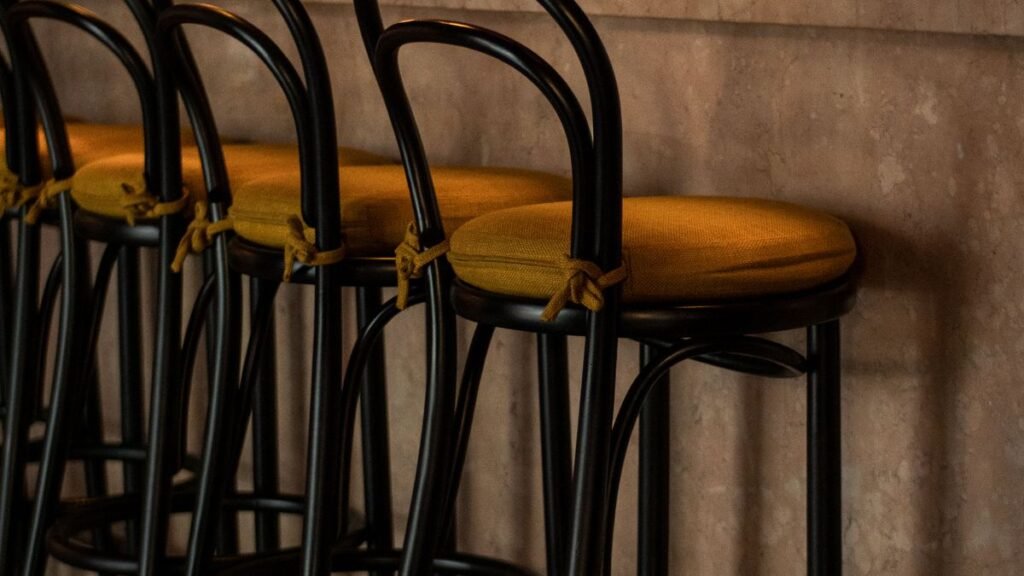
Seat height is the single most common purchasing mistake made when buying luxury bar chairs. Getting it wrong makes an expensive chair functionally useless, regardless of how good it looks.
The standard seat height specifications
There are two categories to know. Counter-height stools have a seat height of 61, 66 cm (24, 26 inches) and suit surfaces around 89, 91 cm (35, 36 inches) high. Bar-height stools have a seat height of 71, 76 cm (28, 30 inches) and suit surfaces around 104, 109 cm (41, 43 inches) high. Kitchen islands in most UK homes fall into the counter-height category, typically sitting at around 90 cm from the floor. For a quick external reference on common stool heights, consult this standard stool heights guide.
These are the standard reference points, but individual products vary. Always check the seat height specification in the product details, not the overall stool height, which includes the footrest and often the backrest and adds several centimetres to the number.
How to measure your space correctly
The formula is straightforward: measure from your floor to the top of your surface, then subtract 25, 30 cm (10, 12 inches). That gives you the ideal seat height for comfortable legroom. For a kitchen island at 90 cm, you’re looking for a seat height of around 60, 65 cm. For a bar surface at 107 cm, aim for a seat height of around 76, 81 cm.
Also check the overhang of your surface. Standard design guidance recommends a minimum overhang of around 38 cm (15 inches) from the edge of the island to allow the stool to sit close enough for a comfortable seating position and adequate knee clearance. If your island has minimal overhang, no stool height will fully compensate. Adjustable bar stools offer flexibility for unusual surface heights, though the adjustment mechanism can add visual bulk, a trade-off worth considering in settings where the refined look of a fixed-height designer bar chair is part of the specification brief.
Top picks: luxury bar chairs by style and material
The picks below are grouped by style and material category rather than a simple countdown. Each one is available through UK retailers as of 2026, and each suits a different combination of budget, setting, and aesthetic.
Picks 1, 4: The leather classics (£175, £1,495)
The Timothy Oulton Angeles Brown Leather Bar Stool at £1,495 is the benchmark for full-grain leather craftsmanship in the UK retail market. The hide is typical of full-grain leathers in showing natural grain variation and developing a patina with age. The construction is solid and the proportions are considered. This is a piece designed for a serious residential bar or a high-end hospitality setting where longevity and character both matter.
The Rivington Brown Faux Leather Quilted Counter Stool at £185 is one of the strongest value-for-money options in the entry-luxury tier. The quilted panel detail reads as premium from a distance, and the faux leather wipes clean easily, which makes it practical for kitchen use. It won’t age in the same way as genuine leather, but for residential kitchen island use with moderate traffic it performs well above its price point.
Barker and Stonehouse offer a solid leather swivel option in their range that suits spaces where the chair needs to face multiple directions, such as an open-plan kitchen-diner where guests at the island may want to engage with the wider room. Swivel mechanisms on quality stools are reinforced at the base plate; check this detail on any swivel stool before committing. For a fourth leather pick, the Taupe Faux Leather Counter Stool at £175 offers a neutral colourway that works across both classic and contemporary interiors without competing with other design decisions in the room.
Picks 5, 7: Velvet and boucle for a lounge aesthetic (£99, £269)
The Valentino Velvet Deep Tufted Lion Head Bar Stool in Mink at £135 is a statement piece in the clearest sense. The deep button tufting and lion-head knocker detail make it unmistakably decorative, and the mink colourway sits well in warm, layered interiors. Care-wise, vacuum this type of velvet gently with a soft brush attachment and attend to spills immediately by blotting rather than rubbing.
The Maurice Green Boucle Counter Stool at £149 (reduced from £199) is the more restrained contemporary option. The boucle texture gives it warmth and tactility without the drama of tufting, and the green colourway works well in kitchens with warm wood tones or muted cabinetry. Boucle traps crumbs and dust more readily than leather or velvet, so a soft brush and regular attention keep it looking its best.
The Hinoki Fabric Bar Stool at £269 is the most minimal of the three fabric picks. The clean silhouette and refined upholstery finish make it versatile enough to work in both kitchen and living spaces, and the slightly higher price reflects construction quality rather than just the material. For any fabric stool used in a kitchen, check whether the manufacturer specifies a stain-resistant treatment on the fabric or whether this needs to be applied separately.
Picks 8, 10: Designer and hospitality-grade statement chairs (£300, £1,195)
The Kartell Masters Grey Bar Stool at £385 is one of the most recognisable silhouettes in contemporary furniture. The stackable polycarbonate construction references three classic chair designs simultaneously, which gives it instant design credibility that few pieces at this price achieve. It performs well in both residential and commercial hospitality settings because the material is essentially indestructible and maintenance-free.
The Donato Bar Stool from Barker and Stonehouse at £1,195 pairs solid wood craftsmanship with premium upholstery in a way that positions it firmly in the ultra-luxury residential tier. The construction quality at this price point justifies careful consideration of placement: this is a piece for a serious dining room or private bar, not a busy kitchen island. The King Living Cassia Bar Stool rounds out the ten as the pick named the best luxury bar stool by The Independent. Its proportions, material quality, and versatility across residential and light-commercial settings make it a reliable specification for designers who need a single strong recommendation at the premium tier.
Style trends shaping luxury bar seating in 2026
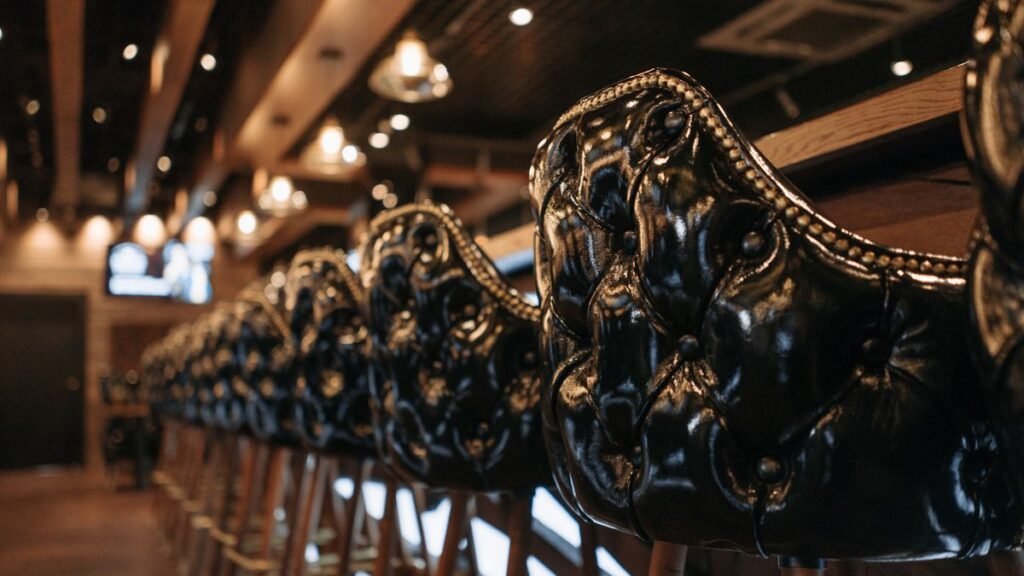
Knowing what looks current matters when you’re specifying seating for a new project. A chair that looked fresh three years ago can date a space now. Understanding the aesthetic directions defining the market helps anchor every specification decision.
The textures and silhouettes leading the market
Curved, organic silhouettes have largely replaced the rigid, angular forms that dominated the previous design cycle. Rounded back profiles, gently contoured seats, and swept base forms create a softer visual weight that works particularly well in kitchens and lounge settings. Alongside this shift, boucle and ribbed velvet have established themselves as the prestige fabric choices, signalling warmth and tactility rather than cool minimalism.
Colour direction has moved decisively toward warm natural tones: taupe, mink, caramel, cognac, and chocolate brown are the dominant choices across both residential and hospitality interiors, having largely displaced the cooler greys that defined the previous half-decade. Frame finishes are following the same logic, with brushed brass and antique bronze replacing brushed chrome and matte black in higher-end applications. Solid wood frames in ash and oak are seeing strong demand as a counterpoint to all-metal constructions. For guidance on selecting pieces for larger residences, see our article on Choosing Luxury Villa Furniture That Elevates Every Space | YM Furniture.
What hospitality designers are specifying differently
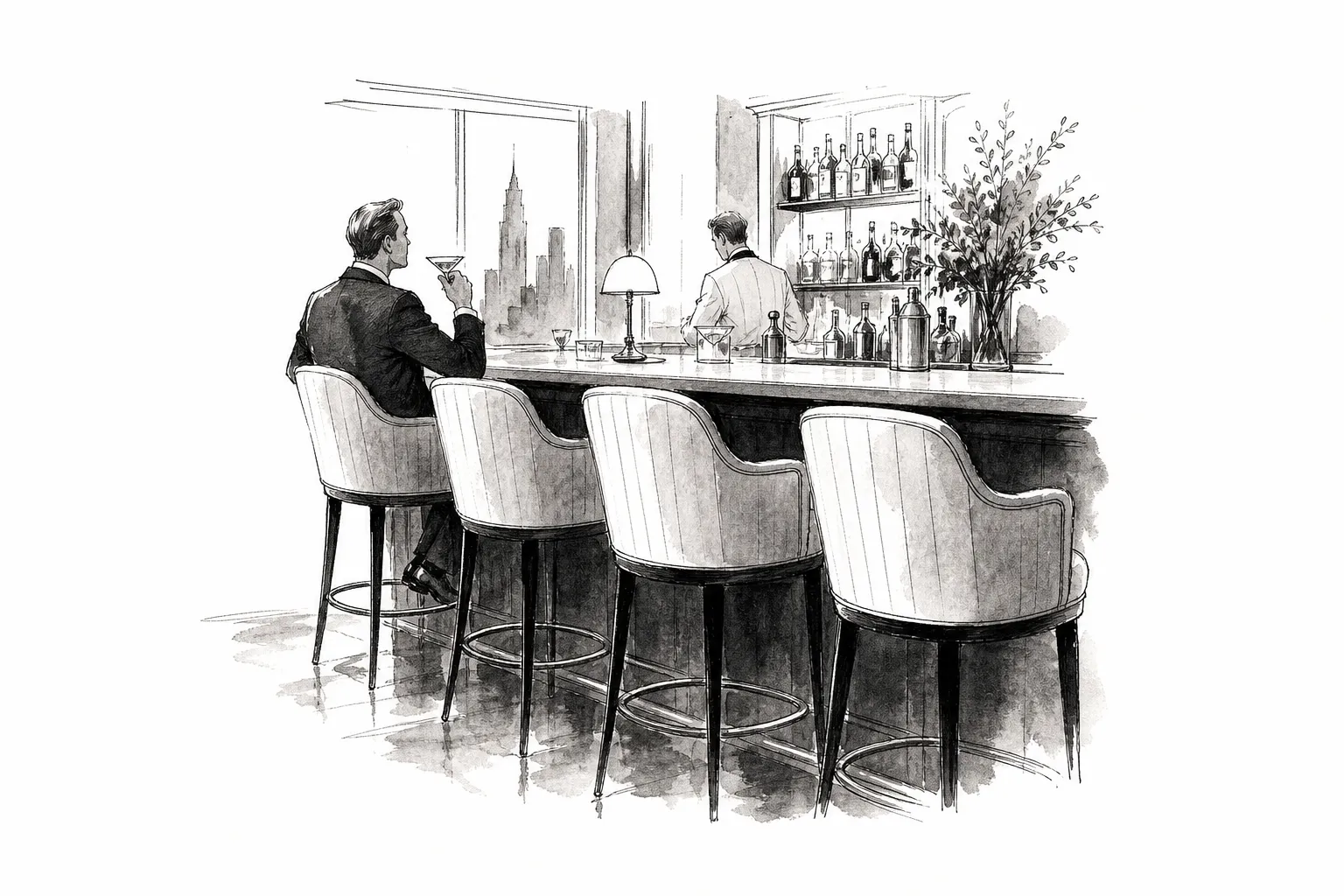
In high-end hotel bars and club fit-outs, the brief has shifted noticeably toward comfort for extended dwell time. Swivel functionality, higher back support, and arm options are being prioritised, not just for ergonomics but because guests in premium venues are spending longer at the bar and expect the seating to support that. A stool that’s fine for a ten-minute coffee becomes uncomfortable in a ninety-minute dinner-bar setting.
Custom upholstery in brand-specific colourways is standard practice for five-star properties. This is where bespoke manufacturing matters at the hospitality level in a way it doesn’t for a single residential purchase: a hotel group running a rollout across multiple properties needs consistency in material, colour reference, and construction across hundreds of units. That requirement cannot be met through retail, which is why experienced hospitality designers work directly with manufacturers rather than through showrooms.
UK pricing tiers: what your budget actually gets you
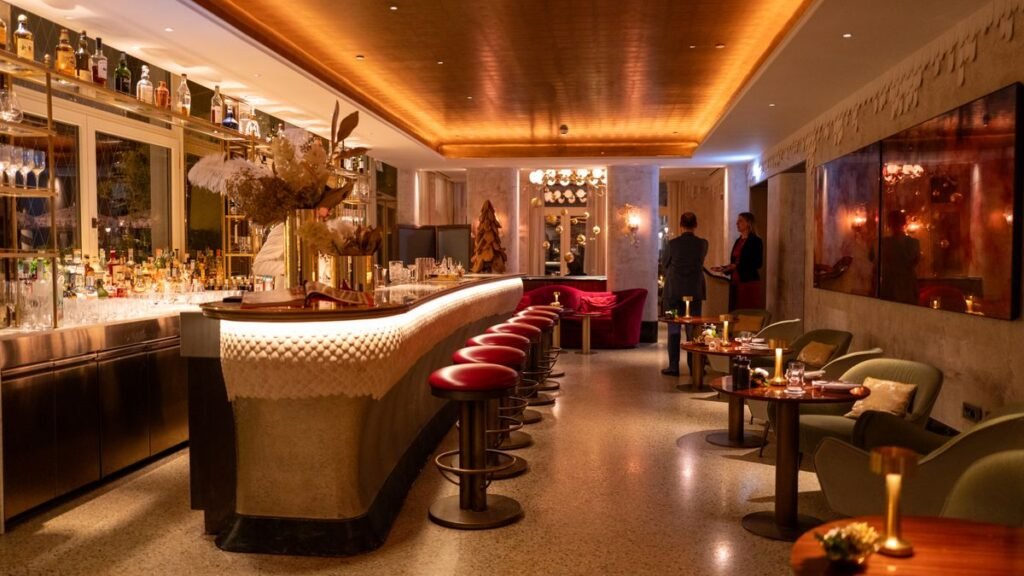
The price range for luxury bar chairs in the UK in 2026 runs from £99 to well over £1,495. What changes at each tier is worth understanding clearly before you decide where to spend. For benchmarking typical retail prices across multiple retailers, tools such as PriceRunner’s furniture comparisons can be useful when setting a realistic budget.
From entry-luxury to mid-range (£99, £300)
In this range, expect solid faux-leather or velvet upholstery, powder-coated or painted metal frames, and decent construction without the frame joinery or material depth of higher tiers. The picks from the Archer, Southbury, Valentino Velvet, Maurice, and Rivington options all sit here and represent genuine value. These chairs are suitable for residential kitchen islands and lighter-use hospitality environments where turnover is modest. For a home breakfast bar used daily by a family of four, this tier covers the need well.
Premium to ultra-high-end (£300, £1,495+)
Above £300, the quality step-change is meaningful. Genuine leather or specialist fabric upholstery, solid hardwood or cast metal frames, and often handmade or made-to-order construction become the norm. Brands operating at this level include Timothy Oulton, Giorgio Collection, Cattelan Italia, and Eichholtz. The Donato and King Living Cassia sit in this tier. At the upper end of this range, construction methods and material provenance are genuinely different from what’s possible at lower price points.
Ultra-premium retail pricing is not the only route to this quality level. For designers and developers working at scale, direct manufacturing access changes the economics entirely, which the following section addresses directly.
How interior designers source custom luxury bar chairs at scale
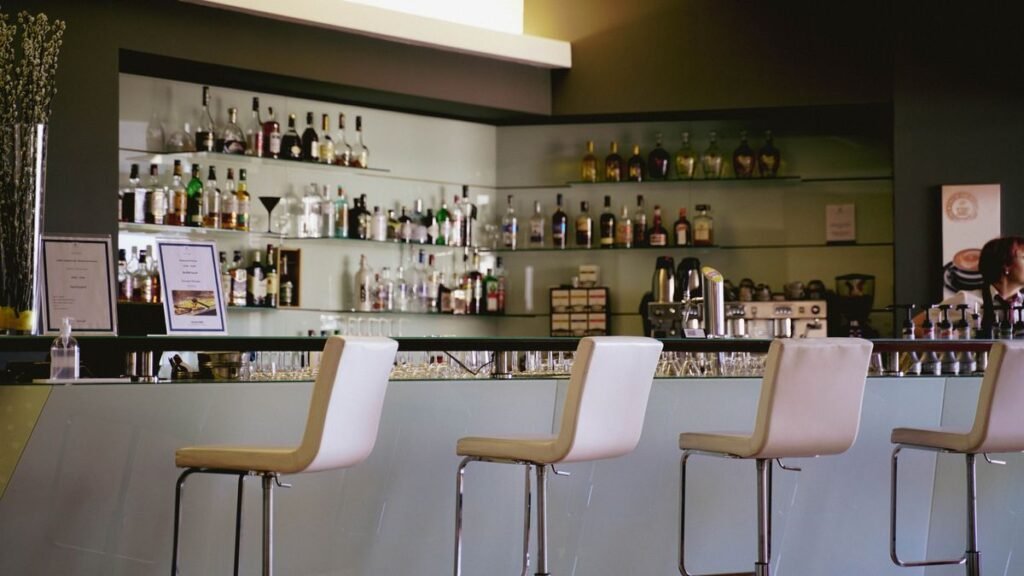
This section is aimed at design professionals, FF&E consultants, and developers who need seating in volume rather than in pairs. The economics of retail simply don’t work at scale, and the most experienced designers in this space have known for years where to go instead.
Why retail pricing doesn’t scale for hospitality projects
At £300, £1,495 per stool, furnishing a 60-seat hotel bar lounge with premium seating through UK retail represents a seating budget alone that can approach or exceed six figures. That’s before you account for guestroom chairs, lobby seating, and dining chairs. Most experienced FF&E consultants source custom bar chairs directly from manufacturers, especially for projects requiring bespoke dimensions, proprietary fabric colourways, or brand-specific finishes. Retail is a discovery channel for this audience, not a procurement channel.
Factory-direct manufacturing: the bespoke route at a fraction of retail cost
YM Furniture (Foshan Yauming Furniture & Construction Co., Ltd.) is one of the clearest examples of how experienced designers access this route. With 17+ years producing custom furniture for five-star hotel projects including Marriott and Sheraton properties, YM Furniture manufactures fully bespoke luxury bar chairs in leather, velvet, solid timber, and custom metal finishes, factory-direct from their 70,000 sqm Foshan facility. Their international design team works to exact project specifications, which means designers can submit drawings, finish references, and dimension requirements and receive production-ready samples in return. For a practical procurement checklist targeted at high-end projects, designers can consult our guide How To Choose The Perfect Luxury Chair For A 5-Star Space | YM Furniture.
The 20-day model room service allows designers to review and approve prototypes before full production begins, eliminating the most significant risk in large-scale custom manufacturing. Triple ISO certification (ISO 9001, ISO 14001, and ISO 45001) provides the documented quality framework that procurement teams and hotel brands require before approving any supplier. For UK designers working on international projects, the logistics infrastructure and ocean freight experience remove the complexity that often deters first-time direct importers. Designers working through a factory-direct route like this can achieve the same material and construction quality seen in ultra-premium UK retail at a significantly reduced per-unit cost.
Caring for luxury bar chair materials the right way
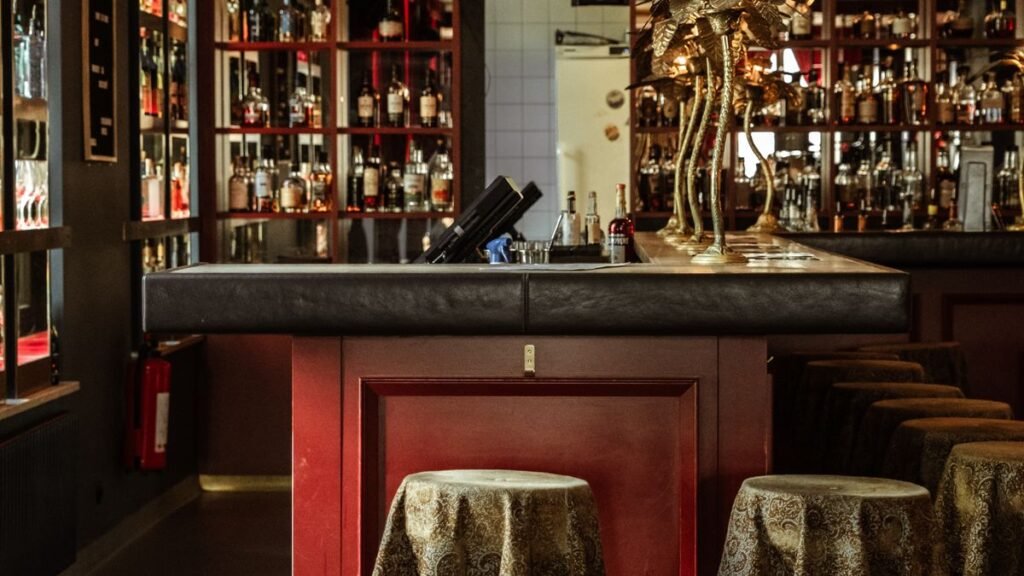
Premium bar chairs are an investment. The right maintenance routine protects that investment and extends the life of the piece significantly, regardless of the material.
Leather and velvet: the two most common upholstery choices
For leather bar chairs, wipe down regularly with a soft, dry cloth to remove surface dust and moisture. Every few months, apply a dedicated leather conditioner to prevent the hide from drying out and cracking. Keep genuine leather away from direct sunlight and heat sources, both of which accelerate drying and cause fading. For faux leather, the cleaning routine is similar but conditioning is unnecessary; focus instead on keeping the surface clean to prevent surface breakdown over time.
For velvet bar chairs, use a soft brush vacuum attachment on a low setting to remove dust and debris, always working in the direction of the pile. Blot any spills immediately with a clean cloth, rubbing spreads the stain and damages the pile structure. For boucle, the same blotting approach applies, but give extra attention to crumb removal as the looped texture traps debris more readily. Always follow the manufacturer’s specific cleaning instructions for fabric chairs, as different pile constructions respond very differently to moisture and cleaning agents. If you’re considering reupholstering a stool rather than replacing it, see this practical guide on what you should know about reupholstering a barstool.
Solid wood and metal frames: lower maintenance, but not zero
For solid wood frames, dust regularly with a soft cloth and clean with a product matched to the specific finish: oiled wood needs an oil-based cleaner, lacquered wood needs a gentle non-abrasive product, and painted frames need care to avoid chipping the surface finish. Keep wood frames away from prolonged moisture exposure, particularly in kitchen environments where steam and spills are common.
For metal bases and frames, wipe with a damp cloth and dry thoroughly after cleaning. This is particularly important for brushed brass and antique bronze finishes, which can tarnish in high-humidity environments such as kitchen or bar settings. Check these finishes periodically and treat with a metal-appropriate cleaner if tarnishing appears. Powder-coated steel is the lowest-maintenance option of the metal group and tolerates regular cleaning without issue.
What to ask before you commit to a purchase
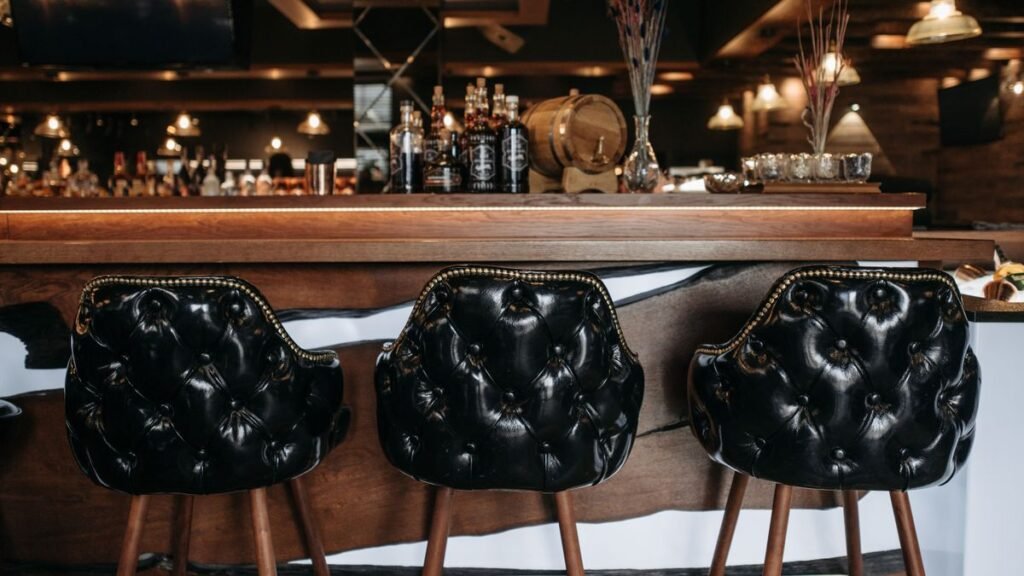
The practical side of buying premium bar seating in the UK involves a set of questions that most buyers don’t ask until something goes wrong. Ask them before you order.
Delivery timelines and customisation options
Stock items from UK retailers typically arrive within 2, 10 working days. Made-to-order or bespoke pieces from UK brands take 4, 8 weeks, sometimes longer for highly custom pieces. For factory-direct orders from international manufacturers, allow 25, 40 days for ocean freight on top of production time and build that into your project programme accordingly. Confirm whether customisation options, including fabric choice, finish selection, and height variants, are genuinely available or restricted to a small swatch selection. Ask whether the manufacturer or retailer can provide a sample or prototype before full production; any serious supplier will accommodate this request.
Return policies and the questions that protect you
Clarify the return window before ordering and confirm whether it covers made-to-order items. Most bespoke and made-to-order pieces are non-returnable unless there is a manufacturing defect, which is standard practice but worth confirming in writing before you pay. Also confirm who bears the cost of return freight if a chair arrives damaged or not to specification, as this can be a significant cost on heavy items.
For hospitality-grade or bespoke orders, ask for written confirmation of the materials used, any relevant certification documentation including UK commercial fire safety compliance for upholstery, and the quality control protocols in place before final sign-off. These questions separate suppliers who are set up to handle professional projects from those who are not. A manufacturer with genuine hospitality experience answers them without hesitation; one who isn’t used to professional procurement often can’t.
The buying decision, simplified
The best luxury bar chairs earn their place through material quality, correct proportions, and considered construction. A premium brand name and a high price tag are not substitutes for those three things, and no amount of photogenic styling compensates for a chair that’s the wrong height or falls apart under regular use.
For residential buyers in the UK, the market in 2026 offers a strong selection of luxury bar chairs across every price tier from £99 to £1,495 and above. The ten picks in this guide cover the full range, from entry-luxury fabric stools through to genuine leather and designer-grade statement pieces. Design professionals and hospitality specifiers have additional options through factory-direct sourcing routes that retail pricing simply cannot match, both in terms of cost per unit and the ability to specify exactly what a project requires.
The practical starting point is always the same: measure your surface height first, decide on material based on how the space will actually be used rather than how it looks in isolation, and choose a supplier who can back up their quality claims with evidence. Everything else follows from those three decisions. For further reading on selecting the right luxury chair, consult our guide How To Choose The Perfect Luxury Chair For A 5-Star Space | YM Furniture.