Choosing the right bespoke hotel furniture manufacturer is one of the most consequential procurement decisions you will make on any hospitality project. The word “bespoke” is overused in hospitality procurement, many suppliers deploy it as a marketing label, but what a genuine custom hotel furniture maker delivers is categorically different from a catalogue supplier who offers a choice of three fabric colours. The difference shows up in your guestroom quality, your brand compliance, and your project timeline, and at scale those differences can amount to significant sums when you consider per-room variances multiplied across a full FF&E programme.
This guide walks through the full manufacturing journey, from the design brief stage through to on-site snagging, so you know exactly what to expect, what to demand, and what red flags should prompt you to walk away. Along the way, we cover real compliance standards, realistic cost benchmarks, and the model room process used by manufacturers who have delivered at scale for major international hotel brands, including how Foshan-based YM Furniture (Foshan Yauming Furniture & Construction Co., Ltd.) approaches factory-direct bespoke production for large hospitality programmes.
What a bespoke hotel furniture manufacturer actually delivers
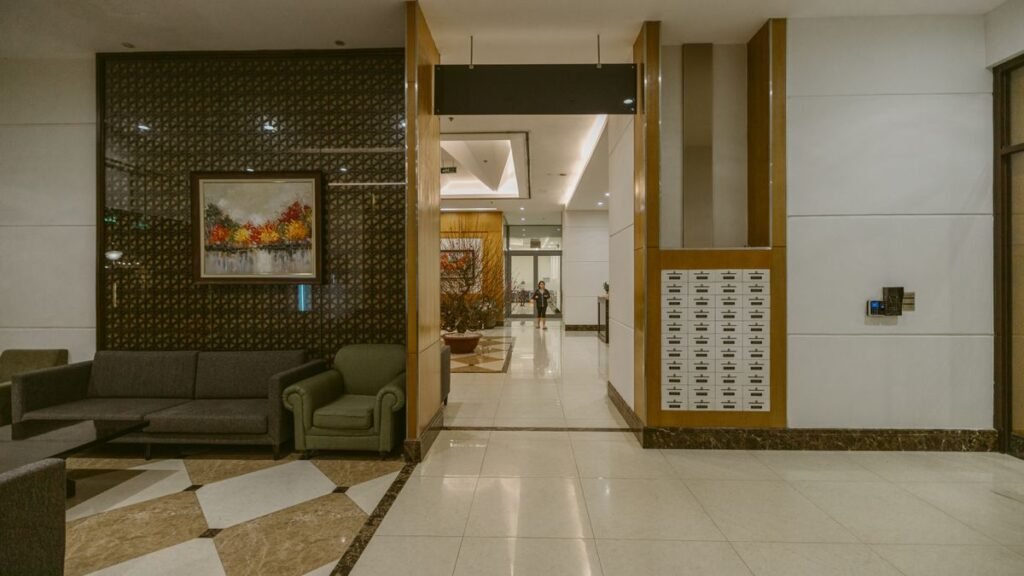
Bespoke, semi-custom, and catalogue furniture are not interchangeable, and the distinction matters enormously for your budget, your timeline, and what you can actually control. Bespoke means a piece is manufactured to a unique specification written for your project: your dimensions, your materials, your finish, your joinery detail. Semi-custom starts from a manufacturer’s existing design and modifies it, changing a size, a fabric, or a handle. Catalogue contract furniture is produced in batches to fixed specifications and sold from stock or short lead times.
The price difference between these tiers is significant, and so is the difference in what you get. If your property has non-standard room dimensions, a specific brand palette, or a design intent that relies on precise material combinations, only a genuine bespoke hospitality furniture manufacturer gives you full control over the outcome.
The scope of true bespoke manufacturing covers every fixed and loose item in a guestroom or public area. Casegoods, wardrobes, TV units, bedside cabinets, writing desks, and minibar surrounds, form the backbone of any FF&E specification. Upholstered pieces including headboards, contract seating, sofas, and ottomans require separate attention for fire compliance. Hospitality joinery covers reception counters, bar fronts, and feature wall panelling. Many genuine bespoke hotel bedroom furniture manufacturers undertake most of this work in-house, though some may use accredited sub-suppliers for specialist components, always confirm scope directly with the manufacturer before committing.
Starting right: what a strong design brief includes
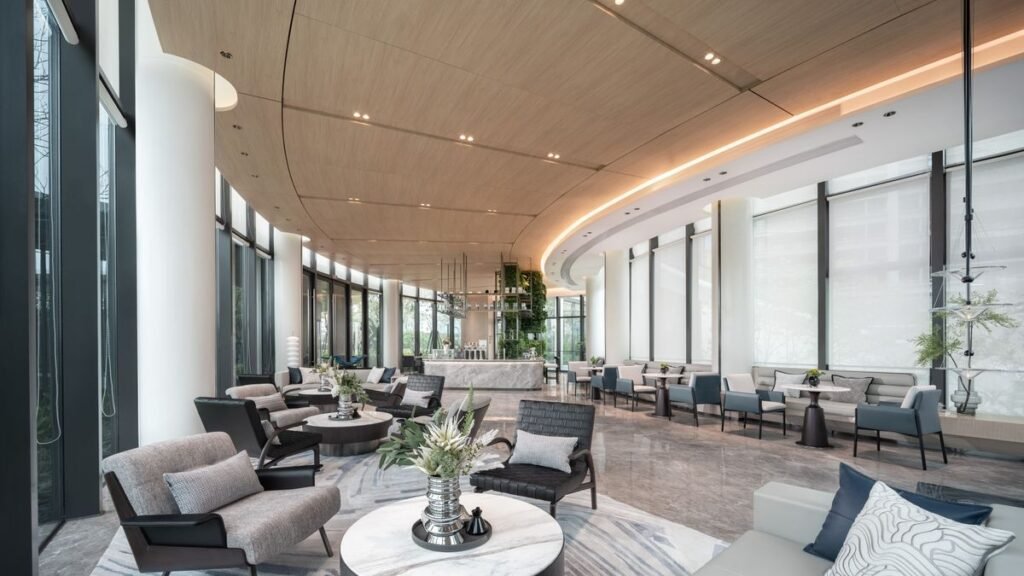
A weak brief produces inaccurate quotes, missed compliance requirements, and costly revisions mid-production. A strong brief typically contains:
- Architectural drawings with room dimensions and access constraints
- Brand standard documentation
- Finish specifications with RAL or Pantone references
- Fabric and leather grades with fire-rating requirements
- Quantity schedules broken down by room type
- A phasing plan if the project is a rolling refurbishment rather than a single build
Manufacturers who ask good questions about your brief before quoting are generally the ones worth shortlisting.
Once a manufacturer receives a complete brief, they translate it into technical manufacturing drawings and material schedules. This is where experienced custom hotel furniture makers earn their keep: they identify construction conflicts early, flag compliance gaps, and propose value-engineered solutions that preserve your design intent without inflating costs. A manufacturer who simply accepts your brief without pushing back on anything is either too eager to win the order or not experienced enough to spot the problems. Either way, it is a risk you do not want on a large-scale project.
Material selection, sampling, and the model room process
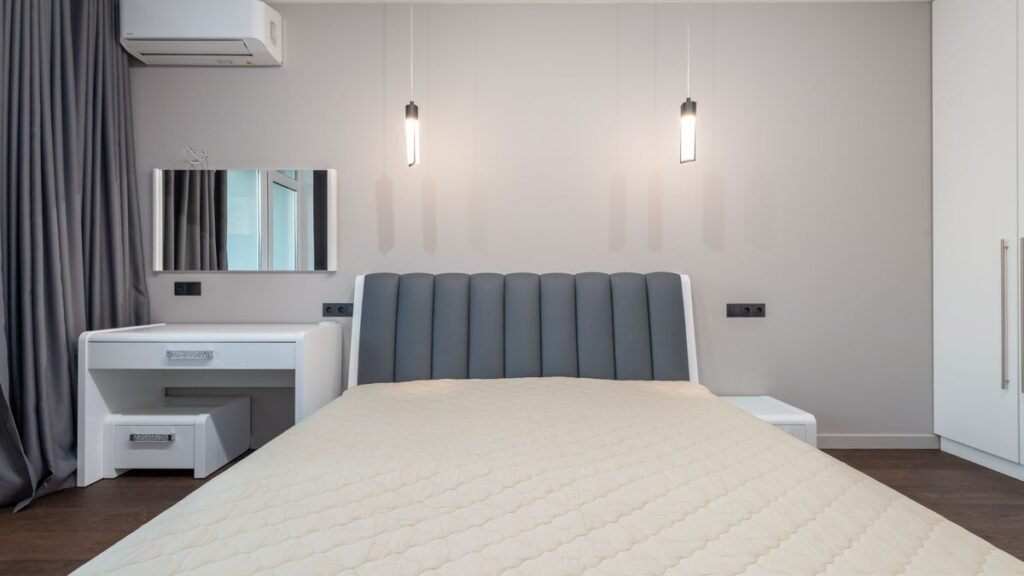
Material decisions made at brief stage cascade through compliance, lead times, and cost in ways that catch many buyers off guard. Solid hardwood construction carries different lead times and joinery techniques compared to engineered board with veneer.
Upholstery and compliance from the start
Upholstery grades for contract use must meet fire-ignition standards by default; specifying a fabric that has not been tested to BS 7176 creates a compliance problem that can only be resolved by re-sourcing or re-testing, both of which cost time. Experienced manufacturers steer you towards materials that meet your brief and your deadlines simultaneously, rather than letting you specify something that will stall production weeks in.
The model room sign-off process
Before full production begins on a large hotel project, the right manufacturing partner produces a model room: a physical prototype of the complete guestroom fit-out, built to full specification, for client review and sign-off. This is where finishes are checked under real lighting conditions, dimensions are confirmed against room drawings, and any construction issues are corrected before they are multiplied across hundreds of rooms. The sign-off process typically involves the designer, the owner or investor, the brand or operator, the contractor, and the procurement team, each confirming the prototype matches their requirements before bulk orders are released.
Manufacturers working at scale on major hospitality projects treat this stage as non-negotiable, it is an established standard practice across serious hotel casegoods manufacturers and project teams. When evaluating any potential partner, ask specifically how they manage prototype sign-off and what their model room timeline looks like. YM Furniture, for example, targets a model room customisation cycle of around 20 days, reflecting both production capacity and the project management rigour that large-scale hospitality clients expect. Vague answers to that question from any manufacturer reveal a great deal about their process maturity.
Production, lead times, and planning your project timeline
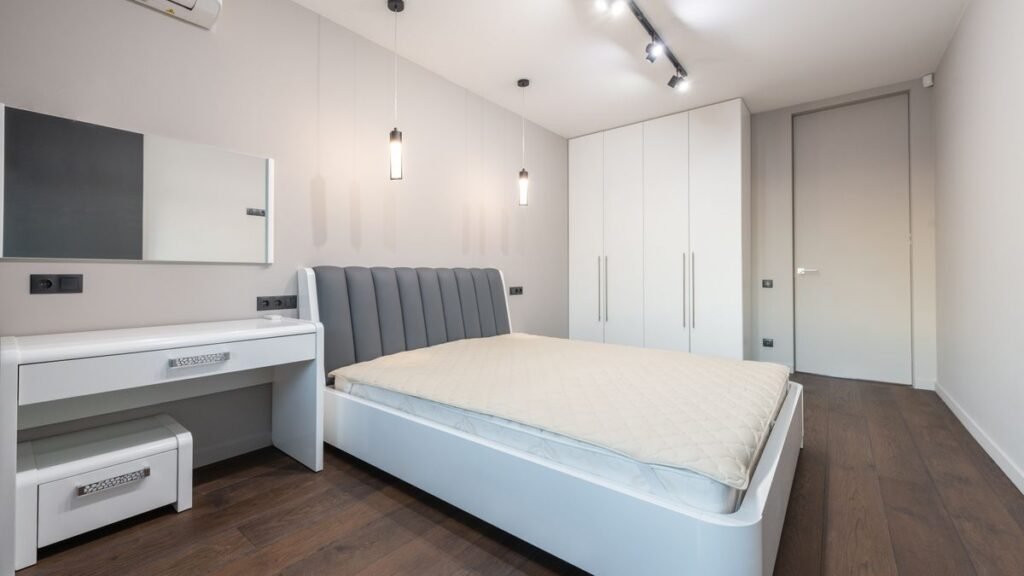
UK-based bespoke hotel furniture suppliers typically quote six to twelve weeks from design approval to delivery for standard projects. Complex specifications, phased material sourcing, or large quantity schedules can extend this to eight to sixteen weeks, and full hotel refurbishments with multiple room types sometimes run to three to six months across production phases.
Why early appointment matters
You need to appoint your manufacturing partner well before your main contractor expects furniture on-site. Leaving furniture procurement to the final quarter of a project programme is one of the most common and costly mistakes in hospitality FF&E. It forces manufacturers to rush production, reduces your ability to review prototypes properly, and eliminates any buffer for compliance testing or freight delays. The earlier you appoint a partner, the more control you retain over the outcome.
Minimum order quantities and batch planning
There is no single minimum order quantity standard across UK manufacturers. Some accept small bespoke runs with no formal minimum, though a surcharge may apply. Others set a per-design minimum of two to three units for complex artisanal pieces, and larger factory-based manufacturers may work with volumes of ten to two hundred units depending on the design. For large-scale hotel FF&E rollouts, batch planning matters more than MOQ: structuring purchase orders in batches aligned to floor-by-floor or wing-by-wing delivery improves both production efficiency and freight scheduling. Discuss batch structure with any manufacturer before agreeing a quote, and confirm whether pricing changes for smaller or larger runs.
Compliance standards every manufacturer must meet
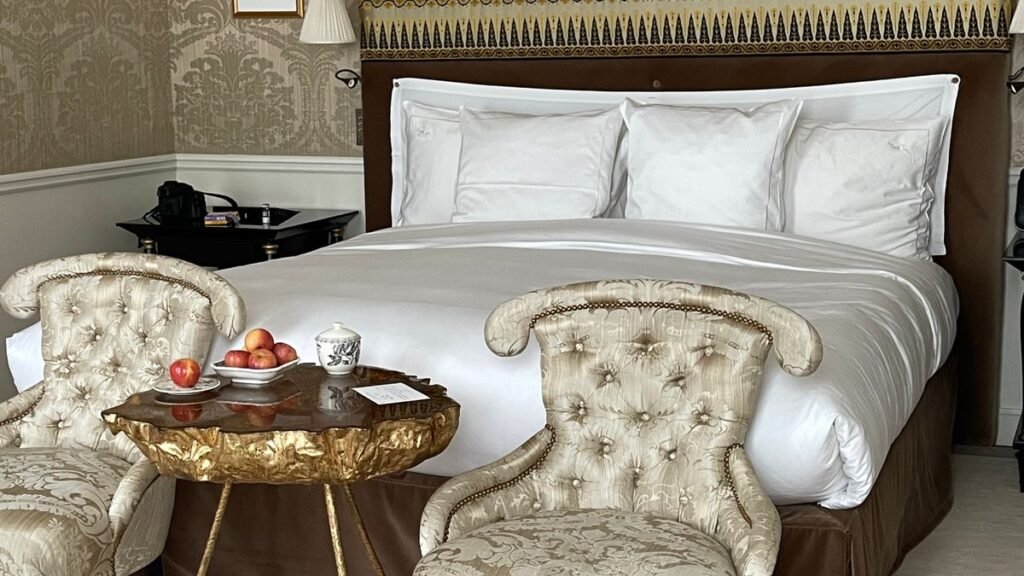
Hotel furniture in the UK is subject to specific fire safety standards that differ from domestic furniture requirements, and the distinctions matter enormously for procurement. Upholstered seating, chairs, sofas, and lounge pieces, must meet BS 7176, the British Standard for non-domestic upholstered furniture. Mattresses, divans, and upholstered bed bases fall under BS 7177. In European markets, EN 1021-1 and EN 1021-2 are the relevant ignition-resistance standards for seating. Curtains and drapes in hotel bedrooms are typically specified to BS 5867 Part 2 Type B, the higher-hazard classification that applies to medium-risk accommodation.
A manufacturer who cannot differentiate between these standards by product type is not a specialist in contract hospitality furniture, regardless of what their marketing says. The Furniture and Furnishings (Fire) (Safety) Regulations 1988 require that filling materials, upholstery composites, and cover fabrics each meet prescribed tests, and that new upholstered furniture generally carries permanent compliance labelling, though mattresses and certain bed bases are treated differently under the regulations (see GOV.UK guidance for the current scope of requirements). Component-level evidence is not optional; it is a procurement requirement.
Structural performance standards
Structural performance matters alongside fire safety, particularly for seating subject to high-occupancy, high-frequency use. EN 16139 is the primary standard for non-domestic seating strength, durability, and safety. For beds and mattresses, EN 1725 covers safety requirements and test methods. Manufacturers demonstrate compliance through independent test certificates from accredited laboratories, component-level evidence covering fillings, fabrics, and interliners separately, and permanent compliance labelling on finished items. When requesting compliance documentation, verify that test certificates match the specific hazard classification for your property type, not just generic domestic or residential use.
Request compliance documentation at the quotation stage, not after production. A credible bespoke hospitality furniture manufacturer provides test report references for their standard materials and flags where bespoke specifications require additional testing. Red flags include manufacturers who promise compliance without being able to name the specific standards by product type, or who cannot provide third-party test certificates. If you are importing furniture from an overseas manufacturer, confirm that their test certifications are accepted in the UK market and that relevant flammability standards align with UK requirements.
Installation, logistics, and on-site services
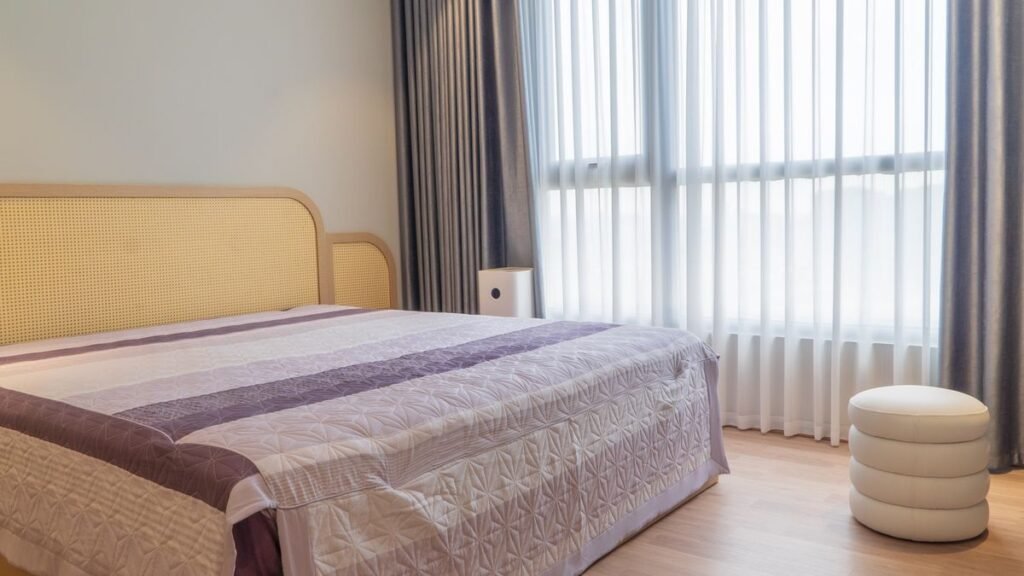
A genuine project partner does not hand over crates at a loading bay and consider the job done. UK contract furniture specialists with hospitality experience typically provide site surveys before manufacture begins, confirming access routes, doorway widths, lift dimensions, and fixing points that affect how pieces are built and transported. Getting this information before production, not during installation, prevents costly last-minute modifications and delays.
Project management covers delivery scheduling, coordination with other trades, and warehouse management for phased rollouts. On-site installation includes assembly, wall-fixing, and room-by-room delivery sequencing designed to keep as many guestrooms operational as possible during refurbishment. Manufacturers with experience in live hotel environments understand that every night a room is offline has a direct commercial cost for the operator; their installation planning should reflect that understanding.
The process is not finished until a formal snagging check has been completed. This means a room-by-room inspection against the original specification, a punch-list of any items requiring remedial attention, and a clear schedule for rectification work. Manufacturers who leave site without completing a snagging process put the burden of identifying defects onto the client or main contractor, which creates disputes and delays. Ask any manufacturer to walk you through their standard snagging process and who on their team is responsible for it. Post-install support, including in-situ reupholstery, rework, or replacement of damaged components, should be defined clearly in your contract before production begins.
Cost benchmarks: what bespoke hotel furniture really costs
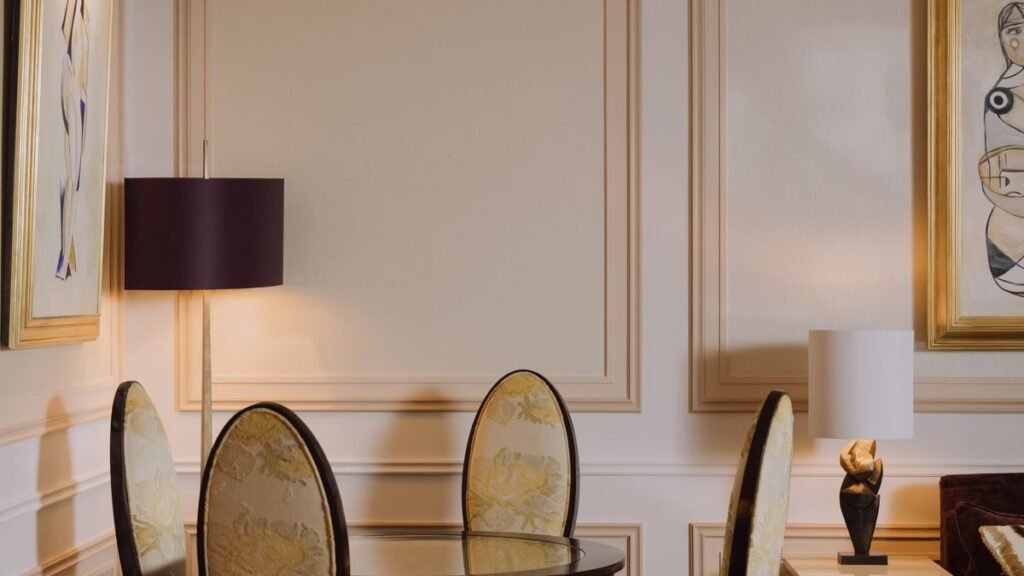
Budget context for FF&E planning is rarely discussed openly in the industry, which leads to poorly calibrated briefs and difficult conversations later. The figures below are working benchmarks drawn from UK market data for 2026; actual pricing depends heavily on quantities, material selections, and the extent of on-site installation included.
- Mass-produced / budget hotel furniture: approximately £400 to £800 per room for casegoods, beds, and seating combined, with limited customisation options.
- Semi-bespoke or mid-range commercial specifications: approximately £800 to £2,000 per room, reflecting upgraded materials, partial millwork, and more design coordination.
- True bespoke, luxury-grade specifications:typically £2,000 to £5,000 per room and above for four-star and five-star properties with fully custom casegoods, premium finishes, and tailored joinery.
For total FF&E per key across an entire property, UK 2026 benchmarks range from approximately £8,000 to £14,000 for mid-market hotels, £22,000 to £35,000 for upscale properties, and £55,000 to £90,000 for luxury positioning. Furniture is a significant component within those totals. For individual pieces, bespoke bed frames start around £850 to £1,500 for standard constructions and can exceed £5,500 for complex upholstered or storage-integrated designs.
For developers and procurement teams running large-scale FF&E programmes, factory-direct sourcing from a specialist overseas manufacturer is a route worth evaluating alongside UK-based suppliers. YM Furniture, which has executed bespoke projects for globally recognised hotel brands and operates from a large production facility in Foshan, China (reported at approximately 70,000 m²), offers factory-direct pricing that can reduce unit costs meaningfully on large orders, though buyers should factor in ocean freight lead times of 25 to 40 days, import documentation, and the need to verify that UK-specific compliance certifications are in place. For procurement teams with experience importing FF&E from Asia, it is a well-established route on multi-property rollouts when managed with appropriate project oversight.
Choosing a bespoke hotel furniture manufacturer: questions to ask before you appoint
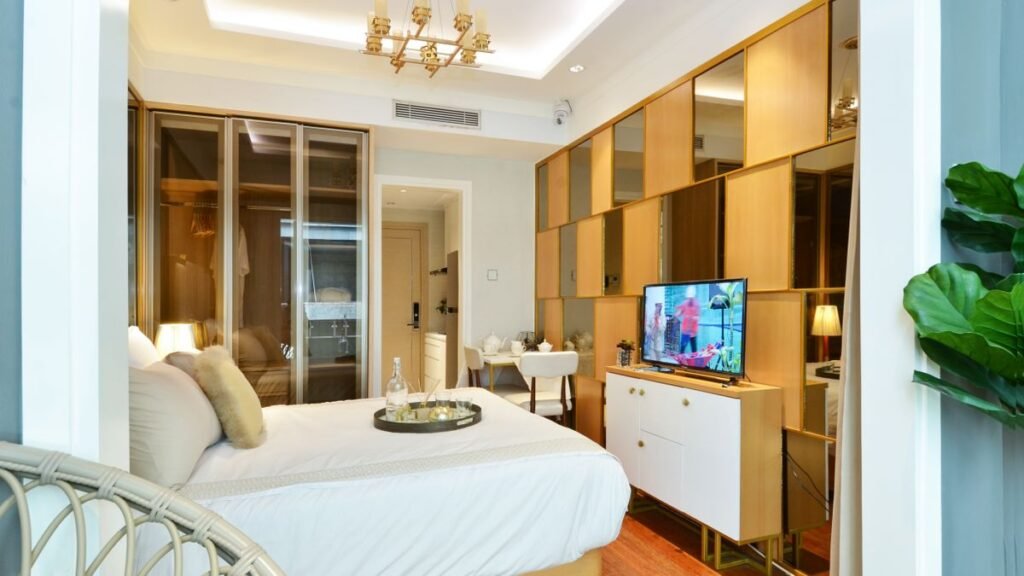
Before committing to any bespoke hotel furniture manufacturer, specific questions reveal whether their capability matches your project. On capacity and track record: how many guestrooms have you manufactured for in a single project, and can you provide references at that scale? Do you have in-house designers who can work from our brand standards, or do you require a completed specification before you engage? Can you show hospitality case studies comparable in scope, style, and timeline to our project? Strong manufacturers answer these questions with specifics, not generalities.
On compliance and quality, the questions are equally direct. Which fire and durability standards do your products meet by product type, and can you provide independent test certificates for each? Are you ISO certified, and which standards apply to your production environment and quality management processes? How do you handle material substitutions if a specified fabric or component becomes unavailable during production? The answers reveal how systematically a manufacturer manages quality, not just whether they claim to prioritise it. As a point of reference, YM Furniture holds ISO 9001, ISO 14001, and ISO 45001 certifications, covering quality management, environmental management, and occupational health and safety, the kind of documented system that gives procurement teams a verifiable baseline rather than a marketing claim.
On timelines, delivery, and aftercare: what is your current production schedule, and what lead time can you commit to from design approval for our brief? How do you manage phased delivery for an operational hotel that cannot take all rooms offline simultaneously? What does your snagging process look like in practice, and who from your team is on-site to sign off each phase? The answers to these questions determine whether you are appointing a genuine project partner or a furniture supplier who hands off responsibility at the point of dispatch, and that distinction often determines whether a hotel opens smoothly or faces a disputed handover.
Choosing the right partner for your project
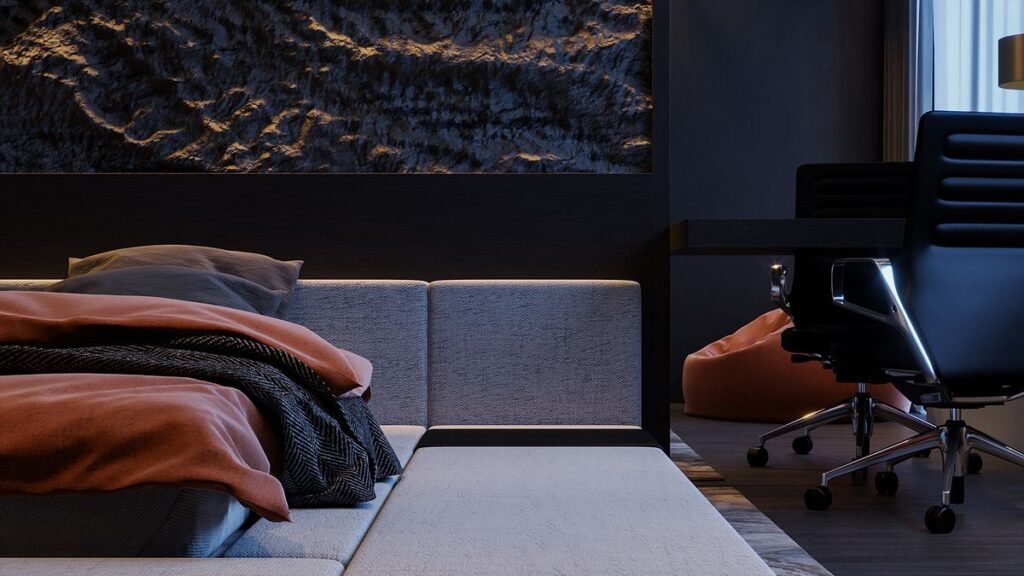
A genuine bespoke hotel furniture manufacturer is a project partner across every stage: brief, specification, production, compliance, delivery, and snagging. Understanding the end-to-end process means you can hold any manufacturer accountable against clear benchmarks, from a defined model room turnaround to third-party fire test certificates that match the specific standards your property requires.
Whether you are shortlisting UK-based contract furniture specialists or evaluating a factory-direct manufacturer like YM Furniture for a large-scale FF&E programme, the framework in this guide applies universally. The questions above are designed to separate manufacturers who can actually deliver from those who simply present well in a pitch meeting. Use them consistently, request documentation rather than assurances, and treat any manufacturer who cannot answer them with specifics as a risk your project does not need.
Your guestrooms reflect your brand standard, and the bespoke hotel furniture manufacturer you choose determines whether that standard is consistently met.