Many buyers looking to purchase hotel furniture wholesale end up paying distributor markups without realizing it. The term “wholesale” gets used loosely in the hospitality furniture industry, applied equally to manufacturers, trading companies, and domestic distributors, all of whom operate on very different cost structures. For Canadian developers, FF&E managers, and hospitality procurement teams, that confusion translates directly into budget overruns and margin compression on projects where every dollar matters.
This guide pulls from real MOQ thresholds, CAD pricing benchmarks, and import cost data relevant to Canadian hospitality buyers. By the time you finish reading, you’ll know how bulk pricing tiers actually work, how to identify a genuine factory-direct source, what to budget for a standard guestroom or lobby order, and how to use a practical checklist to start procurement. No filler. No vague advice. Just a clear framework you can act on.
What hotel furniture wholesale actually means
The word “wholesale” in this industry doesn’t simply mean cheaper than retail. It refers to a specific supply chain relationship: a buyer purchasing directly from a manufacturer or authorized wholesale distributor, bypassing at least one layer of retail markup. The distinction matters because the savings ceiling you can realistically reach depends entirely on where in the supply chain you’re actually buying.
The difference between wholesale, trade, and contract pricing
Trade pricing is a common discount structure in the North American contract hospitality furniture market. Suppliers offer a fixed percentage off their manufacturer’s suggested retail price (MSRP) to verified buyers such as interior designers, FF&E consultants, and hotel developers. It’s accessible, but it’s not the deepest tier available. Contract pricing is project-specific and negotiated, typically unlocked at higher volume thresholds, often 50 or more rooms or a defined total dollar commitment. True wholesale pricing, as it applies to direct manufacturer sourcing, is reserved for buyers who engage with the production source directly, not through a showroom or distribution arm.
The practical problem is that wholesale and trade pricing can look identical on paper. A domestic distributor calling their pricing “wholesale” may still be working from a factory cost they marked up 20 to 40 percent before offering you a “discount.” Understanding the terminology doesn’t protect you; understanding the supply chain model does.
How hospitality wholesale pricing tiers work in practice
Most manufacturers structure their pricing across volume tiers. The entry tier covers small-batch orders of 10 to 20 units, where the discount from MSRP is modest and often equivalent to standard trade pricing. A mid-volume tier, covering 50 to 100 units per SKU, is where meaningful savings begin. The factory-direct tier, orders covering large multi-room rollouts, typically 50 to 200-plus rooms depending on factory and SKU, is where pricing reflects actual production cost plus margin, and the difference from retail can be substantial. The exact threshold varies by supplier, so confirming tier breakpoints early in your conversations is worth the effort.
The tier you land in determines whether the logistics complexity of bulk procurement is actually worth it. A 20-unit order rarely justifies the overhead of an overseas engagement, particularly once freight, duty, and customs clearance are factored into the landed cost. A 200-room development is a completely different conversation.
Hotel furniture wholesale: Factory-direct manufacturer vs. middleman distributor
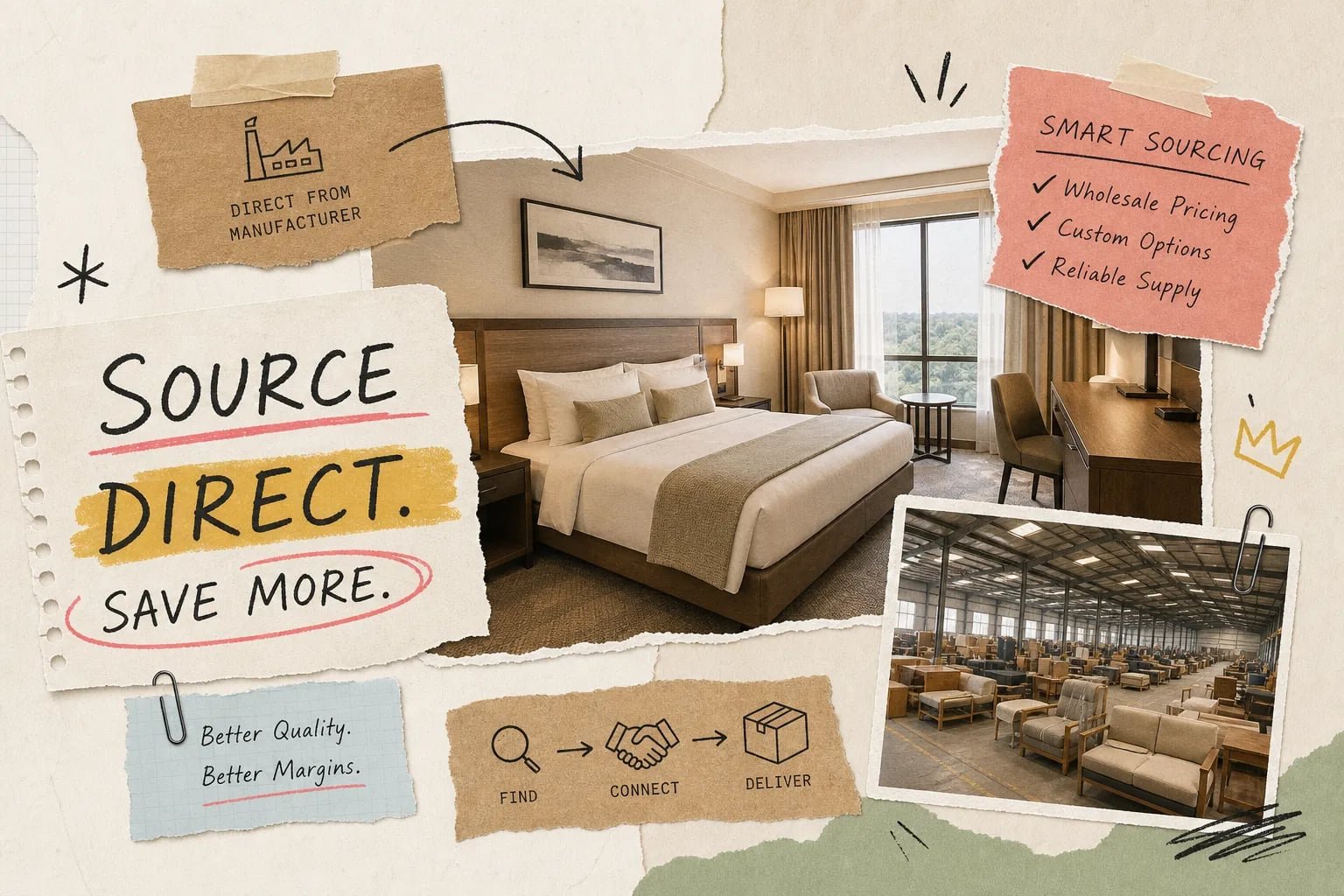
The single most important question you can ask any supplier is: do you manufacture this, or do you source it? A surprising number of companies present themselves with factory-like language, production timelines, floor plans, certifications, while actually functioning as trading companies that place orders with third-party factories. The markup from that arrangement gets absorbed into your quote without disclosure.
What a true factory-direct manufacturer looks like
A genuine manufacturer owns and operates its own production facility. It can provide factory audit documentation, ISO quality certifications, and verifiable production capacity. Critically, it can demonstrate a hospitality-specific track record: named completed projects, brand references, and delivery history across multiple properties. These are things a distributor simply cannot produce.
YM Furniture (Foshan Yauming Furniture & Construction Co., Ltd.) is a useful benchmark for what a verifiable factory-direct manufacturer looks like. The company brings 17 years of exclusive hospitality manufacturing experience and operates a 70,000 sq m production facility, with ISO 9001, ISO 14001, and ISO 45001 certifications. It also carries over 1,000 completed hotel projects with brand references including Marriott, Sheraton, and Pullman, the kind of paper trail a distributor cannot replicate, and exactly the documentation a serious procurement process should require from every supplier on a shortlist.
Red flags that signal a middleman, not a manufacturer
Watch for these patterns when vetting suppliers for commercial hotel furnishings:
- No physical factory address, or reluctance to allow a third-party audit
- Lead times quoted in weeks when custom hospitality furniture realistically takes months
- Catalog prices that shift significantly depending on who’s asking
- No certifications beyond a self-issued quality assurance document
- Inability to produce test reports, fire-safety certificates, or durability data for specific SKUs
Any supplier that checks more than one of those boxes warrants closer scrutiny before you advance them in the process. As a baseline, ask each candidate for a verifiable factory address, two confirmed hospitality project references, and copies of current certifications before scheduling any further conversations.
Why this distinction directly affects your project cost
A distributor buys from the factory and resells with a margin. That margin typically runs 20 to 40 percent on top of factory price, sometimes higher on specialty or custom items, and represents an illustrative range rather than a fixed industry standard. Buying factory-direct removes that layer entirely. On a 100-room hotel project, that markup difference routinely represents tens of thousands of dollars on the furniture line alone. That’s not a rounding error; it’s a meaningful portion of your FF&E budget.
MOQ expectations for bulk contract furniture orders
Minimum order quantities in the contract hospitality market vary more than most buyers expect. Understanding where the thresholds sit helps you determine which sourcing model fits your project scale before you spend time on supplier conversations that won’t go anywhere.
Standard collection MOQs: what most manufacturers will quote
For catalogue or in-production hotel furniture collections, most contract manufacturers set a minimum of 10 to 30 units per style or SKU. Some suppliers accept as few as 12 units per piece on standard items; others set 20 to 50 units as their floor, particularly for upholstered seating where setup and material waste make small runs uneconomical. At these volumes, production lead times of 4 to 12 weeks are realistic before shipping.
Custom order MOQs: when design specifications are involved
Custom programs, where the buyer specifies dimensions, materials, finishes, or proprietary design elements, typically require 50 to 100 or more units per item, or are framed as a minimum room count of 10 to 20 rooms or 100-plus total pieces. The end-to-end timeline stretches accordingly: design sign-off, sample approval, production, ocean freight, and customs clearance together typically run 4 to 9 months depending on complexity and origin country.
One capability worth confirming with any factory you’re evaluating is model room lead time. YM Furniture’s published 20-day model room delivery lets developers verify the full design intent before committing to full production, a meaningful advantage when you’re managing a project schedule with interdependent trades. Confirm current lead times directly with the factory, as timelines can vary by season and production load.
How your total project scope changes the conversation
A 200-room hotel development changes every MOQ conversation. At that volume, most factory-direct manufacturers will accept lower per-SKU minimums because the total order value justifies the setup costs, a project of that size might carry 8 to 12 distinct furniture SKUs, each negotiated as part of a consolidated package. Smaller projects under 50 rooms generally have better success sourcing from North American wholesalers with domestic stock, accepting less customization in exchange for shorter lead times and no import logistics to manage.
Bulk pricing ranges for guestroom and lobby furnishings
Building an accurate FF&E budget requires real numbers, not placeholder ranges. The benchmarks below reflect both Canadian domestic wholesale hotel furniture pricing and factory-direct pricing from Asia, so you can build a working comparison before you issue your first RFQ.
Per-unit benchmarks for standard guestroom furniture
Contract hotel bed frames from Canadian wholesale suppliers typically range from CAD $999 to $1,499 per unit at published hospitality pricing. Nightstands run approximately CAD $800 to $1,000 per unit from Canadian contract suppliers; one widely referenced Canadian hospitality listing prices a standard nightstand at $859. Factory-direct pricing from a China-based manufacturer on equivalent-spec items is commonly 25 to 40 percent lower per unit at comparable specifications, with the gap widening on custom or heavily specified pieces where volume and design complexity are both in play.
For a 100-room guestroom package, China factory-direct ex-factory pricing typically runs USD $2,200 to $4,500 per room for standard hotel furniture. Once landed in Canada, factoring in freight, import duty, and customs clearance, that figure adjusts to roughly USD $2,640 to $6,525 per room. Canadian domestic wholesale hotel furniture pricing for equivalent spec generally sits above that landed figure by 20 to 45 percent, depending on the wholesaler’s margin structure and the complexity of the items being compared.
Lounge seating and lobby casegoods: more variable pricing
Lounge seating for hotel lobbies and common areas ranges from CAD $1,000 to $5,000-plus per piece, depending on frame construction, fabric grade, and whether the item is stock or custom. Lobby casegoods, including reception desks, console tables, and storage units, are almost always project-quoted, with a wide CAD $500 to $2,500-plus range per piece driven by millwork and material complexity. Suppliers that offer value engineering on spec can typically reduce FF&E costs by 15 to 25 percent without dropping the quality tier.
Where factory-direct pricing becomes worth the logistics investment
The realistic savings threshold where factory-direct sourcing becomes worth the logistics complexity is typically at 50 or more rooms or a total furniture budget above CAD $150,000. Below that threshold, the freight, duty, customs clearance, and project management overhead can erode the unit-price savings enough that domestic options become genuinely competitive on a total landed-cost basis.
Hotel furniture wholesale: Shipping, import costs, and lead times for Canadian buyers
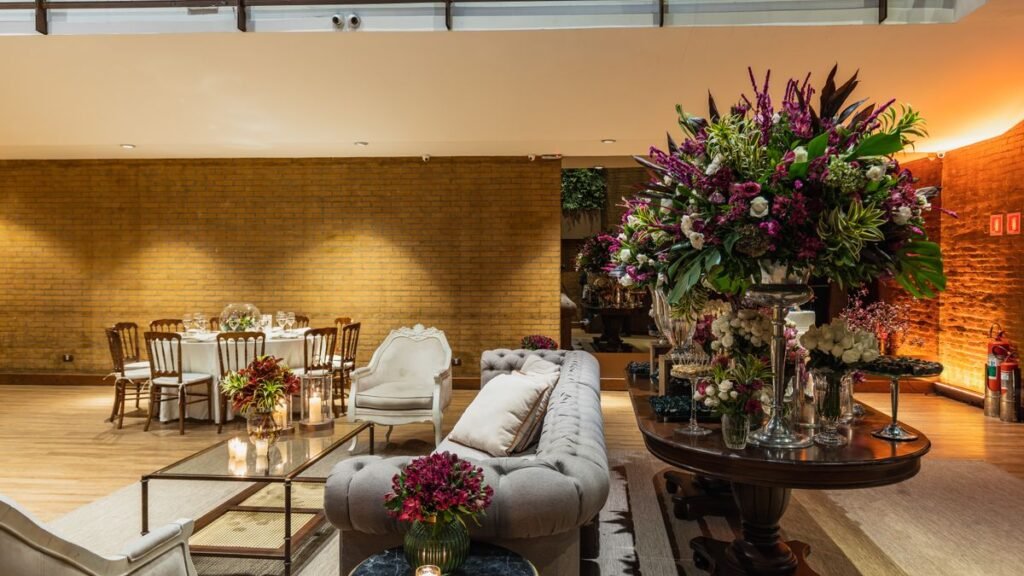
Landed cost is the only number that matters when comparing suppliers across different sourcing models. Unit price without freight, duty, and customs clearance is an incomplete picture, and for larger orders, it can be a misleading one.
Lead time reality for standard and custom orders
Standard collection items shipped from Asia require 4 to 12 weeks of production plus 3 to 6 weeks of ocean freight, depending on port of destination and container availability. For a Canadian west coast port like Vancouver, ocean transit from a Chinese port typically runs 14 to 22 days port-to-port once the container is loaded. Custom orders require factoring in 4 to 9 months end-to-end from signed purchase order to on-site delivery, including design, sampling, production, and customs clearance. North American domestic suppliers typically deliver standard stock in 4 to 10 weeks and custom programs in 12 to 16 weeks, with no import clearance delay to manage.
Freight and logistics cost breakdown from Asia to Canada
Ocean freight for a standard 40-foot container from China to a Canadian west coast port runs approximately CAD $2,500 to $5,000, plus port and customs charges of CAD $800 to $2,500, plus inland trucking of CAD $400 to $800. A realistic total landed logistics cost per container from Asia sits in the CAD $3,500 to $8,300-plus range before import duty. From the US to Canada by truck, smaller furniture loads typically run CAD $1,200 to $4,000; larger full loads can reach CAD $7,000 to $12,000-plus.
Import duty and tax reality for furniture entering Canada
Canadian duty rates vary by HS code and material. Wooden hotel casegoods classified under HS 9403 attract a 9.5% MFN tariff rate in 2026. Upholstered seating under HS 9401.61 also carries a 9.5% MFN rate, though exact classification matters and a licensed customs broker should confirm the applicable subheading for your specific items. One additional factor requires attention: CBSA’s 2026 SIMA measures include an anti-dumping duty of 188% on certain China-origin upholstered domestic seating. Whether your commercial hotel seating falls within the covered scope depends on its HS classification and intended use, so confirm this with your customs broker before finalizing landed cost projections. GST at 5% applies on top of customs value plus duty, and provincial sales tax applies depending on destination province. For a large hotel furniture import from China, duty and GST together can add 10 to 15 percent to the customs value.
Certifications and quality standards to require before you sign
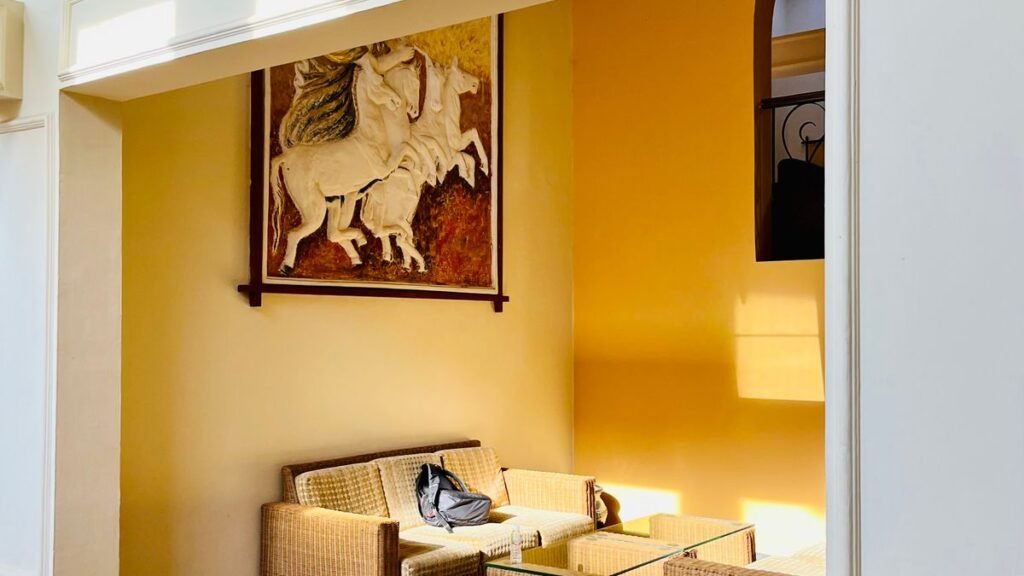
Requesting a certification list from a supplier is easy. Knowing what each document actually validates, and what gaps to watch for, is what separates a rigorous procurement process from one that produces surprises during installation or a future insurance claim.
Durability and structural testing standards
For lounge and public seating, request an ANSI/BIFMA X5.4 test report. For guestroom desks and tables, ask for ANSI/BIFMA X5.5. Storage units and casegoods should come with ANSI/BIFMA X5.9 documentation. If the supplier tests to European contract protocols, EN 16139 for non-domestic seating is an acceptable equivalent for lounge and public-use pieces.
For upholstery fabric, require a Martindale or Wyzenbeek abrasion report with the exact fabric code and cycle count shown on the certificate. Heavy-use hospitality pieces are typically specified at 50,000-plus double rubs; high-traffic lobby seating often runs 100,000-plus. For tabletops and casegood finishes, ask for ASTM test results covering wear resistance, stain resistance, and cleaning chemical resistance.
Fire safety certificates for Canadian hotel projects
Canadian commercial occupancies require upholstered furniture assemblies to be tested to applicable fire standards. Request the test certificate for the full assembly, fabric, foam, and frame together, not just the fabric alone. A fabric-only flammability certificate does not satisfy commercial building code requirements and will not satisfy your authority having jurisdiction. Commonly requested international standards include BS 5852/BS 7176, EN 1021-1/2, and depending on the project specification, California TB 117-2013 or NFPA 260. For large surface materials involved in custom millwork pieces, confirm with your building code consultant whether ASTM E84 surface-burning tests apply to specific components.
Warranty terms and quality management documentation
A residential warranty is not acceptable for contract-grade hotel furnishings. Require a warranty document that explicitly states coverage for commercial and contract use, defines coverage terms for frames, mechanisms, finishes, and upholstery separately, and specifies the remedy: repair, replacement, or prorated credit. Also request ISO 9001 certification as evidence of the manufacturer’s formal quality management system. If low-VOC indoor air quality is a project requirement, GREENGUARD certification is the relevant document to request. If responsibly sourced wood matters to the project, ask for FSC chain-of-custody documentation.
Wholesale hotel furniture Canada: Suppliers worth shortlisting
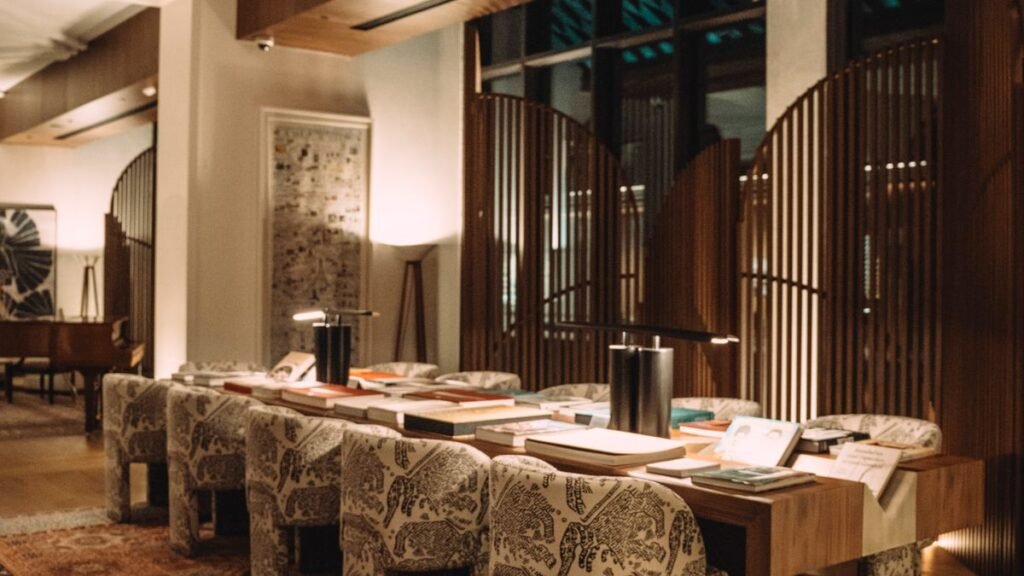
A useful shortlist for a Canadian hospitality project covers both domestic options, for projects where timeline or logistics don’t support overseas sourcing, and at least one factory-direct manufacturer for projects where the budget justifies the engagement.
Canadian-based suppliers for domestic sourcing
Several Canadian hospitality furniture suppliers serve the contract market with established track records. Artco Hospitality Furnishings has over 40 years in casegoods and upholstered hospitality furniture. Foliot Furniture is known for branded hotel guestroom programs and large rollouts. BSG Inc. produces custom wood hotel furniture for Canadian properties. Omland Hospitality and Sara Hospitality are also referenced in Canadian hospitality supplier roundups as wholesale hotel furniture sources worth contacting for project pricing.
Canadian-sourced furniture avoids import duty and cross-border logistics, but unit pricing at equivalent spec will typically run higher than factory-direct overseas pricing, especially on custom or heavily specified items. These suppliers are worth including on your shortlist for smaller projects, tight timelines, or when brand-standard compliance requires a local certification trail that’s easier to manage domestically.
Why a factory-direct global manufacturer belongs on every large-project shortlist
For hotel projects above 50 rooms or with a furniture budget above CAD $150,000, the cost math strongly favors evaluating at least one factory-direct manufacturer alongside domestic options. The savings aren’t theoretical: factory-direct procurement removes a supply chain layer that typically carries a 20 to 40 percent margin, and on a large room-count order, that compounds into a significant figure.
YM Furniture meets the documentation standard described throughout this guide on verifiable criteria. Seventeen years of hospitality-only manufacturing, 1,000-plus completed hotel projects across 30-plus countries, and documented delivery for globally recognized brands including Marriott, Sheraton, and Pullman, references that are confirmable rather than self-reported. For large-scope hotel furniture wholesale sourcing, factory-direct pricing combined with a 20-day model room capability and full project management from design through installation represents a procurement model that’s worth evaluating directly against domestic quotes.
A practical procurement checklist to start getting quotes
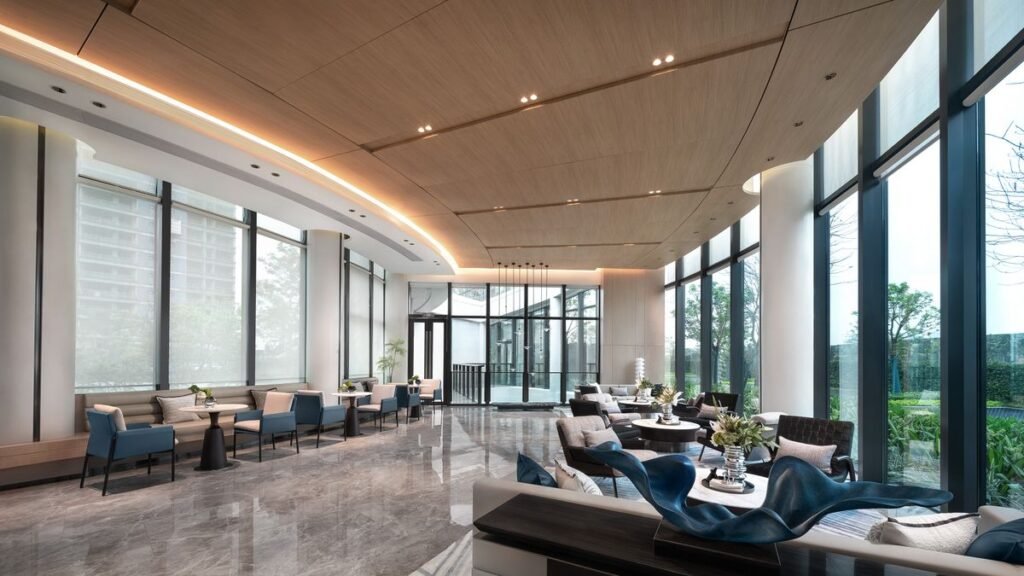
The gap between researching suppliers and actually issuing an RFQ is where most procurement processes stall. The steps below are sequenced to move you from preparation to comparable quotes as efficiently as possible.
What to prepare before you contact any supplier
Define your project scope in writing before reaching out to anyone. This means total room count, furniture categories required (guestroom casegoods, beds, lobby seating, F&B, back-of-house), target spec level (economy, midscale, upper-upscale), and any brand-standard documentation from your flag. Establish your budget range per key category and your target delivery date, working backwards from your on-site installation window. A clear project brief filters out suppliers that aren’t a fit before you’ve invested time in calls or site visits.
Prepare a technical specification sheet for the three to five most complex items on your list, custom headboards, upholstered seating, or reception desks, for example. Even a basic one-page spec with dimensions, material preferences, and finish requirements allows suppliers to quote accurately rather than giving you a placeholder range that changes after sampling.
How to evaluate and compare supplier quotes side by side
Never compare unit price alone. Build a landed cost comparison that includes unit price, freight, import duty and tax, customs clearance fees, and local delivery for each supplier. A domestic supplier with a higher unit price may land cheaper than an overseas manufacturer once all costs are added. The comparison only becomes meaningful when every cost is in the same column.
Require each supplier to provide lead time confirmed in writing, sample or model room terms, certifications (BIFMA, fire test, ISO), and a warranty document that explicitly covers commercial use. Ask for at least two verifiable hospitality project references, not just a logo wall, and confirm them before advancing any supplier to a final shortlist.
First steps to move from research to procurement
Issue an RFQ to three to five suppliers simultaneously, using the same spec sheet so quotes are directly comparable. For factory-direct manufacturers overseas, request a sample or model room agreement before committing to full production. This is standard practice in the hotel furniture trade program process, and any credible manufacturer will accommodate it. A supplier that pushes back on sampling before full production is a supplier worth questioning.
Once comparable quotes are in hand, use your landed cost worksheet to rank suppliers on total cost, not sticker price. Verify lead times against your project schedule before signing any purchase order, and confirm that certifications match your building code and brand requirements. The procurement checklist isn’t the end of the process, it’s the beginning of a much shorter one.
What to do before you issue your first RFQ
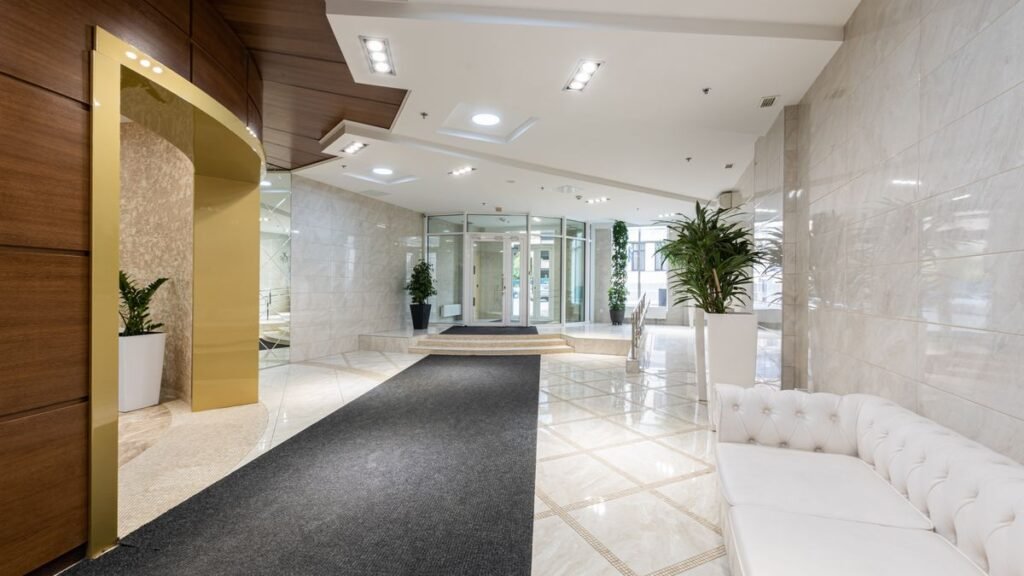
Sourcing hotel furniture wholesale at a genuine price level requires more than finding a supplier that uses the word. It requires identifying where in the supply chain that supplier actually sits, understanding what pricing tier your project volume unlocks, and building a landed cost comparison that accounts for freight, duty, and tax before any number goes into your budget. A distributor offering “wholesale pricing” and a factory-direct manufacturer are not equivalent options, and the gap between them compounds across every room in your project.
At this point, you have a framework for shortlisting suitable suppliers (including Canadian-based options), a pricing baseline for standard guestroom and lobby furnishings in CAD, and a step-by-step checklist ready to use. You also have enough context to evaluate any supplier with confidence and ask the questions that separate credible contract-grade hotel furnishings manufacturers from resellers using manufacturing language.
Take the spec sheet and checklist from this guide and issue an RFQ to a shortlist that includes at least one factory-direct manufacturer alongside any domestic options you’re considering. If your project is above 50 rooms or your furniture budget exceeds CAD $150,000, contact YM Furniture directly for a factory-direct hotel furniture wholesale quote. The comparison will clarify your numbers faster than any additional research.