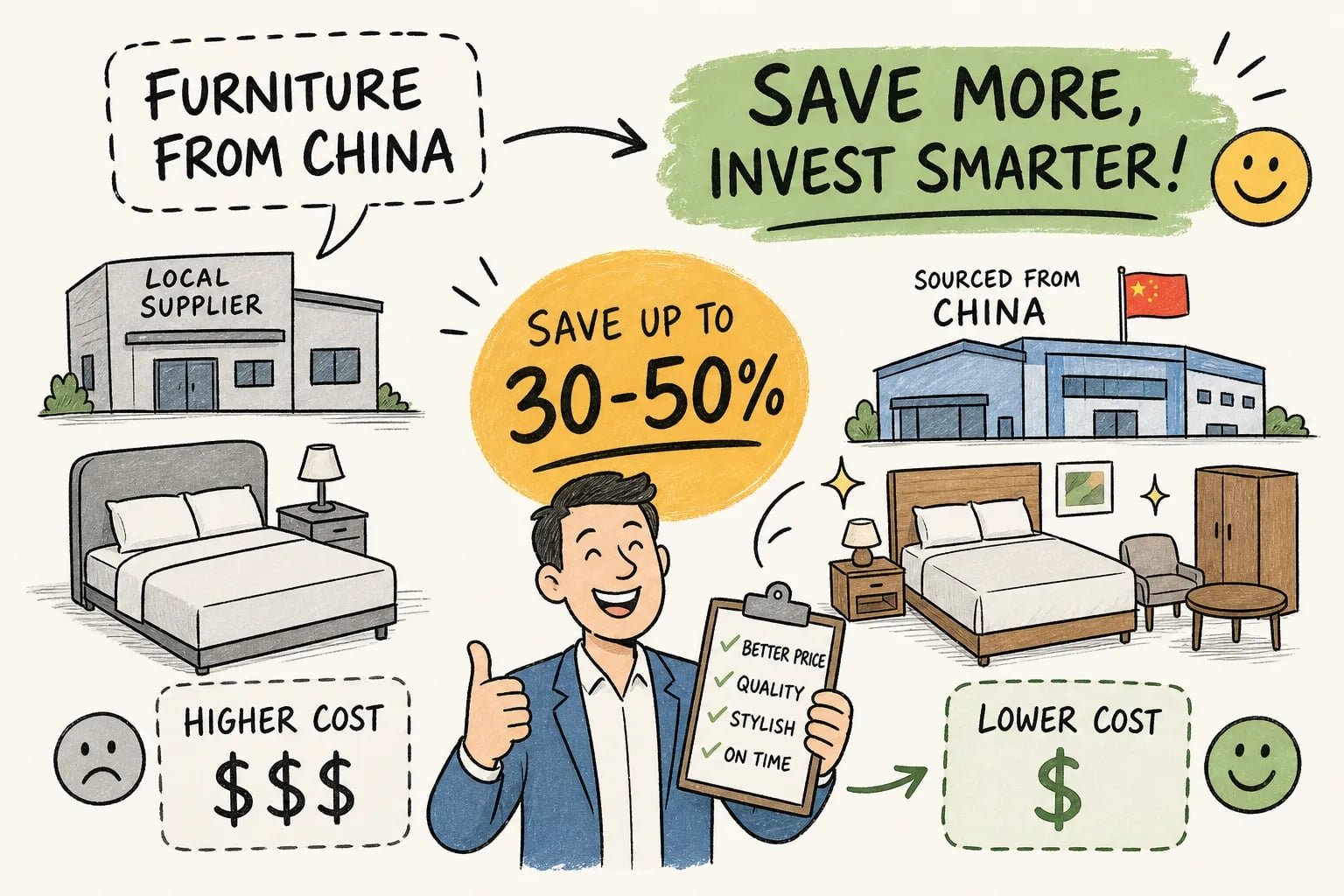
How much can you save by sourcing hotel furniture directly from China? It’s the first question every hotel developer asks when they see a factory quote from Foshan: is this real? A bed frame priced at $180 FOB. A nightstand at $45. A writing desk for $420. After years of paying US showroom prices, those numbers feel like a misprint.
They’re not. US hospitality suppliers commonly operate with markups well above factory cost, built layer by layer through importer margins, distributor fees, showroom overhead, and sales commissions. The factory price is real. What matters is what happens between that factory quote and the moment furniture lands at your hotel’s loading dock. Freight, tariffs, and customs fees eat into that gap in ways many buyers don’t fully account for before they commit.
This article works through the math in plain terms, using a 150-room 4-star hotel as the worked example throughout. By the end, you’ll have a landed-cost formula you can apply to your own FF&E budget.
The Price Gap: Chinese Factory FOB vs. US Supplier Pricing
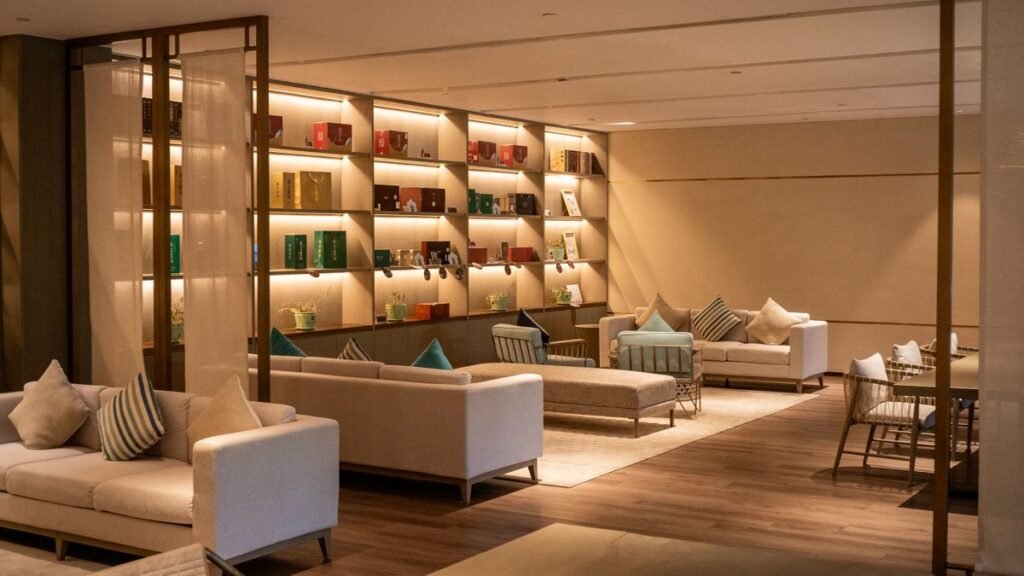
Before a single dollar of freight enters the equation, the raw price difference between a Chinese manufacturer and a US supplier is stark. The table below compares six core hotel guestroom items at factory FOB pricing from Guangdong versus equivalent US supplier pricing for mid-grade commercial specifications. Each China FOB column shows a low-end and high-end range across the typical mid-grade specification band.
| Item | China Factory FOB Low (2026) | China Factory FOB High (2026) | US Supplier Low | US Supplier High |
|---|---|---|---|---|
| Bed frame | $120 | $350 | $300 | $900+ |
| Nightstand | $20 | $80 | $80 | $250+ |
| Dresser / casegood | $80 | $250 | $200 | $600+ |
| Writing desk | $350 | $850 | $700 | $1,800+ |
| Lounge chair | $250 | $400 | $300 | $800+ |
| Mirror | $30 | $90 | $80 | $250+ |
The gap at the item level runs 2x to 3x in the factory’s favor before any shipping cost is added. That spread is not primarily a quality premium on the US side. It’s a distribution cost. US hospitality pricing typically reflects multiple supply chain layers, importer, distributor, showroom, and sales representative, each adding a significant margin on top of the previous level. Factory-direct sourcing eliminates most of those intermediary layers, specifically the distributor, showroom, and sales representative tiers. Note that importation functions such as a customs broker, freight forwarder, and importer of record are still required even when sourcing factory-direct, and those costs must be built into your landed-cost model.
At the per-room level, this gap becomes the real story. A fully furnished 4-star guestroom priced through US showroom channels typically runs $3,500, $6,000+ for mid-grade commercial pieces (illustrative estimate based on the item ranges above). The same specification sourced factory-direct from China lands at $800, $1,800 FOB before any shipping costs. That delta is where the project economics live.
How Much Can You Save by Sourcing Hotel Furniture Directly from China, Building a Complete Landed Cost

FOB price is only the starting number. To compare fairly, add every cost between the factory gate and your hotel site. The line items below account for each cost layer buyers commonly underestimate.
Ocean Freight from Guangdong to US Ports
In 2026, a 40HQ container from Guangdong to West Coast ports runs $2,800, $5,500. East Coast ports like Savannah and Norfolk typically run $3,400, $7,000. A 40HQ holds furnishings for approximately 25, 40 guestrooms depending on piece count and packing density, putting your per-room freight allocation at $100, $200. That’s a meaningful but manageable number in the context of total per-room savings.
DDP vs. FOB: Which Shipping Terms Should You Use?
Most China furniture transactions are quoted FOB (Free On Board), meaning the factory’s obligation ends when goods are loaded at the origin port. You bear all freight, insurance, customs, and delivery costs from that point. DDP (Delivered Duty Paid) shifts all of those costs and responsibilities to the seller, including tariffs and last-mile delivery. DDP quotes are simpler to compare but typically carry a premium, and you lose visibility into the individual cost components. For hotel FF&E projects, FOB is generally preferred because it lets your customs broker and freight forwarder optimize the logistics, and you maintain direct control over duty classification, which matters considerably given the Section 301 complexity discussed below.
Tariffs, Duties, and Section 301 in 2026
Most hotel furniture falls under HTS Chapter 94, and many lines carry 0% base duty under MFN rates. Wooden bedroom furniture (HTS 9403.50) and metal furniture (HTS 9403.20) are commonly duty-free. However, Section 301 tariffs add 25% on upholstered wooden furniture, covering sofas, upholstered bed frames, and padded seating. An additional forced-labor Section 301 action has applied to certain covered China-origin goods, potentially bringing the combined rate to 37.5% on affected upholstered items. Confirm current rates with your customs broker before finalizing your cost model, as USTR guidance on these rates can change. Mirrors (HTS 7009.92.5000) carry a separate 6.5% base duty. Classify each SKU before production begins, not after.
Customs Fees, Insurance, and Port Charges
These line items are consistently underestimated. Budget customs broker fees at $75, $200 per entry, ISF filing at $25, $50, and marine cargo insurance at 0.5%, 1% of declared cargo value. Inland drayage from port to your hotel site runs $700, $1,200 all-in from Los Angeles and $520, $620 from Savannah for a 40HQ, depending on distance and accessorials. Demurrage, if containers aren’t cleared within the 3, 5 free days most ports allow, runs $150, $300 per container per day and escalates through tiered penalty rates. Add a 10% contingency on top of your total to cover unforeseen port fees and accessorials before you present a number to ownership.
150-Room Example: How Much You Can Save When You Source Hotel Furniture Directly from China
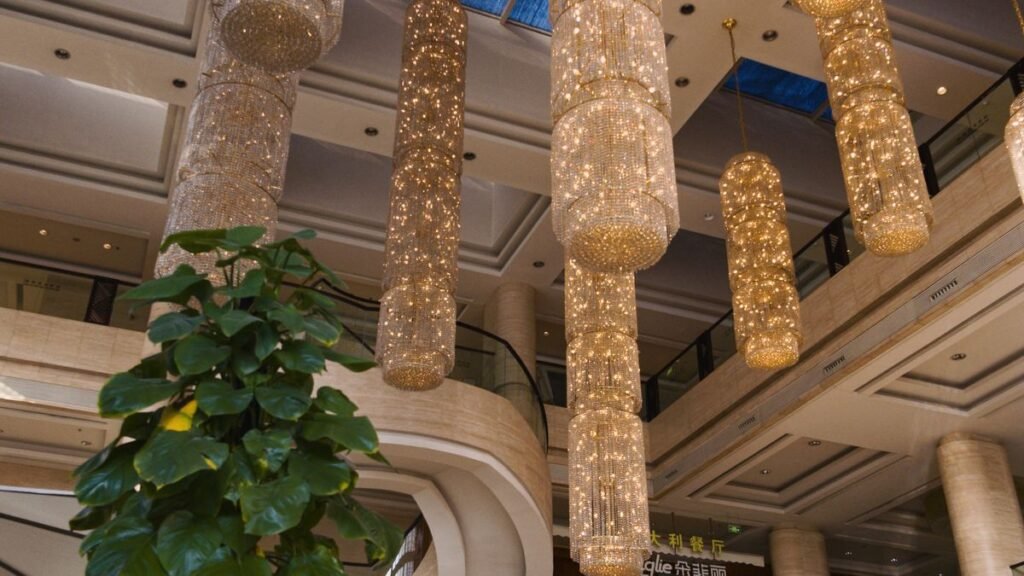
A standard 4-star guestroom specification for this example covers an upholstered bed frame, two nightstands, a dresser, writing desk, lounge chair, and mirror.
US Market Pricing for This Specification
Priced through US hospitality showroom channels, a mid-grade 4-star commercial furniture specification (furniture-only; this figure excludes soft goods, lighting, and other full FF&E categories) runs approximately $4,500, $5,500 per room as an illustrative estimate based on the item ranges in the table above. Across 150 rooms, that puts the furniture budget at $675,000, $825,000 before installation. That’s the number factory-direct sourcing is competing against.
Factory-Direct Landed Cost for the Same Specification
Price the identical specification at factory FOB from a Guangdong manufacturer, then add the full landed cost: ocean freight, Section 301 duties (0% on casegoods, 25, 37.5% on upholstered pieces), customs broker, ISF, insurance, and inland trucking. Working through each line item, FOB per room at the mid-range, plus $150 freight allocation, applicable duties on upholstered pieces, broker and ISF fees prorated per room, insurance, and drayage, a realistic all-in landed cost per room for this 4-star specification runs $1,400, $2,200. The higher end of that range reflects upholstery-heavy specs where Section 301 tariffs carry the most weight. Across 150 rooms, the fully landed total is $210,000, $330,000.
Net Project Savings After All Costs
The net saving on a 150-room project runs $345,000, $495,000 compared to US market sourcing, even after every freight, tariff, brokerage, and port charge is included. Based on the furniture-only figures above, that represents roughly 45, 60% net savings after full landed cost on a project of this scale, a range that reflects meaningful variance depending on how upholstery-heavy your specification is and whether Section 301 rates apply broadly across your SKU list. Upholstery-heavy specs with a high proportion of covered items will land toward the lower end of that savings range; casegood-dominant specifications will land toward the higher end. The savings percentage also narrows for smaller orders and widens for larger ones due to freight amortization and volume price breaks at higher unit counts.
What Moves Your Savings Number Up or Down
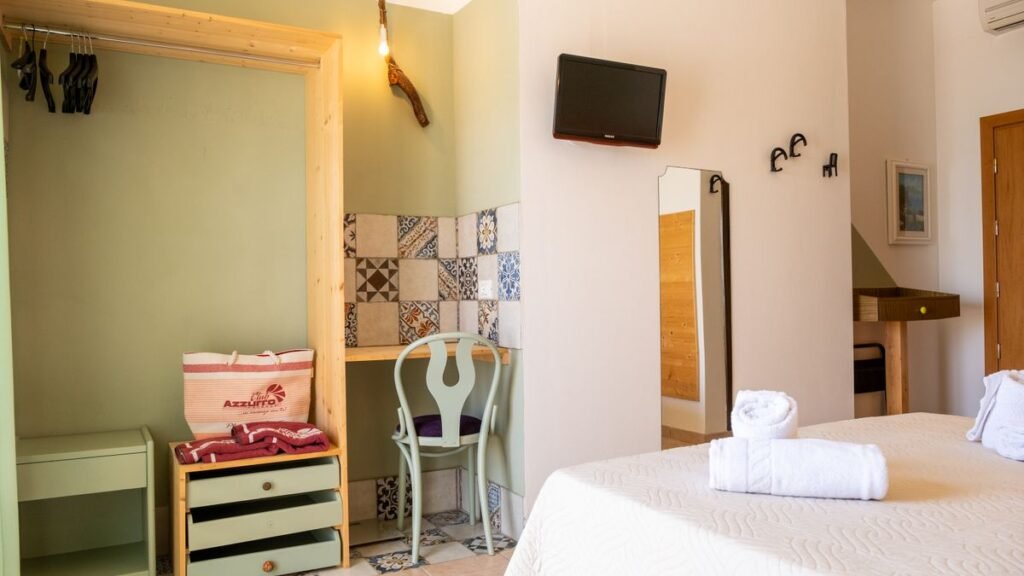
Net savings are not fixed. Three variables have the most leverage on your final number before you sign a purchase order.
Order Volume and MOQ
Chinese factories price in bands. Moving from 50-unit orders to 100, 200 units per SKU can reduce per-unit cost by a further 20, 30%. For a 150-room hotel project, most core SKUs hit the 100+ unit threshold naturally, which is why projects at this scale consistently achieve stronger net savings than boutique properties ordering 20, 30 pieces per item. The 100, 200 piece range is where factories are most willing to prioritize your production slot and offer their strongest pricing.
Lead Time and Project Schedule Risk
Standard hotel furniture production runs 4, 10 weeks for catalog items and 10, 18 weeks for fully custom pieces. Ocean transit from Foshan adds 25, 40 days to US ports. Total planning lead time from purchase order to on-site delivery is typically 16, 24 weeks for custom hotel work. Build your procurement timeline before you need the furniture, not after. Projects that compress this window face air freight premiums that can eliminate a significant portion of the savings calculated at the project outset.
Quality Standards and US Compliance
Upholstered furniture used in US hotels must comply with California TB 117-2013 for foam and filling, and many hotel brands require NFPA 260/261 compliance for commercial seating as well. Request third-party test reports from the factory before production is approved, not after containers are loaded. Manufacturers operating at scale with ISO 9001 certification generally maintain compliance documentation as standard practice. Choosing the right factory partner is how you avoid the compliance failures that turn savings into chargebacks and delayed openings.
A Pre-Order Checklist for China FF&E Sourcing
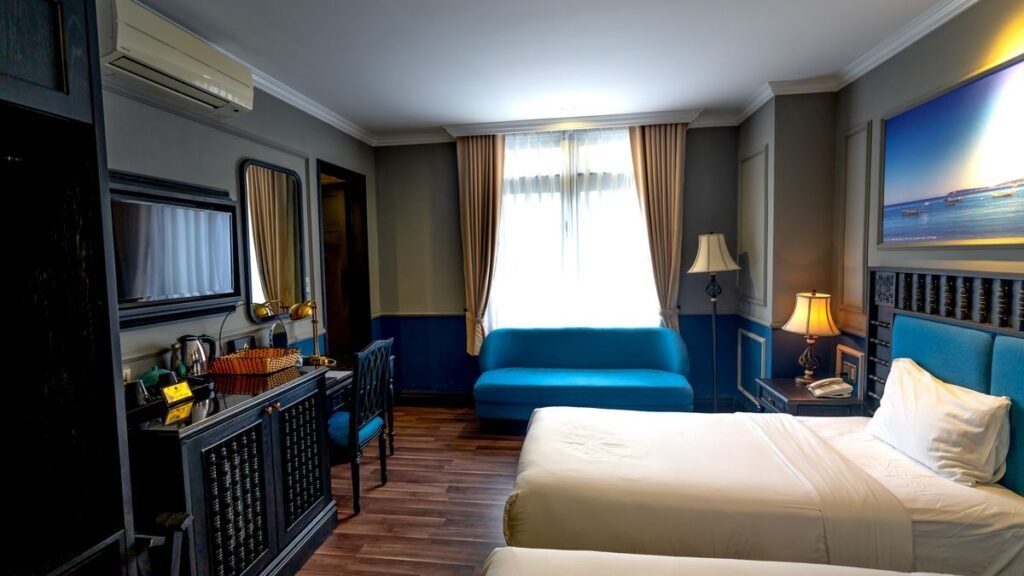
The savings math only holds if the sourcing execution is solid. Before signing a purchase order, work through these five questions with your procurement team.
- Have you classified each SKU under HTS Chapter 94? Classify every SKU before ordering. Section 301 rates in 2026 can eliminate your cost advantage on upholstered items if duty liability is confirmed too late, get your customs broker involved at the specification stage, not after production begins.
- Does the factory hold the right certifications? ISO 9001 certification and TB 117-2013 test reports for upholstered pieces are the minimum threshold for US hotel projects. Ask for documentation before you approve samples.
- Have you built a full landed cost per room, including a 10% contingency? FOB comparisons are not enough. Demurrage, port fees, and unexpected accessorials need a buffer line in your budget or they’ll appear as cost overruns at the worst possible moment.
- Does your hotel opening schedule accommodate a 16, 24 week procurement cycle? If it doesn’t, you’re looking at air freight premiums that may eliminate your savings entirely.
- Have you seen a physical sample or model room mock-up before approving production? Some factories offer model room programs that let you confirm finish, material quality, and specification accuracy before committing to a full production run. Request this capability from any factory you’re seriously evaluating, it’s the most reliable way to catch specification gaps before production locks in.
A factory’s delivery record matters as much as its price list. Look for manufacturers with a documented history of completed hotel projects, verifiable client references, in-house design teams, dedicated project management, and production capacity that can absorb your order without disrupting your timeline. These criteria separate a genuine factory-direct manufacturing partner from a trading company adding another margin layer to your cost. YM Furniture, operating from a 70,000 sq ft ISO-certified factory in Foshan, is one example of a manufacturer built specifically for hotel FF&E at this scale.
Be honest about when China sourcing is the wrong answer. Small projects under 30 rooms per SKU, properties with very tight opening timelines, or projects where the brand mandates US-certified or locally sourced pieces may be better served by domestic or nearshore suppliers. The goal is the right decision for your specific project, not a blanket endorsement of one supply chain over another.
The Savings Are Real, But Execution Determines Everything
How much can you save by sourcing hotel furniture directly from China? On a 150-room 4-star project, the realistic answer is $345,000, $495,000, even after freight, tariffs, brokerage fees, insurance, and inland trucking are all included in the math. The key is building the full landed-cost model before you compare quotes, not just lining up FOB prices side by side and calling it due diligence.
The numbers work for US hotel developers and procurement teams who are willing to plan properly. Execution determines whether those savings reach your bottom line or disappear into logistics problems, compliance gaps, and missed opening dates. Working with a factory-direct manufacturer that has the scale, certifications, and project track record your hotel demands is how you protect the savings you calculated on paper. If you want to run this analysis against your actual FF&E specification, YM Furniture’s team can provide factory-direct pricing, a model room program, and full project management support from design through on-site installation.