A restaurant furniture manufacturer builds the chairs, tables, booths and stools a dining room depends on every day, and that choice shapes how the space looks, feels and lasts. Restaurant furniture takes more punishment than almost any other kind: spills, heavy daily use, constant cleaning, dragging across floors and guests of every size. A chair that looks right in a showroom can loosen within months in a busy dining room.
This guide is for restaurant and cafe owners, multi-unit operators, fit-out contractors and interior designers who buy in volume. It explains what a manufacturer actually does, what commercial grade means, which materials hold up, how custom orders run, and how to vet a supplier and check quality before anything ships.
What a Restaurant Furniture Manufacturer Does
A restaurant furniture manufacturer designs, builds and finishes commercial seating and tables in its own workshop or factory, then sells them to operators, contractors and designers, usually in volume and often to a specification. The key word is builds. A retailer or reseller buys finished pieces from someone else and passes them on.
nn
That difference matters in practice. A manufacturer can change a seat height, adjust a table base, swap an upholstery or alter a finish, because it controls the patterns and the production line. It can also answer for a failure, since it knows which frame, foam and fabric went into the order. A reseller can only forward your complaint.
Commercial restaurant furniture manufacturers vary widely. Some run catalog ranges with fixed sizes and quick delivery. Others focus on custom work for specific restaurant concepts, and some do both. Size varies too, from small workshops to large factories that supply restaurant groups across several countries. For chains, the most useful quality is repeatability: the fortieth chair has to match the first.
One caution. Not every business that calls itself a manufacturer makes the furniture. Some are trading companies or agents, which can be perfectly fine if they say so. Later sections cover how to tell the difference.
Commercial-Grade vs Residential: What Restaurants Cannot Compromise On
Commercial-grade restaurant furniture is built and tested for heavy daily use, frequent cleaning and long service hours, which residential furniture is not designed to handle. A dining chair made for a home sees a few hours of use a day. A restaurant chair may see dozens of guests across a single evening. Our guide on what commercial-grade furniture is covers the general definition in more depth.
Commercial furniture is usually judged against published standards. In the United States, many buyers look for BIFMA test reports, and in Europe EN 16139 covers non-domestic seating, as Eurofins explains in its overview of furniture durability and load-bearing tests. Not every good factory holds a certificate, but a serious one can show test records or explain what it tests in-house.
Built for service
- Reinforced joints and corner blocks
- Stable base that resists tipping and wobble
- Upholstery rated for commercial abrasion
- Finishes that clean easily and resist stains
- Replaceable parts such as seats, glides and legs
Warning signs
- Frames held together with staples only
- Thin or unsealed veneer and edges
- Foam that flattens after a few weeks
- Finishes that stain from spills or cleaners
- No test records and vague material answers
Put these expectations into your written specification. A supplier that resists writing down materials and construction is telling you something.
Restaurant Furniture Types a Manufacturer Should Cover
A strong restaurant furniture manufacturer covers the full set of pieces a dining room needs, so finishes, proportions and quality stay consistent across the room. If you search for a restaurant chairs manufacturer, check whether the same factory also builds tables and booths, because mixing suppliers is where colors and heights drift apart.
nn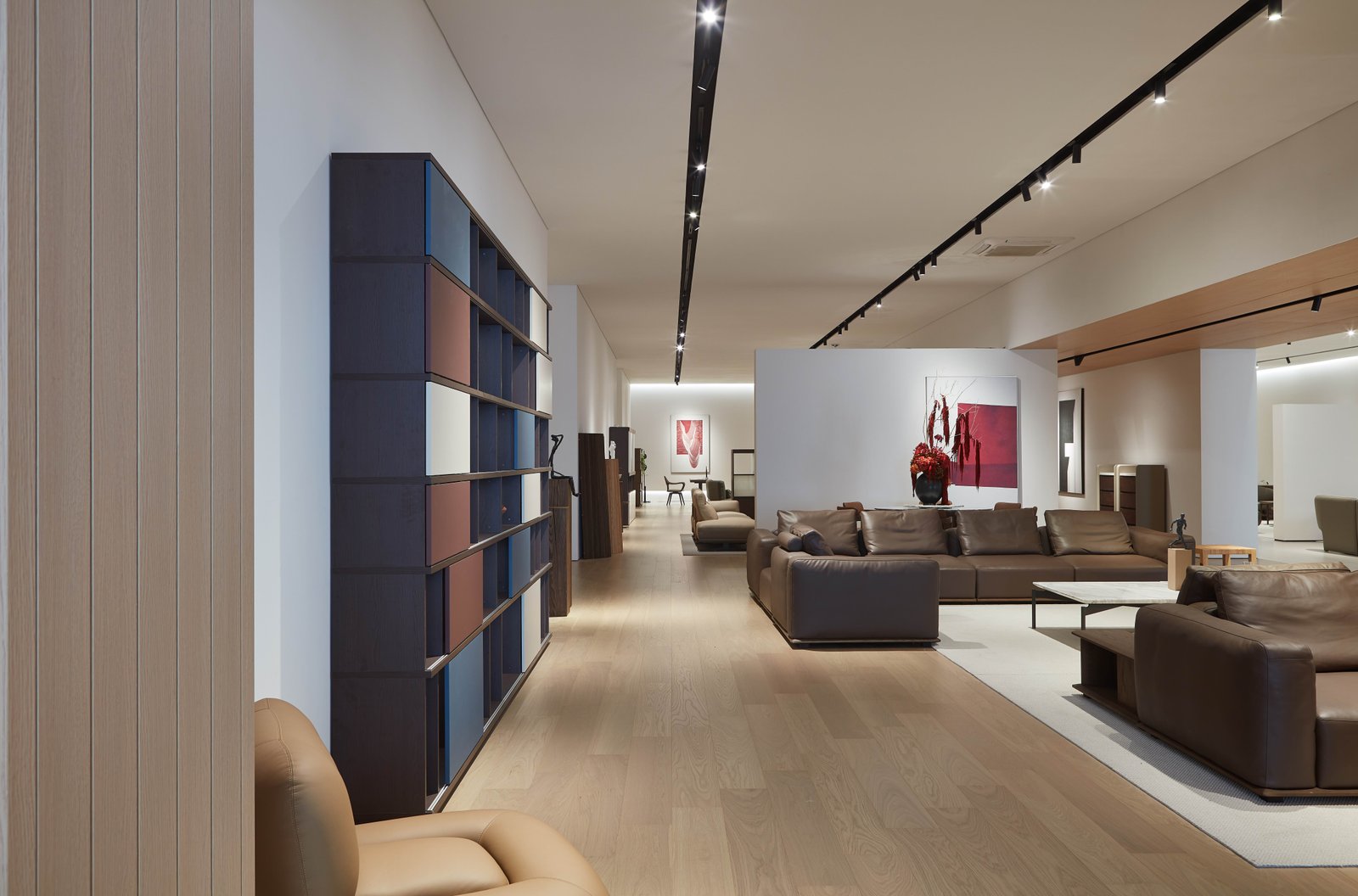
The core product. Side chairs, armchairs and upholstered chairs need a strong frame, comfortable seat depth and easy cleaning. For higher-end rooms, see our guide to luxury dining chairs.
Tops in laminate, solid wood or stone on steel, cast or timber bases. Base stability and table height matter as much as the surface.
Fixed seating built to the room layout. Usually custom, so drawings, foam firmness and stitching details need close approval.
Heavy-use seating with footrests and swivel or fixed bases. Our luxury bar chairs specification guide lists what to check.
Weather-resistant frames, UV-stable finishes and drainage. Specify indoor or outdoor use clearly before quoting.
Booths and banquettes deserve special attention. They are built into the floor plan, they are hard to replace, and a poor one drags down the whole room.
Materials and Finishes for High-Traffic Dining
Material choice decides how a piece ages, so the right question is not which material is best but which one suits the concept, the traffic and the cleaning routine. Each option has strengths and weak points that a good manufacturer will explain openly.
nn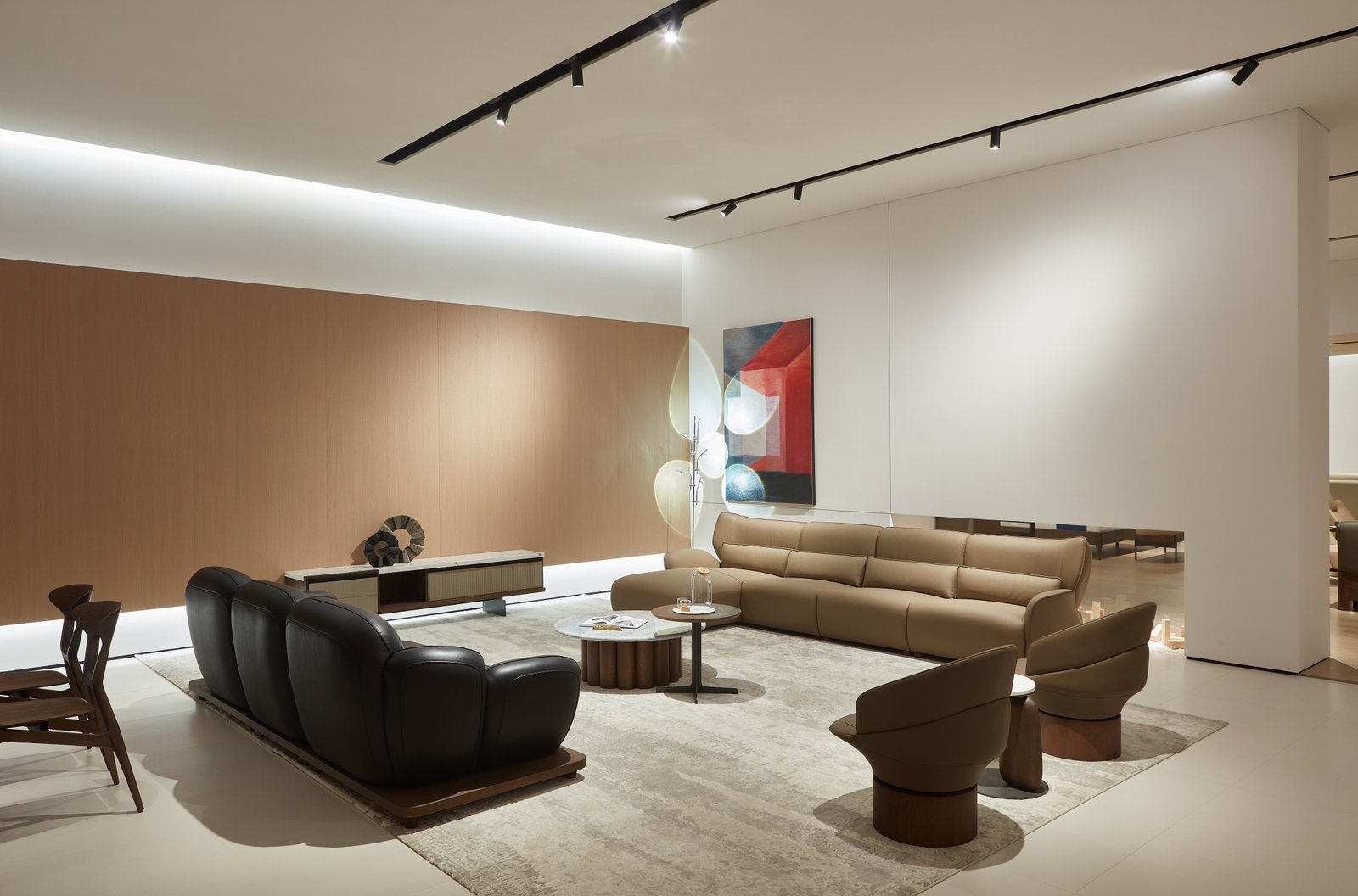
| Material | Strengths | Watch-outs |
|---|---|---|
| Solid wood | Warm look, repairable, strong when well jointed | Moves with humidity, finish quality varies |
| Steel, aluminum and other metals | Strong, slim profiles, easy to stack | Weld quality, coating chips, rust risk outdoors |
| Rattan and woven materials | Light, textured, popular for relaxed concepts | Fiber type, indoor or outdoor rating, snagging |
| Vinyl, leather and performance fabric | Cleanable surfaces, wide choice of colors | Abrasion rating, seam strength, foam beneath |
| Laminate, solid wood and stone tabletops | Laminate is durable, stone adds a premium look | Edge chipping, staining, weight of stone |
Upholstery deserves closer questions than any other component. Commercial fabrics are tested for abrasion, usually reported as double rubs under the Martindale or Wyzenbeek method, so ask for that figure instead of accepting a general claim of durability. Ask about the foam as well. Dense, resilient foam keeps its shape under heavy use, while soft cheap foam collapses and makes a new chair look tired.
Finishes matter just as much. A restaurant cleans furniture constantly, often with strong products. Ask how the surface handles spills, heat marks, repeated wiping and sunlight, and ask to see a finish sample that has been tested, not only a fresh one.
Custom Restaurant Furniture: From Concept Drawings to Approved Sample
A custom restaurant furniture manufacturer builds pieces to your concept, floor plan and brand, and the process is easier to manage when you know the steps. The same approach applies to the hotel projects covered in our custom hotel furniture guide.
nn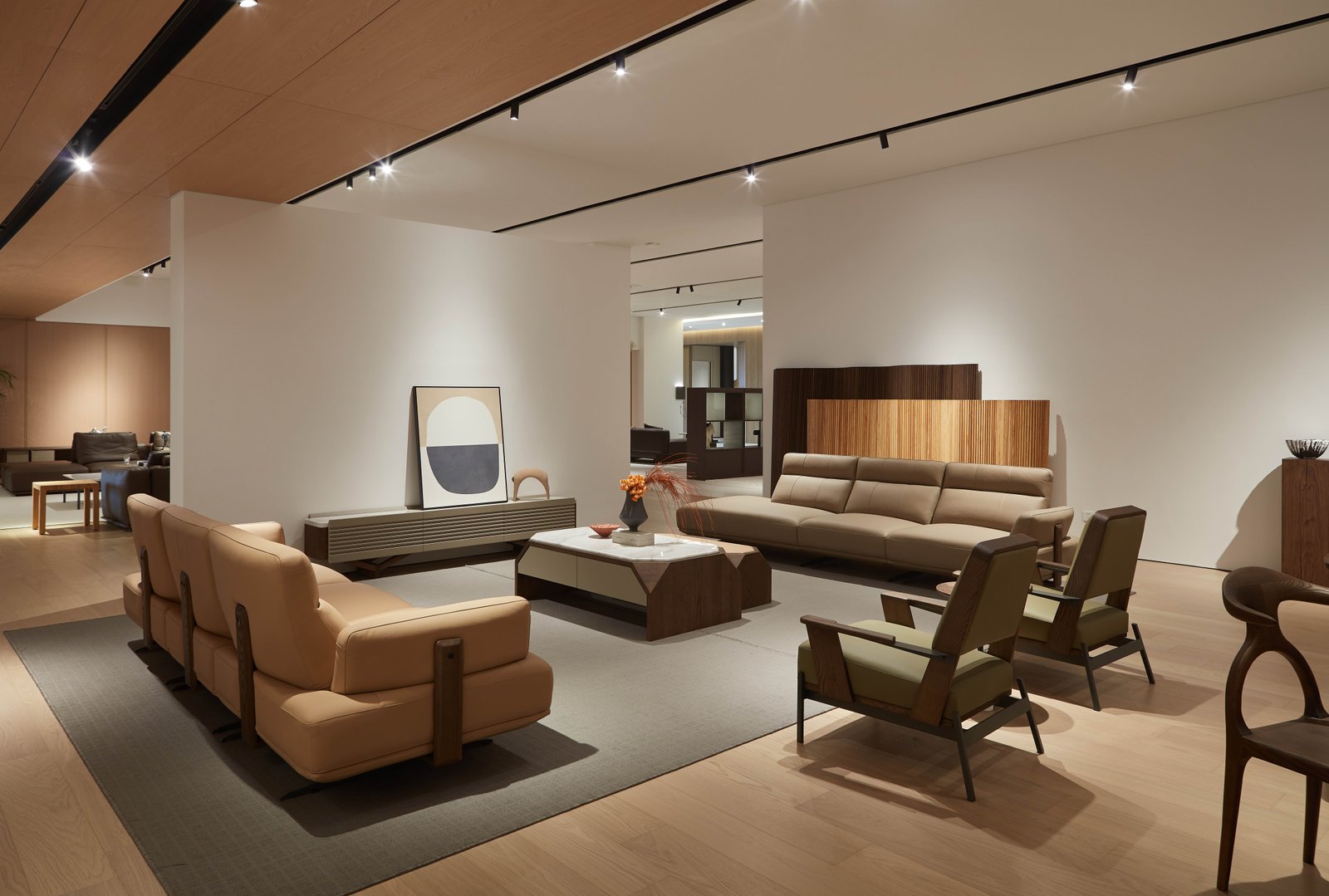
Share the floor plan, seat count, style references, budget range and opening date so the factory can respond realistically.
The manufacturer prepares drawings with dimensions, joinery and materials. Check heights, seat depths and spacing against your layout.
Approve physical swatches of fabric, vinyl, wood and metal finishes. Screen colors rarely match the real thing.
A full-size sample is built for testing. Sit on it, clean it and look underneath. Expect a revision round.
Approve in writing with photos and measurements. This becomes the reference for the whole order.
Production begins after approval and deposit, with progress photos at agreed points.
Most disputes start at sample sign-off. A casual “looks fine” on a call is not an approval. Keep the signed sample record, because it is what you will point to if units in the order drift from the standard. If you plan to open further locations, keep the approved sample or its drawings so the next order matches the first.
Cafe, Casual Dining and Fine Dining: Matching Furniture to the Concept
The right specification depends on how guests use the room, and a cafe furniture manufacturer will often prioritize different features than one supplying a fine dining room. Choosing by concept prevents both overspending and under-specifying.
nn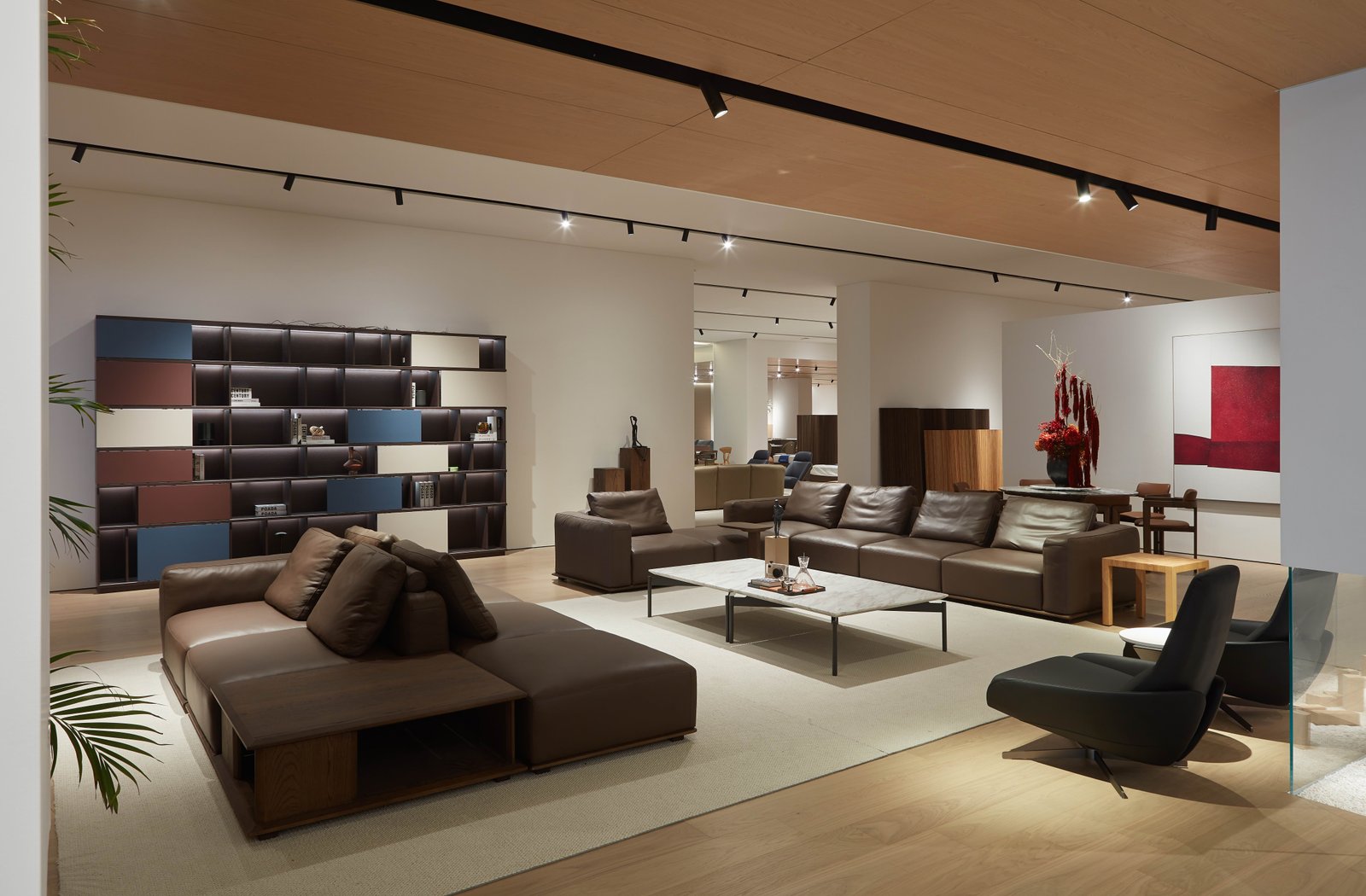
Light, stackable pieces that are easy to move and clean. Small footprints and quick turnover favor slim chairs and compact tables.
Very hard-wearing, wipe-clean surfaces and simple designs that repeat across many locations.
A balance of comfort and durability, often with a mix of booths, banquettes and chairs.
Better padding, refined finishes and quieter details. Guests stay longer, so seat comfort and upholstery quality weigh more.
Dwell time is a useful guide. Where guests sit for twenty minutes, a firm, easy-clean seat is enough. Where they stay for two hours, padding, back support and fabric feel start to affect the guest experience and the review it earns.
MOQ, Lead Times and Pricing for Restaurant Orders
MOQ, lead time and price move together, and each depends on how custom the design is, how complex the build is and how many units you order. A single number without knowing the product would be guesswork, so this table shows what pushes each factor up or down. Our guide to custom furniture MOQs from China goes deeper on minimums.
| Factor | Effect on MOQ | Effect on lead time | Effect on price |
|---|---|---|---|
| Catalog design vs custom | Catalog items usually need less volume | Custom adds drawing and sampling time | Custom adds development cost |
| Materials (solid wood, metal, stone) | Special materials can raise minimums | Special or imported materials extend sourcing | Premium materials raise unit cost |
| Upholstery and finish | Custom fabrics may require minimum yardage | Hand finishing or special coatings add days | Complex finishes cost more |
| Number of units and locations | Multi-location orders may be easier to negotiate | Larger orders extend production | Volume tends to lower unit price |
| Production season | Little effect | Busy periods and holidays slow output | Rush orders can cost more |
| Packaging | None | Custom packing adds preparation time | Heavier protection adds cost |
Wholesale restaurant furniture pricing usually falls as quantities rise, but only when the specification stays identical across the order. For restaurants, timing matters more than most buyers expect. Furniture often arrives last in a fit-out, and a delay can hold back the opening. Work backward from the opening date, add time for sampling, production, shipping and delivery, and leave a buffer. Compare quotations on the same basis: the same materials, finish, packaging and delivery terms, or the cheapest quote may simply be the one that left things out.
How to Vet a Restaurant Furniture Supplier at Home or Overseas
Finding a restaurant furniture supplier is easy, and vetting one properly is what protects your money and your opening date. The same checks apply whether the supplier is local or overseas. Overseas sourcing, including restaurant furniture manufacturers in China, adds shipping time and import steps, so the schedule needs more room.
Ask whether the business builds the furniture itself or buys it from others, and ask for the factory address.
Request a live video walk through the workshop or visit in person. Check wood, metal, upholstery and finishing areas.
Request photos and details of comparable restaurant projects, and ask whether a past client will speak to you.
A sample tests craftsmanship, communication and honesty about problems before you commit to volume.
Check materials, finishes, packaging and delivery terms against your written specification.
A smaller first order exposes weaknesses in production and shipping at lower risk.
For buyers weighing overseas factories, our guides on vetting a Foshan furniture factory and finding a private label furniture manufacturer cover the checks in more detail.
Green flags
- Answers material questions with specifics
- Shows its own production floor without delay
- Quotes in writing with the specification attached
- Explains lead times and the reasons behind them
- Flags design problems before sampling
Red flags
- Photos only, with no willingness to show the floor
- Very low prices with vague materials
- Pressure to pay the full amount upfront
- Payment requested to a personal account
- Different company names on the quote and the licence
Quality Control, Shipping and After-Sales Support
Quality control turns a good sample into a good order, and it should be planned before production starts. Without it, the first time you see the real quality is when the goods arrive, which is too late to fix a defect cheaply.
Confirm that frames, foam, fabric and hardware match the approved specification before production begins.
Review frames, upholstery and finishes during production, when mistakes are still easy to correct.
Measure and test finished units against the approved sample, using an agreed sampling standard.
Verify cartons, corner protection and container loading before the doors are sealed.
Agree shipping terms in the contract and not in a chat message. Incoterms such as FOB or CIF state who pays for freight and insurance and where risk passes to you, and the ICC publishes the official Guide to Incoterms 2020. Packaging should match the finish: ask how upholstery, lacquer and stone tops will be wrapped, cornered and boxed.
After-sales support is easy to overlook and expensive to ignore. Restaurant chairs wear out in predictable places, so ask for the warranty in writing, ask which parts can be replaced, and order a few spare chairs and extra upholstery material from the same batch so repairs match. For broader projects, our overview of hospitality furniture supply shows how wholesale and project buying fit together.
Frequently Asked Questions
What does commercial grade restaurant furniture mean?
It means furniture built and tested for heavy daily use, with reinforced joints, stable bases and commercial-rated fabrics and finishes, so it can handle long service hours and constant cleaning.
Where do restaurants buy their furniture?
Most buy from commercial furniture manufacturers, distributors or specialist suppliers, either from catalog ranges or as custom orders built to the restaurant concept and floor plan.
How do I choose furniture for a restaurant?
Start with the concept and how long guests stay, then set a written specification for materials, construction and finish, and approve a sample before ordering in volume.
What is the difference between restaurant and cafe furniture?
Cafe furniture is usually lighter, stackable and compact for fast turnover, while full-service restaurant furniture puts more weight on seat comfort, upholstery and a refined finish.
How long does custom restaurant furniture take?
It depends on design complexity, sampling rounds and the factory schedule, so ask for a written timeline covering sampling, production and shipping before you commit to an opening date.
Can I buy restaurant furniture directly from a manufacturer in China?
Yes. Many buyers order from Chinese factories, but they verify the business licence, see the production floor, approve a paid sample and arrange inspection before shipment.
The Bottom Line
A restaurant furniture manufacturer is only as good as its materials, its construction and its willingness to put both in writing. Choose by concept and traffic, specify commercial-grade construction, approve a sample before bulk production, and inspect before shipment. Do that and the furniture will look right on opening day and still hold up a few years later.
If you are planning a restaurant, cafe or hospitality project, request a quote or catalog from YM Furnitures and share your drawings or product list.
YM Furnitures is a furniture manufacturer and wholesale supplier based in Shunde District, Foshan City, Guangdong Province, China. Founded in 2009, the company holds ISO 9001, ISO 14001 and ISO 45001 certification and supplies hotel, villa and residential furniture, including luxury chairs, dining, living room, bedroom and office pieces, to clients worldwide. We work with buyers on custom and repeat orders. Browse our luxury chairs and dining room furniture collections or contact our team to discuss your project.
Last Updated: November 13, 2026