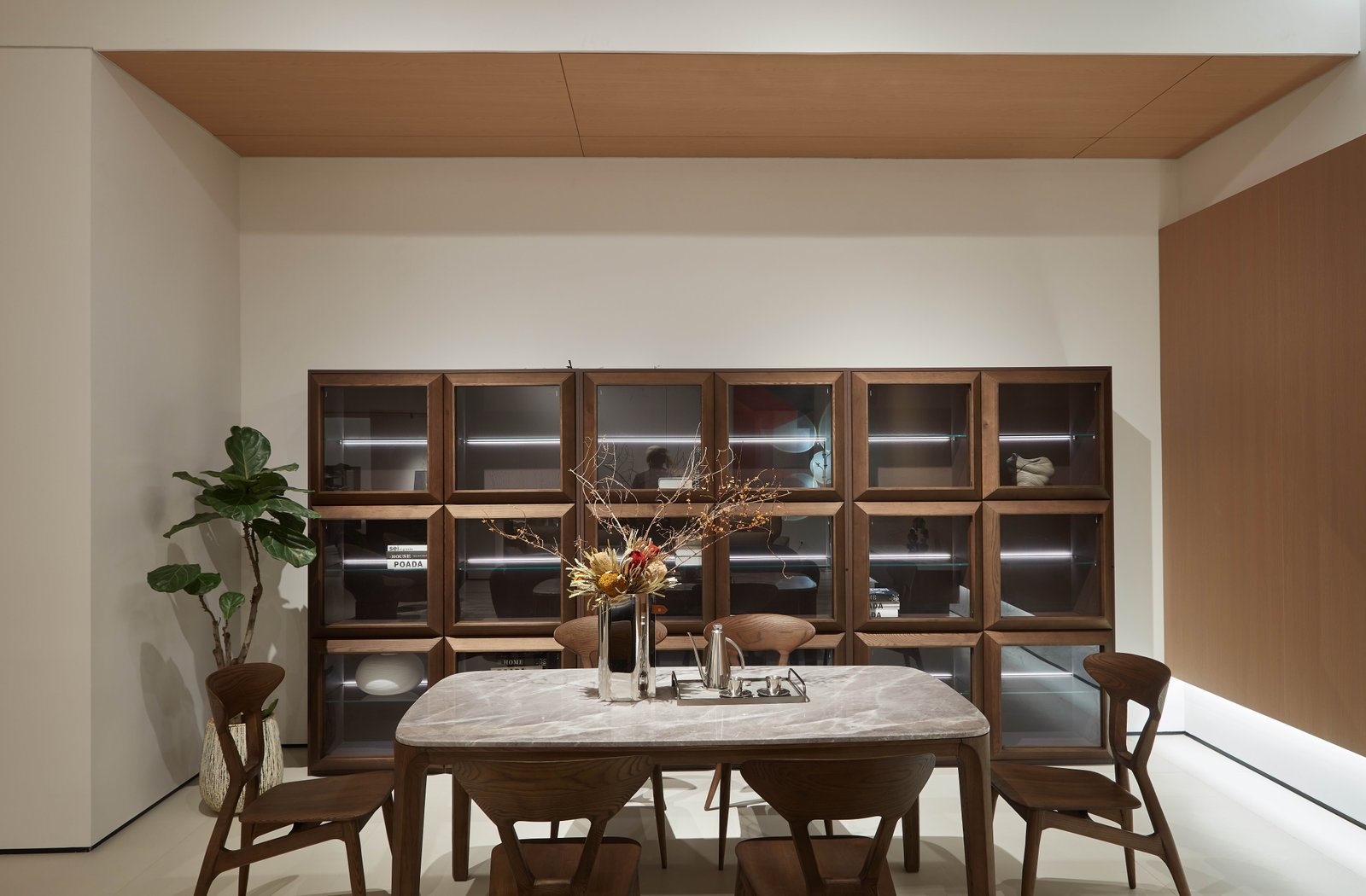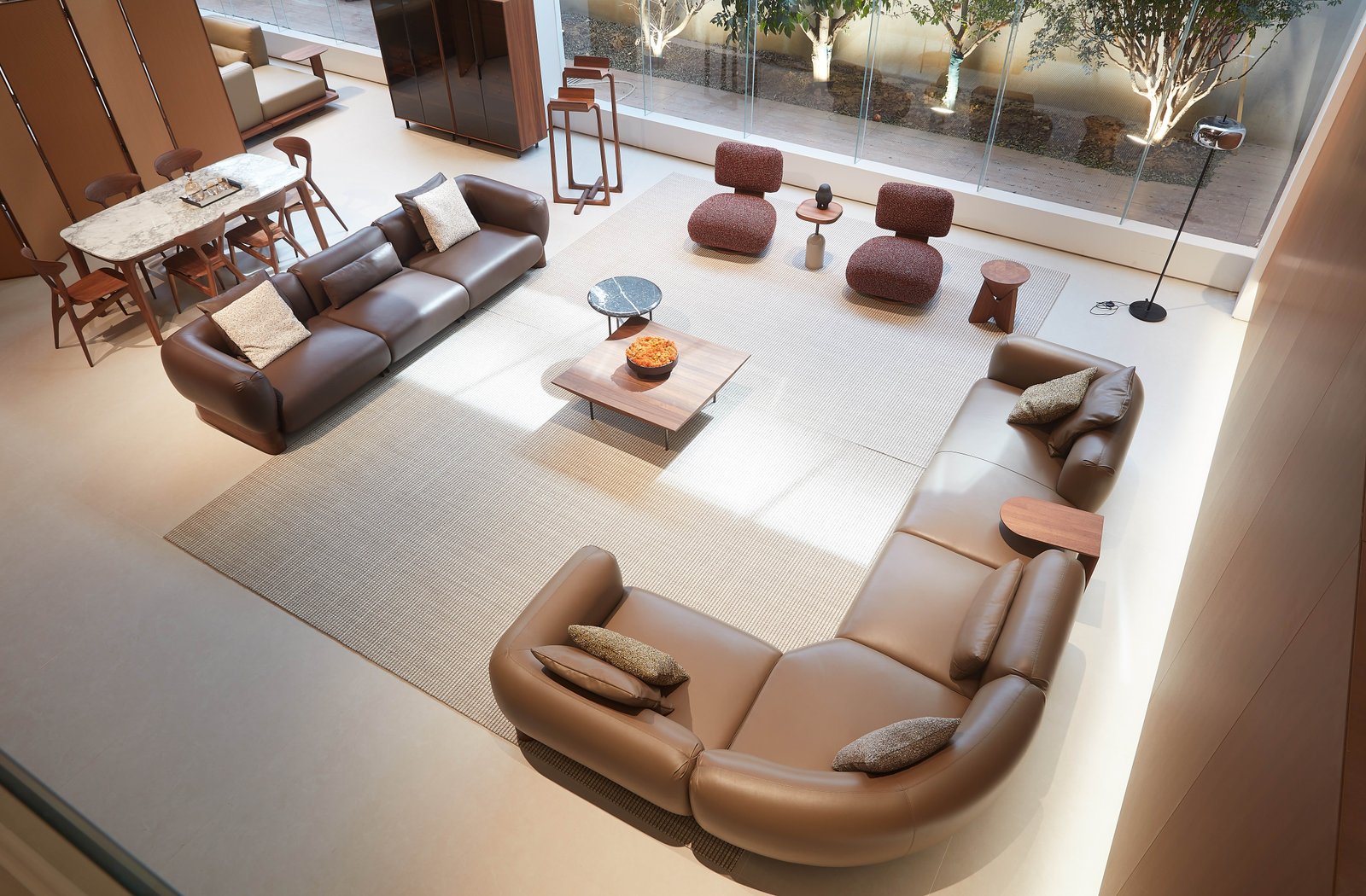
The hospitality furniture supply market is larger, more fragmented, and more opaque than most buyers realise until they are already deep in a project. A hotel developer or FF&E manager shopping for the first time encounters an industry where the same piece can carry five different price tags depending on whether it comes from a factory floor, a trading company, a domestic distributor, or a liquidator’s warehouse, and where the word “wholesale” means something genuinely different depending on who is using it.
This guide explains what the hospitality furniture wholesale market actually looks like from the inside: how supply moves from manufacturer to property, what the different supply channels deliver and where they fall short, and what buyers sourcing for hotel, resort, or villa projects need to understand before placing a single order.
What Is Hospitality Furniture?
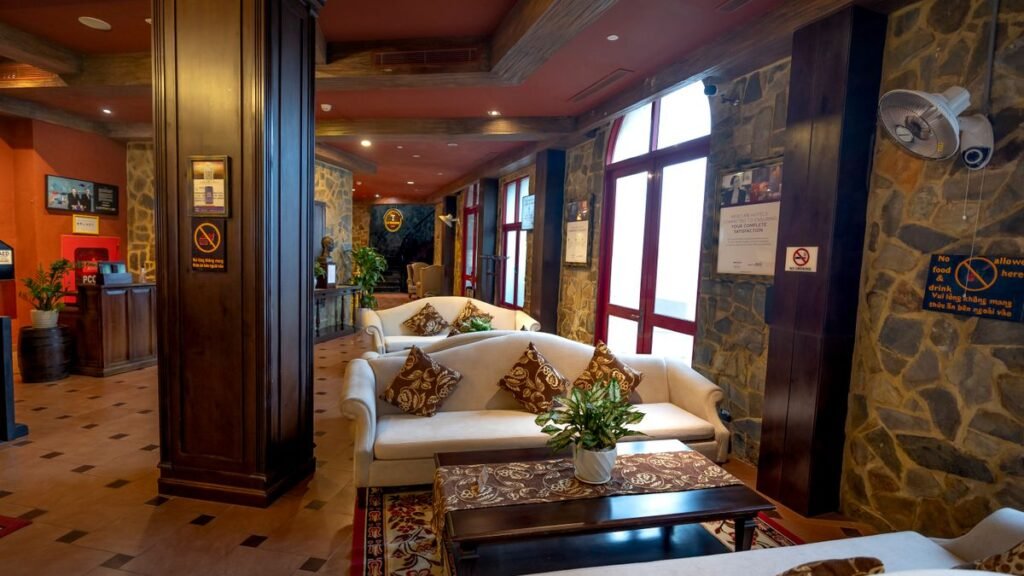
Hospitality furniture is furniture designed and built specifically for commercial hospitality environments: hotels, resorts, restaurants, bars, lounges, spas, and similar guest-facing spaces. The key distinction from residential furniture isn’t purely aesthetic, it’s structural. Hospitality-grade pieces are engineered for higher daily-use frequency, easier cleaning, and tougher wear conditions than anything built for a living room.
The scope of what “hospitality furniture” covers varies depending on who’s defining it, and this ambiguity causes real confusion in procurement conversations.
Hospitality Furniture Includes
- Guest room casegoods (beds, wardrobes, nightstands, desks)
- Headboard wall systems
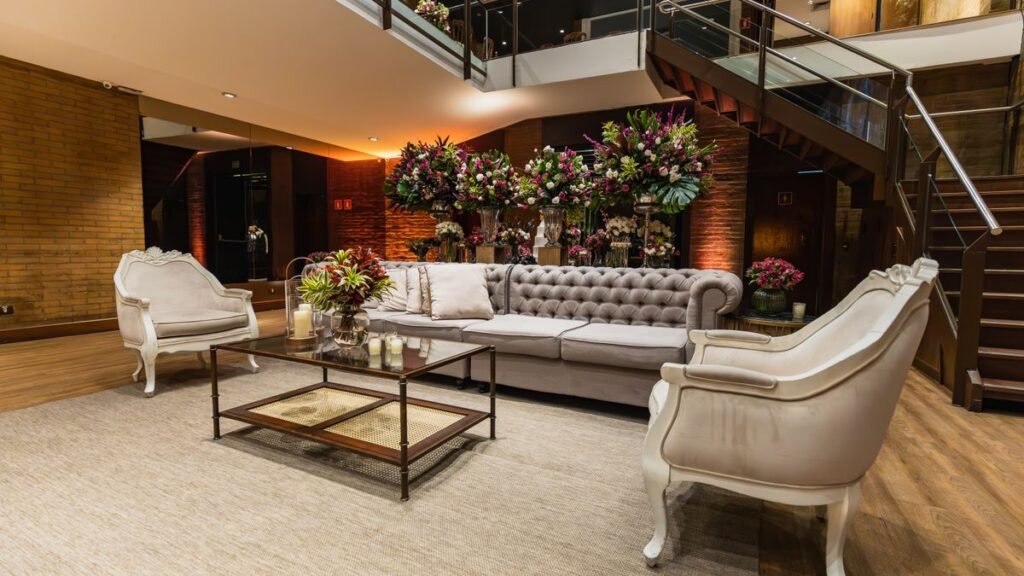
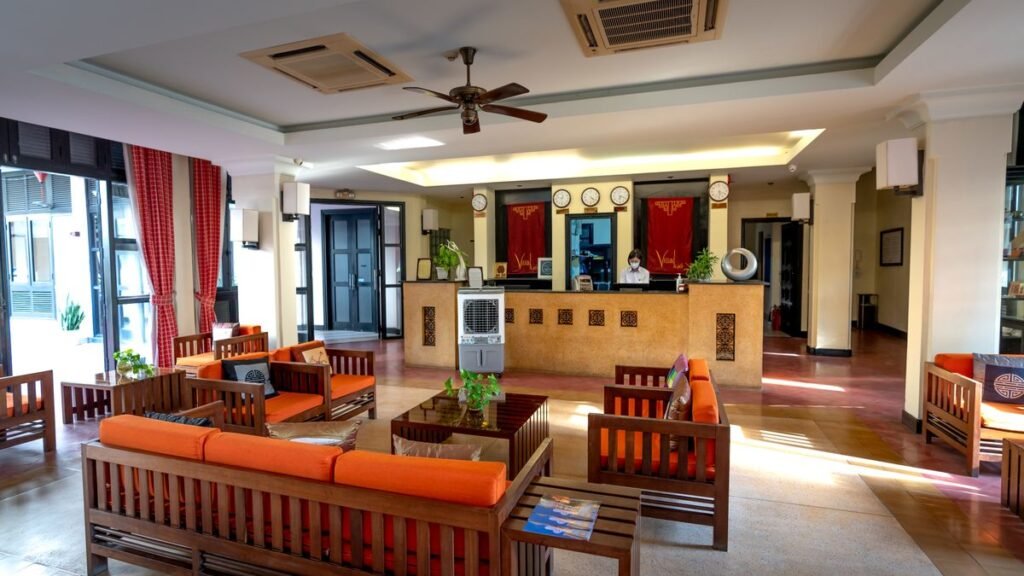
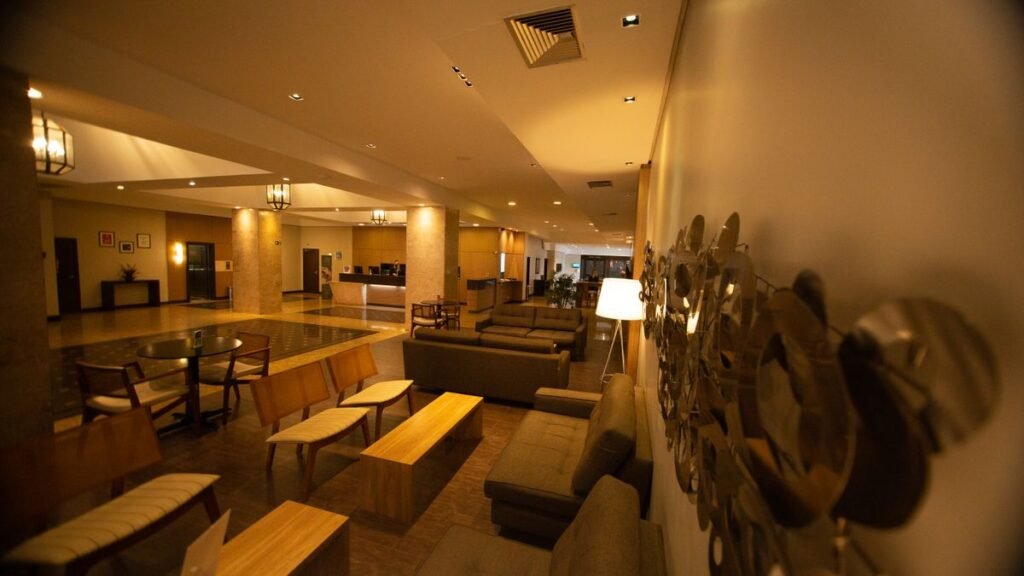
- Lobby and lounge seating
- Restaurant and bar tables and chairs
- Outdoor pool and terrace furniture
- Banquet and conference seating
- Custom millwork and built-ins
Often Confused With Hospitality Furniture
- Lighting and electrical fixtures (FF&E, not furniture)
- Window treatments and soft goods
- Artwork and decorative mirrors
- TVs, safes, and in-room technology
- Kitchen and laundry operating equipment
- Linens and room accessories
How the Hospitality Furniture Supply Chain Works
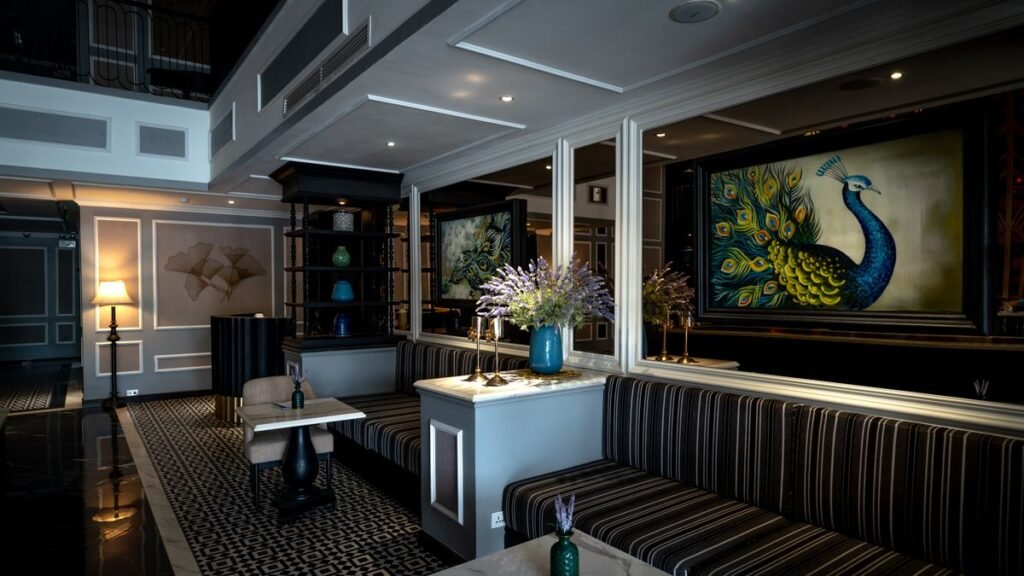
Before choosing where to buy, it helps to understand how furniture actually moves through the market from raw material to installed room.
Manufacturers source wood, metal, fabric, and hardware from specialist suppliers.
Factories produce to a buyer’s specification (OEM) or their own catalog design (ODM).
Finished goods are packaged, cleared through customs, and shipped by sea or air.
A domestic importer receives the goods, applies a margin, and sells to local buyers.
Furniture reaches the hotel, resort, or villa and is installed by a fit-out crew.
Every step between the factory and the property adds cost. Factory-direct sourcing compresses this chain by eliminating intermediate steps, which is why it tends to deliver meaningfully lower landed cost on equivalent pieces, not because the furniture itself is cheaper to make, but because fewer parties are taking a margin along the way.
The Four Main Supply Channels
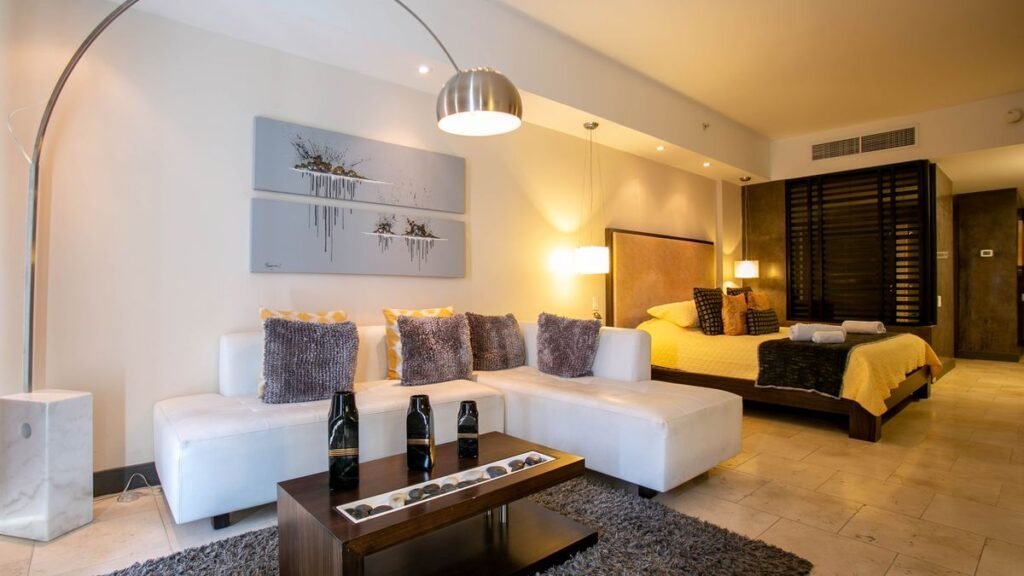
Every buyer in the hospitality furniture market works through one or a combination of these four channels, each with a different cost level, flexibility, and risk profile.
Factory-direct manufacturers produce and sell their own output. Design changes, production schedules, and quality accountability all go through one entity. For buyers with enough volume and lead time, this is consistently the most cost-effective channel for custom and commercial-grade hospitality furniture.
Trading companies don’t manufacture. They act as intermediaries between buyers and factories, managing sourcing and export in exchange for a margin, typically 30 to 60% above factory-direct pricing for the same specification.
Domestic importers bring hospitality furniture into a market from overseas and resell through showrooms or trade representatives. The advantage is speed for in-stock items. The disadvantage is the highest per-unit cost in the market.
Hotel furniture liquidators sell pieces from properties undergoing renovation or closure. For buyers who need specific items quickly at very low prices and can accept used condition, this channel has genuine value.
New vs. Liquidated Hospitality Furniture: An Honest Comparison
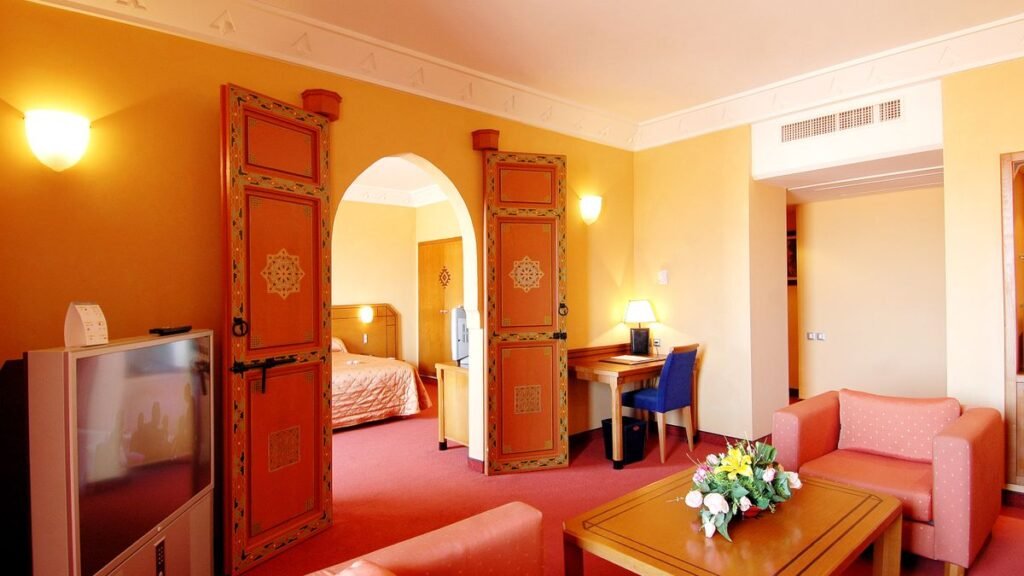
Hospitality furniture liquidators account for a meaningful share of search volume in this market. Here is where it makes sense and where it doesn’t.
| Factor | New Hospitality Furniture | Liquidated / Used Furniture |
|---|---|---|
| Condition | New, uniform | Variable, often showing wear |
| Consistency | Matching sets guaranteed | Mix of makes and conditions |
| Availability | Lead time required | Immediate, but limited to stock |
| Price | Higher upfront | Lower upfront |
| Compliance documentation | Available from manufacturer | Rarely available |
| Best fit | New builds, full renovations, branded properties | Budget projects, urgent replacements |
What Wholesale Actually Means in This Market
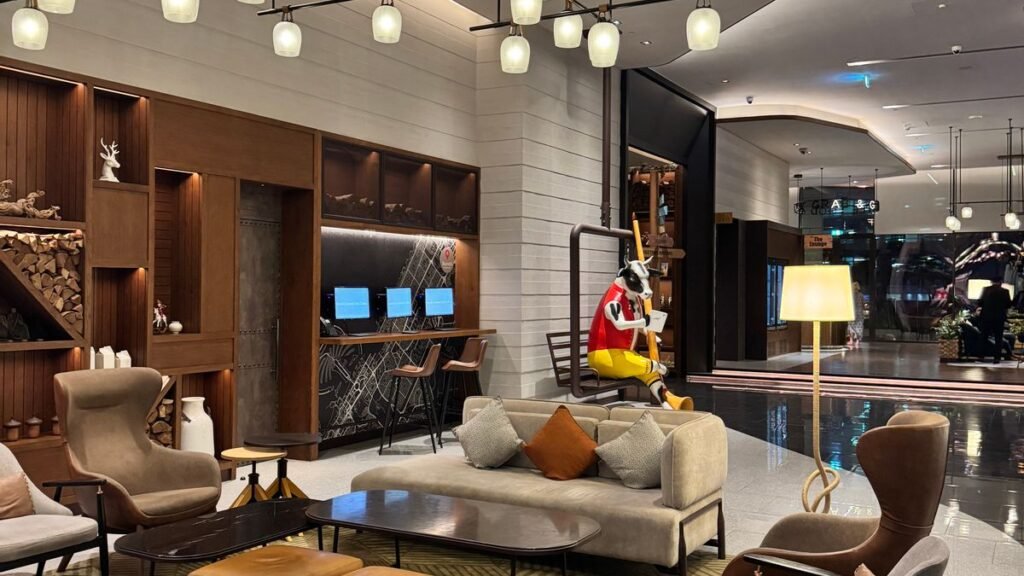
Wholesale is used inconsistently across the hospitality furniture supply market. At the factory level, wholesale means the manufacturer’s ex-factory price before freight, duties, or any distributor margin. At the distributor or trading company level, wholesale typically means a discount from a published retail price, still after their own margin has been added. True wholesale pricing is only accessible by buying direct from the source.
| Supplier Type | Effective Cost Level | Lead Time |
|---|---|---|
| Factory-direct manufacturer | Lowest | Longer (production time required) |
| Trading company | 30 to 60% above factory | Medium |
| Domestic importer | 60 to 120% above factory | Shortest for in-stock |
| Liquidator | Very low, but used condition | Immediate |
How to Read a Hospitality Furniture Quote
Two quotes that both say ‘wholesale’ can differ by thousands of dollars before a single piece has been compared, because they are often priced on different trade terms. One supplier quotes the price at the factory gate. Another quotes the price delivered to your door with duties paid. The furniture is identical, the numbers are not comparable, and the cheaper-looking quote is frequently the one with the most work and cost still ahead of you.
| Trade Term | What the Seller Covers | What the Buyer Still Handles | Practical Takeaway |
|---|---|---|---|
| EXW (Ex Works) | Goods made available at the factory | Export clearance, ocean freight, insurance, import duties, and delivery | Lowest quoted price, most buyer work |
| FOB (Free On Board) | Loads goods on the vessel at the origin port and clears export | Ocean freight, insurance, import duties, and delivery | Common baseline for comparing factory quotes |
| CIF (Cost, Insurance, Freight) | Pays ocean freight and insurance to the destination port | Import clearance, duties, and inland delivery | Easier freight budgeting |
| DDP (Delivered Duty Paid) | Delivers to the destination with duties paid | Receiving the goods at the door | Highest quoted price, least buyer work |
Ask every supplier to quote on the same trade term before comparing anything else, and ask them to state in writing what the price does and does not include.
The Costs Between an Ex-Factory Price and an Installed Room
An ex-factory price is the start of the cost, not the end of it. Several layers sit between that number and a furnished room, and each one varies by project.
- Ocean freight and insurance. Priced per container or per cubic metre, and shaped by route, season, and how efficiently the order packs. Bulky outdoor and upholstered pieces cost more to ship per unit than compact casegoods.
- Import duties and tariffs. Set by the product’s customs classification and country of origin, and subject to change. Confirm the exact classification and current rate with a licensed customs broker before budgeting.
- Customs brokerage and port charges. Clearance fees, port handling, and documentation costs that are separate from duties and often missed in early budgets.
- Inland delivery to site. Moving a container from the port to the property costs more and takes longer for remote or island locations.
- Installation and a damage allowance. Fit-out labour, plus a small contingency for transit damage or replacement pieces, since a single damaged item in a custom run can take weeks to remake.
Building this layered picture before comparing suppliers is what separates a genuine like-for-like comparison from a quote that only looks cheap. Our guide to how hotel developers source furniture for large projects walks through the full landed-cost approach.
Custom and OEM Hospitality Furniture Supply
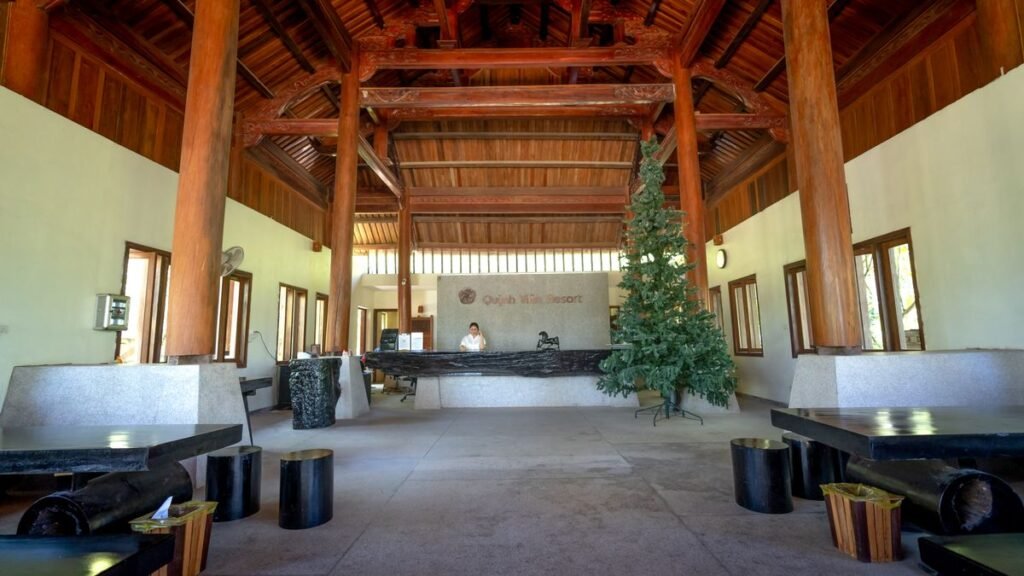
For hotel brands, resort developers, and villa projects with a distinct design identity, catalog-based supply channels frequently fall short. OEM (Original Equipment Manufacturer) supply solves this by producing furniture to the buyer’s own technical specifications. ODM (Original Design Manufacturer) supply is a middle path, adapting existing designs within defined parameters.
OEM is worth the higher MOQ and lead time when the design is genuinely proprietary, brand standards require specific dimensions or materials, or the property’s competitive positioning depends on furniture guests won’t recognise from another hotel.
ODM hits the practical sweet spot for most mid-market hotel and resort projects. The furniture reads as custom and brand-consistent without the development cost of a fully bespoke OEM program, since the core design and tooling already exist.
For budget properties, urgent replacement orders, or ancillary spaces where design distinction matters less than function and cost, catalog supply from a domestic distributor or trading company often makes more sense than either OEM or ODM.
Minimum Order Quantities Across Supply Channels
Minimum order quantity is where the differences between channels are felt most in daily practice. Domestic distributors and liquidators can usually sell a single piece, because they hold stock. Trading companies commonly pass along the minimums set by the factories behind them, so their MOQ is often no lower than the factory’s own and can be less flexible. Factory-direct manufacturers set minimums per SKU based on tooling, material purchasing, and finishing setup.
For custom hospitality work, upholstered pieces typically start between 10 and 100 units per SKU, while custom wood casegoods usually run 50 to 300 units per SKU. The full breakdown, including what raises or lowers those numbers, is in our guide to custom furniture MOQs from China.
Hospitality Furniture Trends Shaping Supply Decisions
01. Sustainability as a Sourcing Filter
FSC certification and low-VOC finishes have moved from a project differentiator to a standard expectation in many markets, particularly in Europe and among internationally branded hotel groups. Suppliers who cannot provide certification on request are increasingly excluded from shortlists before a price comparison ever happens.
02. Shorter Replacement Cycles on Outdoor Furniture
Higher guest expectations and the premium placed on outdoor and poolside spaces are pushing more hospitality operators to specify commercial-grade outdoor furniture more carefully. A lower upfront price that results in replacement every two to three years instead of every six to eight is being recognised more consistently as the worse economic outcome.
03. Supply Chain Transparency
Post-pandemic supply disruptions made origin-of-manufacture and production-capacity verification a standard part of FF&E due diligence. Buyers asking factories for production capacity evidence, not just product samples, is now a common part of the sourcing process rather than an unusual request.
What International Buyers Need to Know About Sourcing From China
China remains the dominant origin country for commercial hospitality furniture globally. The reasons are structural: established material supply chains, a dense concentration of furniture-specific manufacturing expertise in regions like Foshan, and the production scale to handle large-volume hotel and resort orders without requiring buyers to coordinate across multiple factories.
For international buyers, the critical variable isn’t whether to source from China, it’s how to verify who you’re actually dealing with before a deposit is paid. The verification process, a live unscripted factory video walkthrough, business registration documents showing manufacturing as the registered activity, and cross-checking production capacity claims against the size of the facility, is the practical difference between a reliable supply relationship and an expensive lesson. Our guide to vetting a Foshan furniture factory covers this in detail.
Checklist Before Placing a Wholesale Order

Supplier Verification
- Confirm factory-direct status through a live video walkthrough
- Check business registration shows manufacturing, not trading or export services
- Request at least two references from completed hospitality projects of similar scale
Product Specification
- Get written confirmation of all materials, finishes, and hardware included
- Request physical samples before committing to bulk production
- Confirm BIFMA and relevant compliance documentation for your destination market
Commercial Terms
- Get full landed-cost breakdown (ex-factory + freight + duties + delivery)
- Confirm MOQ and lead time in writing for your specific customization level
- Clarify payment terms and what triggers each payment milestone
Frequently Asked Questions
What is hospitality furniture supply?
Hospitality furniture supply refers to the full chain through which furniture designed for commercial hospitality environments moves from manufacturer to the property, typically spanning raw material sourcing, production, export and freight, domestic import or distribution, and final installation.
Where do hotels buy their furniture wholesale?
Hotels buying at genuine wholesale prices typically source directly from manufacturers, most commonly in China, removing the trading company and distributor layers that add margin without adding value. Hotel groups with smaller budgets or tighter timelines often use domestic distributors or trading companies instead, accepting a higher unit cost in exchange for reduced management complexity.
What is the difference between OEM and ODM hospitality furniture?
OEM means the factory produces furniture to your own design and specifications. ODM means the factory offers existing designs you can adapt within defined parameters. OEM gives full design control at a higher cost and longer lead time; ODM delivers most of the visual customization at lower cost and faster delivery.
How long does custom hospitality furniture take to produce?
Custom wood casegoods typically take 10 to 18 weeks. Custom upholstered seating usually runs 12 to 22 weeks. Outdoor furniture in standard materials can move in 15 to 45 days. Add 4 to 8 weeks of ocean freight and customs clearance for international orders.
Is it cheaper to buy hospitality furniture from China?
At comparable specifications, factory-direct sourcing from China is typically 40 to 70% cheaper than equivalent pricing through a domestic distributor, largely because it removes multiple layers of margin from the supply chain. The trade-off is longer lead times and a more active logistics management requirement.
What certifications should hospitality furniture carry?
At minimum, commercial hospitality furniture should carry BIFMA performance certification. Upholstered pieces going into US properties commonly need California TB 117-2013 fire safety compliance. Wood-based furniture using engineered panels should meet EPA TSCA Title VI formaldehyde emission standards. FSC chain-of-custody certification covers wood material sourcing responsibility.
The Bottom Line
The hospitality furniture wholesale market rewards buyers who understand what wholesale actually means at each level of the supply chain, and who do the work of verifying whether a supplier is a genuine manufacturer before committing to a deposit. The pricing gap between factory-direct supply and distributor-level supply is real and consistent, the quality difference between a verified manufacturer and a trading company presenting as one is equally real, just harder to see from a website.
YM Furniture (Foshan Yauming Furniture & Construction Co., Ltd.) is a factory-direct manufacturer based in Shunde District, Foshan, supplying custom hospitality and villa furniture programs for international developers and hotel groups. Our custom hotel furniture guide covers the production process end to end, and our MOQ and lead time guide answers the questions that come up most often before a first order.